Why Do Eggs Have Various Shell Problems?
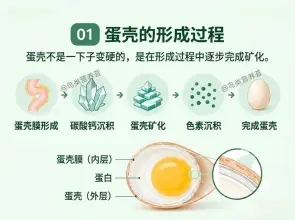
When buying eggs, their shells do not all look the same. Some feel rough, some have marks on the surface that look like water stains, and some have small spots; thin-shelled and s…

Results for “price” · Farming knowledge · Newest first
When buying eggs, their shells do not all look the same. Some feel rough, some have marks on the surface that look like water stains, and some have small spots; thin-shelled and s…
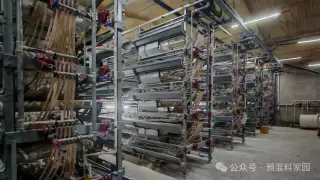
After hens get through the hot summer, their physical condition declines somewhat. As autumn arrives and the weather gradually cools, the feed intake of laying flocks gradually in…
Soybean meal is the main protein source in livestock feed, but price fluctuations make overreliance costly. Mixed meals like rapeseed, cotton, and sunflower meal offer potential a…
People have become accustomed to using all-corn-and-soybean-meal diets for laying hens. This is due not only to the long-term influence of a certain country's soybean association,…
In September, as autumn turns golden, new corn gradually comes onto the market. With its affordable price and fresh aroma, many livestock and poultry farmers want to start using t…
I. Targets for Layer Pullets: Uniformity, Standard Body Weight, and Shank Length The three key indicators in pullet management are average body weight, uniformity, and meeting the…
Hoofprint Biome is developing a feed additive with enzymes and probiotics intended to reduce methane emissions by influencing cows’ microbiomes. The project is led by Kathryn Polk…
In autumn, older hens begin to molt and young hens begin laying. This is the season for adjusting the flock and selecting breeding hens. The flock should be adjusted and assessed …
Misconception one: Advanced equipment is always the best A hot-blast stove has a temperature control device, but because boiler operators have limited education and cannot use it …
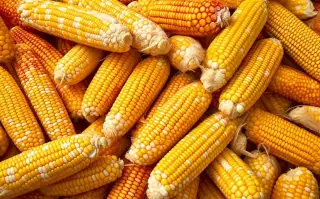
In autumn, newly harvested corn gradually comes onto the market. Because of its price advantage, many laying-hen farmers have started replacing old corn with new corn. However, ma…
For many years, demand for native chickens has exceeded supply, and prices have been favorable. Rural native chicken farming has therefore enjoyed strong production and sales, bec…
The figures are alarming: industry statistics show that more than 75% of sows in large-scale pig farms have varying degrees of insufficient milk. This directly leads to low piglet…
In the pig farming industry, sows are the “core assets” of a pig farm, and their production performance directly determines the farm’s capacity, costs, and economic returns. Empir…
Today, poultry farmers, let’s talk about a painful subject—eggshell quality. When eggshell quality declines, egg traders lower their prices, breakage rates soar, the eggs look les…
Consumers cling to the myth that brown eggs are more natural than those with white shells, and are therefore usually more expensive to buy. It turns out that nothing could be furt…
Domestic and international soybean complex prices have fallen in recent days, after rising significantly in September. According to Cepea, in the international market, pressure ca…
Dairy producers faced significant turmoil in 2025/26, but a strong first half of the year meant they managed to secure record margins before markets turned south. Kingshay’s annua…
Payments to piglet producers in the Initiative Tierwohl (ITW) through the Piglet Fund will be extended until no later than 30 April 2027. This means that the partners from agricul…
Ahead of the Agriculture and Fisheries (AGRIFISH) Council on 28–29 September, FEFAC has written to the Irish EU Council Presidency chair for Agriculture, Minister Martin Heydon, c…