
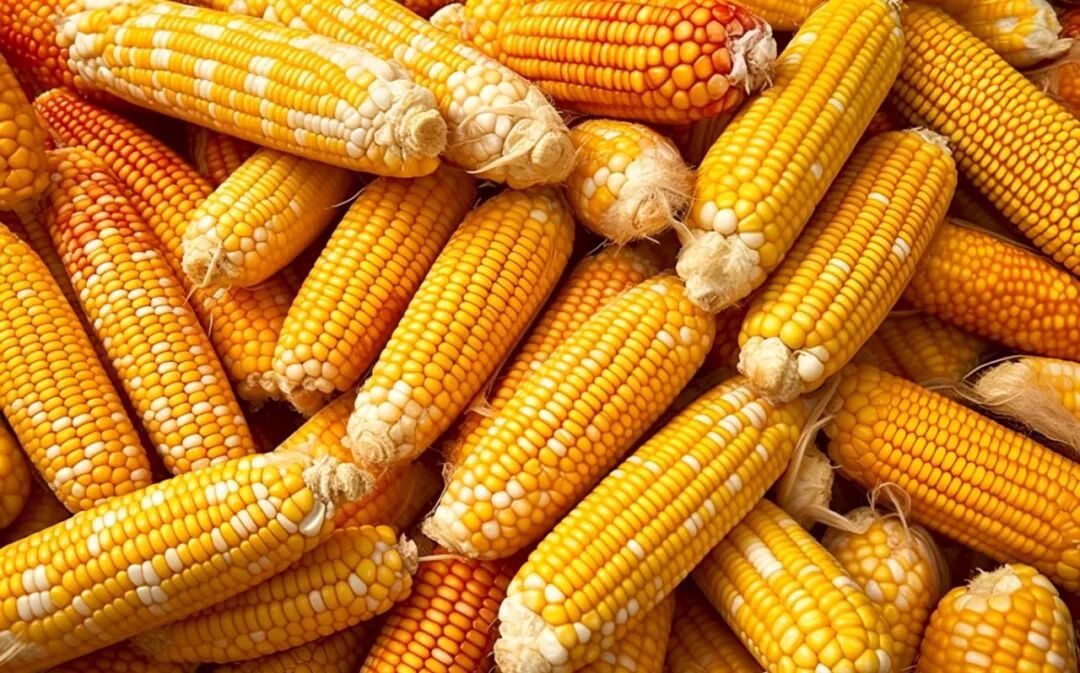
In autumn, newly harvested corn gradually comes onto the market. Because of its price advantage, many laying-hen farmers have started replacing old corn with new corn. However, many farms have encountered “new corn syndrome”: flocks frequently develop loose droppings and pass feed undigested, egg production rates decline, and the feed-to-egg ratio rises sharply. In fact, the root of the problem is not the corn itself, but that the special physical and chemical properties of new corn have not received sufficient attention. With the right scientific methods, farms can get through the feed transition smoothly, maintain production, and reduce costs.
I. Why problems are more likely to occur in flocks fed new corn
High moisture content. The moisture content of newly harvested corn is generally above 20%, far exceeding the safe standard of 14%. High moisture dilutes the nutrient concentration of feed and also creates favorable conditions for pathogens such as E. coli and molds to proliferate, directly causing intestinal problems.
High resistant starch content. New corn is in the post-maturation period and contains more incompletely matured resistant starch, which chickens' digestive systems have difficulty breaking down effectively. After this starch enters the intestines, it is fermented by microorganisms, producing large amounts of gas and causing an imbalance in the intestinal flora and diarrhea.
High risk of mold contamination. If new corn is not dried promptly or is stored improperly, it can readily develop toxins such as aflatoxin, damaging chickens' liver and kidneys and the mucous membranes of their digestive tracts, and impairing the immune system.
II. Scientific Feeding Plan for New Corn
Quality Control and Aging Storage. Before use, new corn must be sun-dried or mechanically dried to reduce its moisture content to below 14%. It must be strictly inspected upon receipt, and corn with moldy kernels exceeding the permitted limit must be rejected. Store it in a well-ventilated, dry warehouse, elevated off the floor. Most importantly, new corn must undergo a post-maturation aging period of 1–2 months so that the resistant starch is fully converted and its nutritional properties become stable before it is put to use.
Adopt a “transitional replacement” approach to avoid intestinal stress. Never replace old-crop corn entirely with new-crop corn all at once; the flock must be given time to adapt. A gradual, phased transition is recommended: new-crop corn should make up 20% in the first week, increase to 40% in the second week, and rise to 60% in the third week. Once no abnormalities are observed in feed intake, droppings, or egg production, gradually complete the replacement. New-corn conversion enzymes can also be added to improve the utilization of new-crop corn.
Adjust the feed formulation precisely to optimize digestion and absorption. New-crop corn has a higher moisture content and lower energy content. Replacing old-crop corn entirely with it all at once can easily lead to insufficient energy intake and intestinal stress in the flock (such as diarrhea and feed passage). When adjusting the formulation, compensate for energy based on the actual moisture content of the new-crop corn (using 14% as the reference); at the same time, moderately increase the proportion of protein ingredients such as soybean meal to ensure nutritional balance.
Although new-crop corn is affordable, using it incorrectly can increase farming costs instead. Strictly control quality, transition scientifically, and adjust the feed formulation precisely in daily practice to fully benefit from the cost advantages of new-crop corn and make farming more worry-free and efficient.