
When vaccinating a flock, whether to add antibiotics to the vaccine has long been a subject of debate.
The origins of antibiotic use in vaccines can be summarized in two key areas:
Preventing contamination during production
During vaccine preparation (such as egg or cell culture), small amounts of antibiotics (such as penicillin and streptomycin) were added in the production process in the early days to prevent bacterial contamination from affecting vaccine quality. This practice dates back to the widespread use of antibiotics in the 20s of the 40th century and was a standard measure in vaccine production processes.
Proactive use for disease prevention and control
For specific animal diseases (such as Salmonella pullorum), the livestock industry found that adding antibiotics directly to vaccines could improve disease prevention. A typical example was around 2000 years ago, when overseas companies developed cephalosporin lyophilized powder for injection to be used in combination with Marek’s disease vaccine. The antibiotic was delivered via the vaccine carrier, significantly reducing chick mortality within 7 days. This approach was later adopted domestically and has continued to be used to this day.
Different views on adding antibiotics to oil-based vaccines
I. Arguments in favor:
1, reduced injection complications
Reduce injection-site swelling and inflammation caused by vaccine adjuvants, especially with highly reactogenic vaccines such as oil-based vaccines for rhinitis.
Block vertical transmission of pathogens (such as Salmonella) and improve chick survival rates.
2, cost and efficiency optimization
Save the labor and time required for separate antibiotic injections, achieving “two effects with one injection.”
Rapidly achieve therapeutic blood concentrations, avoiding waste caused by poor intestinal absorption when administering medication through drinking water.
3, compliance of early medication use
Using antibiotics during the pullet stage will not cause residues in meat and complies with the phased requirements of the antibiotic prohibition policy.
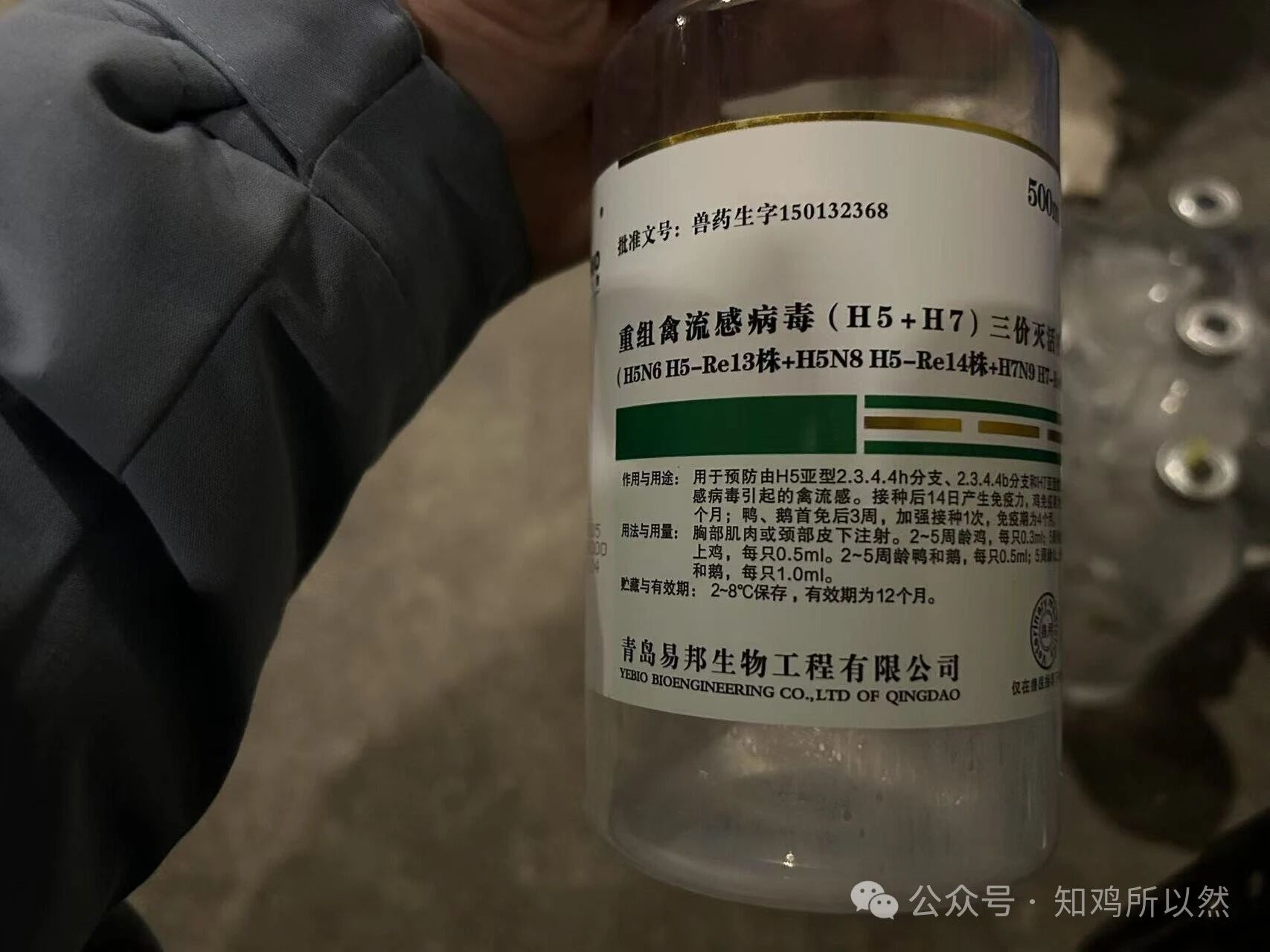
II. Reasons given by the opposing side:
1, Policy compliance risks
The national antibiotic prohibition policy explicitly prohibits the use of antibiotics in poultry during the laying period. Mixing antibiotics into oil-based vaccines for laying hens has gradually declined, with a shift toward traditional Chinese medicine or vitamins as alternatives.
2, Antimicrobial resistance and safety concerns
Long-term abuse may accelerate the development of bacterial resistance, reducing the effectiveness of antibiotics.
Improper mixing processes may lead to uneven distribution of antibiotics, affecting efficacy or causing localized irritation.
3, Debate over immune interference
Some studies suggest that antibiotics may interfere with vaccine immunogenicity; dosage and compatibility should be rigorously evaluated.

Three. Recommendations on whether to add
1, Clearly define the applicable scenarios
Pullets
For highly reactive vaccines such as oil-emulsion vaccines for rhinitis, suspension-type cefalosporins (such as cefquinome sulfate) may be prioritized to ensure uniform mixing with the oil vaccine.
Laying hens
Do not mix antibiotics with vaccines; instead, use immunostimulants (Astragalus polysaccharides, multivitamins) to reduce stress.
2, Preferred dosage forms and processes
Freeze-dried powder injections (such as ceftiofur sodium) have a lower cost, but complete dissolution must be ensured; suspensions cost more, but provide more stable mixing.
Refer to the technical specifications in relevant patents (for example, control the antibiotic dosage at 250 ml of vaccine per 0.25-1 grams) to avoid adding too much.
3, monitoring and compliance management
Regularly monitor the flock’s reactions after vaccine injection and assess the actual effects and side effects of the antibiotics.
Follow policy developments and prioritize non-antibiotic alternatives (such as microbial preparations) in response to the trend toward banning antibiotics.
Summary: The practice of adding antibiotics to oil-based vaccines originated from early disease prevention and control needs and cost optimization. Its advantages and risks coexist. In practice, decisions should be made based on policy requirements, flock status, and vaccine type, with priority given to medication safety and compliance.