
Have you ever encountered this strange situation: the same batch of chickens, the same vaccination schedule, and the same feed formula, yet the neighboring poultry house is unscathed while your flock keeps running into problems every so often? The chickens have been vaccinated and their antibody levels tested, but as soon as the seasons change, they are moved between groups, or a cold spell hits, the flock suddenly goes downhill. You think the vaccine is no good, so you switch suppliers; you think they need more medication, so you add health supplements. After all that, the next batch is still the same.
The problem may well not be whether their “immunity is strong enough,” but a dimension that the vast majority of poultry farmers overlook: whether the immune system is resilient.
Immune resilience does not mean keeping the immune system in a state of “full throttle” all the time—that would actually be a disaster. Persistent overactivation depletes immune resources and damages the body’s own tissues, causing chickens to waste energy that should go toward growth on ineffective inflammation. The essence of immune resilience is being able to ramp up quickly when needed, wind down cleanly when it is time to stop, and recover to baseline after stress or infection—perhaps even becoming more alert than before. It measures the immune system’s ability to “ramp up and rein itself in,” not its “brute strength.”
This distinction determines whether the chickens in your poultry house “collapse as soon as they’re vaccinated” or “can still get back on their feet afterward.”
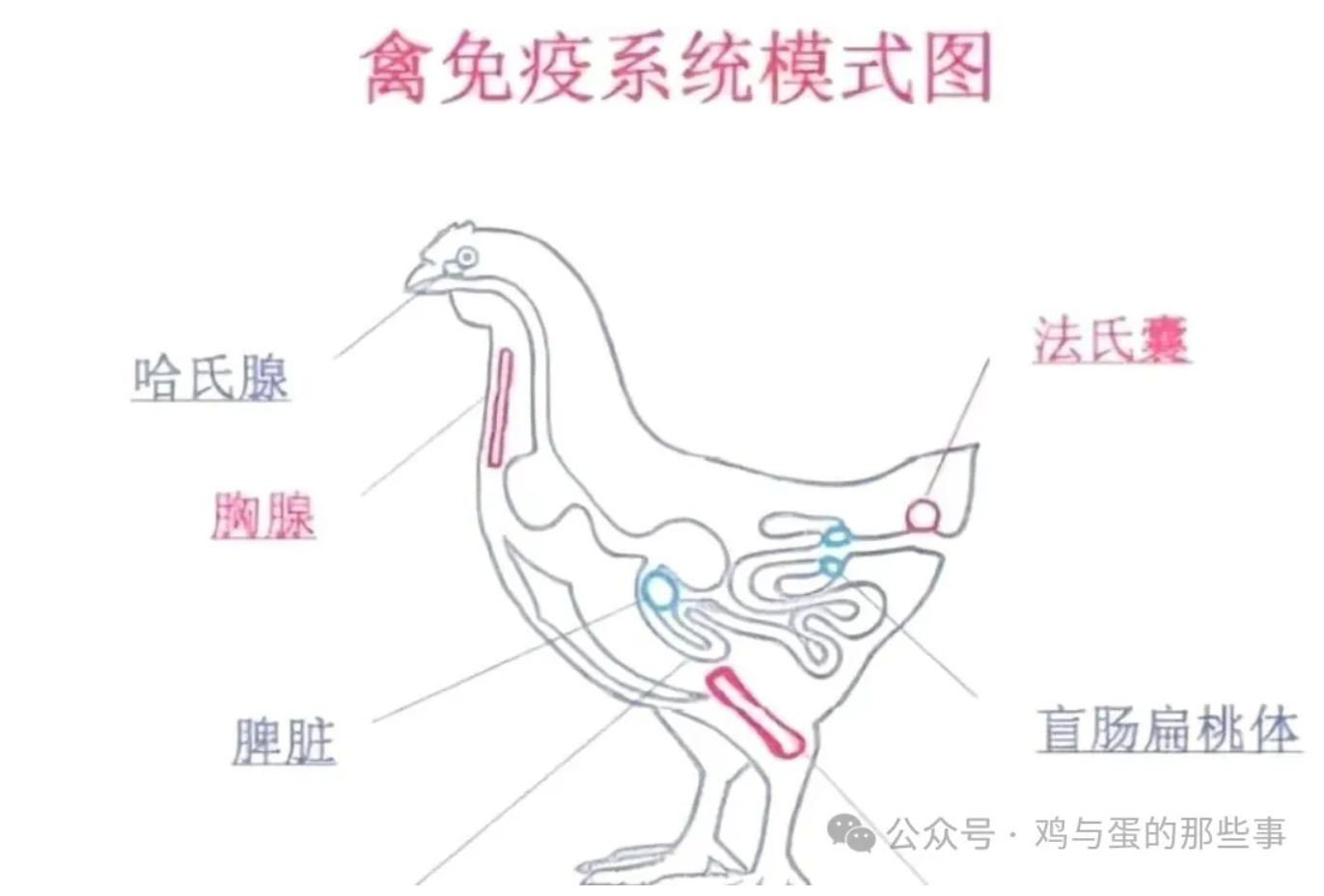
Pillar One: “Teach” innate immunity instead of only “issuing orders” to adaptive immunity
The immune logic familiar to us poultry farmers revolves almost entirely around vaccines: introduce an antigen, produce antibodies, and the next time a pathogen appears, the antibodies neutralize it. This is adaptive immunity: precise, but delayed, and often a step behind pathogens that mutate quickly.
The first layer of resilient immunity lies within innate immunity. Research over the past two years has brought one concept to the fore: trained immunity. Put simply, after chicken innate immune cells—such as macrophages and natural killer cells—are exposed to certain microbial components or metabolites, they undergo epigenetic and metabolic reprogramming. The next time they encounter a similar threat, their response is faster, stronger, and more orderly. Unlike antibodies, which “remember a particular enemy,” this raises the alert level of the entire innate defense system, so that when chickens face an unfamiliar pathogen, their first line of defense is not overwhelmed at the first contact.
What does this mean for poultry farmers? It means moving the starting point of immune management earlier. Don’t wait until vaccination to start thinking about immunity. Instead, during early brooding, while the gut microbiota is still being “installed,” provide the innate immune system with the right “training materials.” Yeast-derived immune-enhancing substances, specific probiotic strains, and appropriate early microbial exposure all help “teach” the innate immune system. The Hailan Gray laying-hen case in Hebei followed exactly this approach: using yeast-based immune products alongside an “immunity burden reduction” plan to reduce unnecessary injection stress and direct resources toward foundational immune training. As a result, the flock was raised to nearly 600 days of age, while the laying rate remained above 86% and daily mortality and culling were kept to three or four birds. This was not achieved by relying on a single “miracle drug”; it was the compounding effect of immune resilience over a long production cycle.
The second pillar: The gut is not a digestive organ; it is the “command center” of the immune system
If you still think the gut’s main job is to absorb nutrients, then immune resilience is out of reach. The gut mucosal immune system accounts for the largest proportion of immune cells in poultry. More importantly, metabolites produced by the gut microbiota directly participate in “programming” immune responses.
A review from 2025 clearly explains this pathway: microbiota-derived metabolites such as short-chain fatty acids, secondary bile acids, and amino acid breakdown products profoundly affect poultry disease resistance and vaccine responses by regulating gut barrier integrity, energy allocation, and immune cell activation. Butyrate plays a particularly prominent role: it is not only a major energy source for intestinal epithelial cells, but also promotes tight junction protein expression and reduces pro-inflammatory signals, helping restore the gut from a “leaky, inflamed site” to a “tight defensive front line.”
In practice, immune problems in many poultry farms are actually downstream reflections of gut problems. Subclinical coccidial infections, repeated low-level outbreaks of necrotic enteritis, and microbial imbalances caused by fluctuations in feed ingredients all continuously consume the gut’s immune budget. At that point, no matter how many vitamins you add or how many vaccine shots you give, the results will be diminished—because the command center is leaking water.
Strategies for stabilizing gut immunity do not need to be fancy. The core value of combining probiotics with synbiotics is not to “kill pathogens,” but to continuously supply metabolites such as butyrate and maintain the “standby state” of gut immunity. When choosing a product, do not look only at the names of the microbial strains; check whether there is clear evidence of metabolite production and data on the gut barrier. A strain that can increase the villus-to-crypt ratio and upregulate tight junction proteins in the laboratory may be able to support the foundation of immune resilience in the poultry house.
The third pillar: Do not let immunosuppressive factors “steal” resilience
Resilience has a cruel characteristic: it takes a long time to build but can be destroyed very quickly. Mycotoxins are the most typical “resilience thieves.”
In the past, we assessed the risk of mycotoxins by looking for “symptoms”—diarrhea, regurgitation of water, and pale liver. But reviews from the past two years repeatedly point to a more hidden fact: subclinical exposure to mycotoxins can impair vaccine responses and the intestinal immune barrier even when the flock appears completely normal. Deoxynivalenol and fumonisins are already difficult to manage with conventional adsorbents. Their damage to intestinal tight junctions and suppression of immune cell function happen quietly under the cover of “no symptoms.” By the time you notice greater variability in Newcastle disease antibody levels, bursal atrophy, or a flock unable to withstand even an ordinary respiratory disease outbreak, much of its resilience has already been depleted.
This means mycotoxin management must shift from “treating the problem when symptoms appear” to “getting ahead of the risk.” An effective strategy cannot rely on a single adsorbent; it requires a multimodal combination of adsorption, enzymatic degradation, probiotics, and plant-based active ingredients. Monitoring mycotoxins in feed ingredients should also become routine, rather than something done only after a problem occurs. Heat stress is another killer of resilience—it directly causes immune organ atrophy and reduces the efficiency of immune responses. A study from 2026 showed that combined supplementation with fermented orange peel and nano-selenium can restore the relative weight of the bursa of Fabricius in heat-stressed broilers, raise IgA and IgG levels, and shift immune status in an anti-inflammatory direction. The synergy between selenium and vitamin E points to the same conclusion across multiple studies: they do not protect the “strength of immunity,” but rather the ability of immune cells to withstand oxidative stress without being severely damaged—and that is precisely the material basis of resilience.
Putting it into practice in your poultry house: a practical checklist for immune resilience
Now that we’ve covered the concept, here’s what to do. Break it down by stage:
From brooding through the rearing period, the core task is “training,” not “fattening.” Prioritize yeast-based immune products and the establishment of early gut microbiota, and minimize unnecessary injection stress so innate immunity can complete its “training” during a relatively clean window. The immune resilience saved at this stage will be returned to you many times over during later production."
During the production period, the core task is to “protect the gut and maintain stress tolerance.” Probiotics and butyrate-based products should be used consistently, not added only “when diarrhea occurs.” At the same time, manage the supply of vitamin E, selenium, and zinc precisely against the “physiological requirement threshold,” rather than adding them blindly—excessive supplementation can also suppress immunity."
Throughout the entire cycle, treat mycotoxin and stress management as part of immune management, not as two separate things. Raw material monitoring, multimodal detoxification plans, and antioxidant support during heat-stress windows do not pay off in “how many chickens died today,” but in “whether your chickens can still cope on their own when the next wave of stress comes.”"
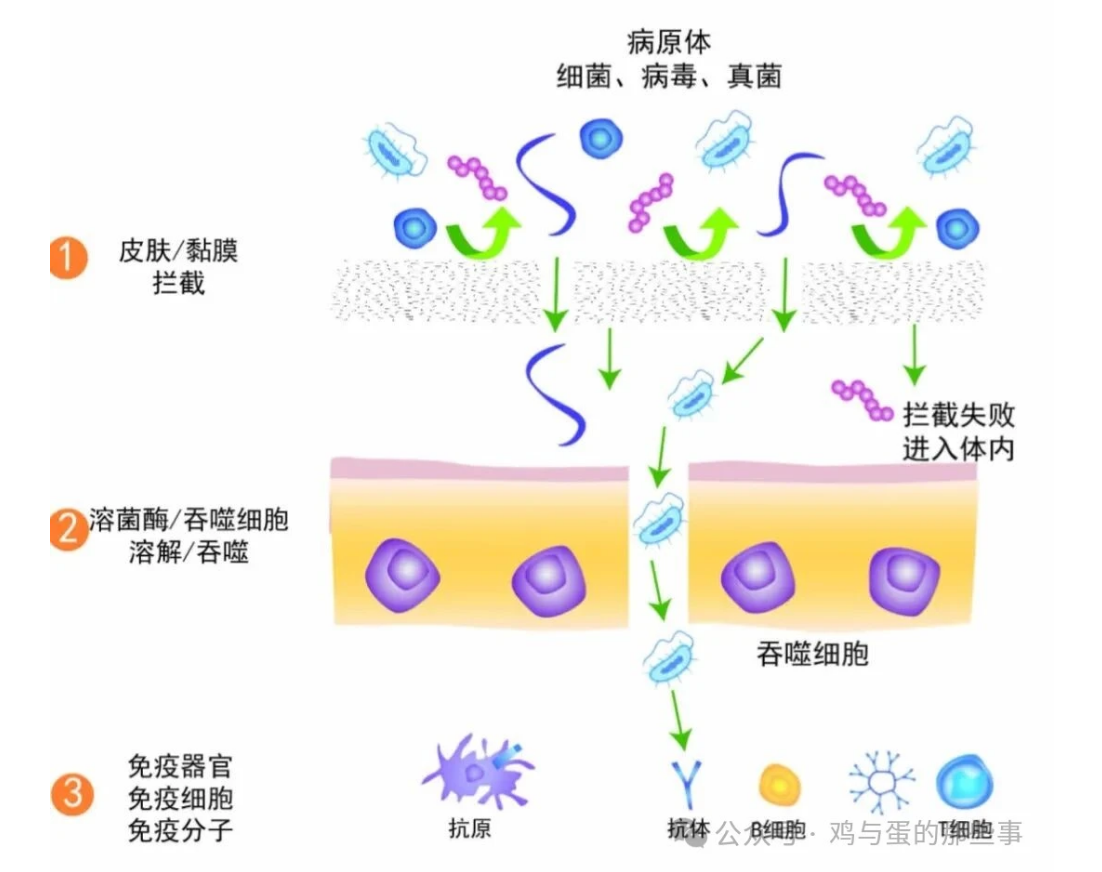
Resilient immunity is not a product you can “buy.” It is a system state: innate immunity has been trained, gut metabolites are continuously supplied, and immunosuppressive factors are kept below the threshold. If any one of the three is missing, resilience has a weak link. You do not need to do everything to perfection, but you need to know where the weakest board in your poultry house is—because what determines whether the flock can get back on its feet after the next shock is never the longest board, but the shortest one."