
With the rapid development of the poultry industry, viral arthritis in yellow-feather broiler chickens (hereinafter referred to as the disease) has become an increasingly prominent issue. Recently, multiple cases of the disease have occurred in broiler chickens in the two Guangxi and Guangdong regions. Onset begins at around 10 days of age. Secondary infections, such as Mycoplasma synoviae, are more likely to occur later, making leg problems more pronounced and culling rates high. In addition to causing leg problems, the disease also affects growth and development, reduces feed conversion, increases treatment costs, and significantly affects the economic benefits of poultry farms.
I. Case study
1. Basic information: A medium-growth broiler farm in western Guangdong
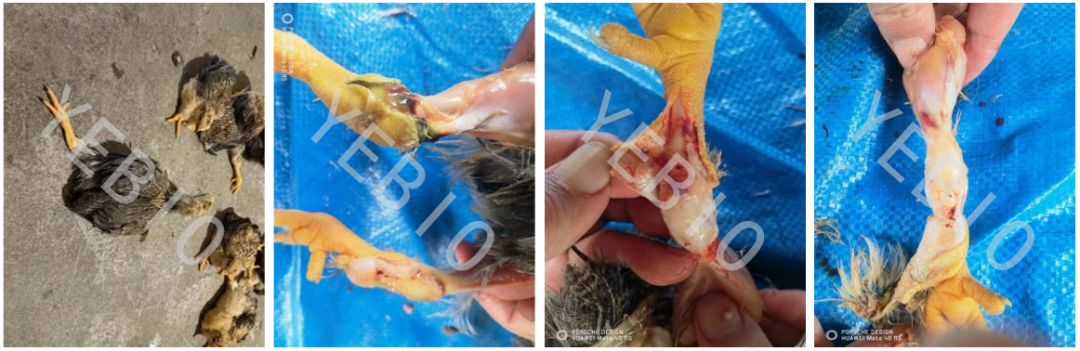
2. Clinical presentation: In multiple flocks on the farm, chickens began to show lameness, a dog-sitting posture, or one leg held out to the side from after 10 days of age. The number of affected birds gradually increased as they grew older, and by market age, 3%-6% of the chickens could be identified as having leg problems. Feed consumption in the flock increased slowly, the proportion of small chickens increased at market age, and the feed-to-meat ratio rose by more than 0.2. An investigation of chicks from the same batch found that the incidence of leg problems was higher in the cage-rearing system than in the floor-rearing system.
3. Necropsy findings: Clear tendon hemorrhages and subcutaneous hemorrhages around the hock joints caused by prolonged crouching could be observed, along with inflammatory exudate in the tendons. Some chickens developed secondary Mycoplasma synoviae infection later, with swollen joints and yellow purulent discharge in the joint cavities.
4. Laboratory testing

II. Main causes of viral arthritis in yellow-feather broiler chickens
1. Weak immune awareness: some breeder farms do not vaccinate against the disease, and do not provide chicks with high levels of maternal antibodies. In addition, infection in breeder stock carries a risk of vertical transmission.
2. There are many circulating strains of the disease, and they mutate readily. Traditional 1-type vaccines provide weaker protection against circulating variant strains.
3. The viral arthritis virus has some resistance to the environment and common disinfectants. Inadequate cleaning and disinfection at hatcheries or brooding facilities can lead to early infection and successive outbreaks in multiple batches of commercial broilers.
4. The gradual increase in cage-rearing systems for yellow-feathered broilers increases the likelihood of leg problems. In addition, higher stocking density and faster growth rates in broilers increase the severity of leg problems.
III. Disease Prevention and Control Plan for Yellow-Feathered Broilers
1. Manage sourcing effectively
Avoid sourcing chicks from positive flocks and ensure that chicks have good levels of maternal antibodies.
2. Strengthen management and biosecurity measures
① Properly clean and disinfect hatcheries, brooding houses and other poultry houses to reduce the risk of infection.
② Use an all-in, all-out rearing system on the farm wherever possible. Avoid raising broilers of different ages together to reduce the risk of cross-infection.
③ Reduce stocking density and pay attention to caked litter in poultry houses.
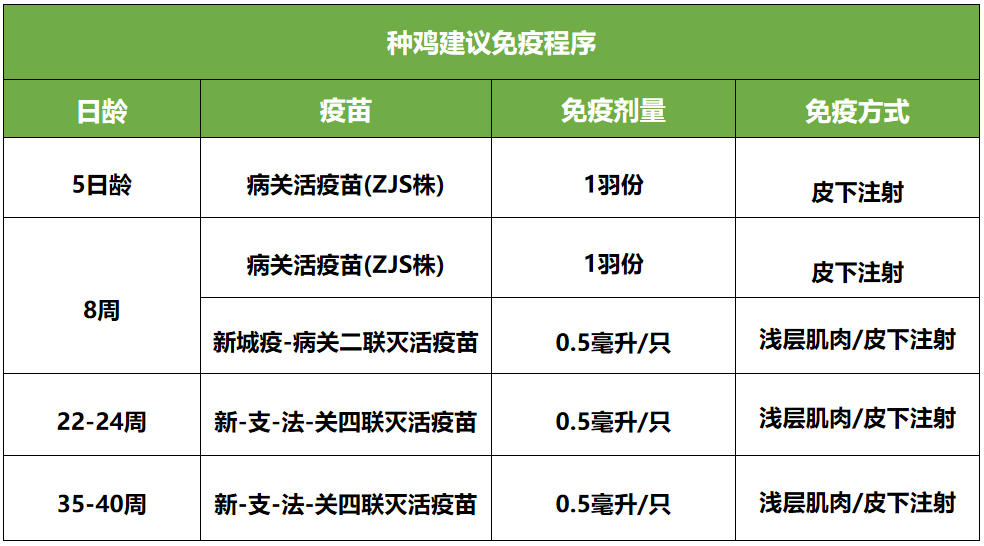
3. Scientific immunization of breeder chickens
Given the current prevalence of variant strains, vaccines with broad immune coverage and strong targeting should be selected to ensure effective immunization.
Before breeder chickens start laying, a recommended immunization combination is 2 live and 2 inactivated. Provide a booster promptly after the onset of laying to ensure protective immunity and adequate maternal antibody levels in the chicks.
In summary, controlling viral arthritis in yellow-feathered broilers requires a comprehensive approach involving sourcing, management and immunization to effectively reduce its occurrence and impact.