
Recently, variable weather and large day–night temperature differences have led to more cases of nephropathogenic IB in some areas. All farms should strengthen prevention and control measures to reduce economic losses.
I. Pathogen and epidemiological characteristics
Nephropathogenic infectious bronchitis is an acute, highly contagious disease caused by coronavirus (IBV), primarily affecting the kidneys of poultry. The virus spreads through the respiratory and digestive tracts. Morbidity and mortality vary depending on the strain, the flock’s immunity, and management conditions. Chickens older than 2 weeks are susceptible, and mortality is relatively high after infection.
II. Clinical signs and pathological changes
1. Clinical signs
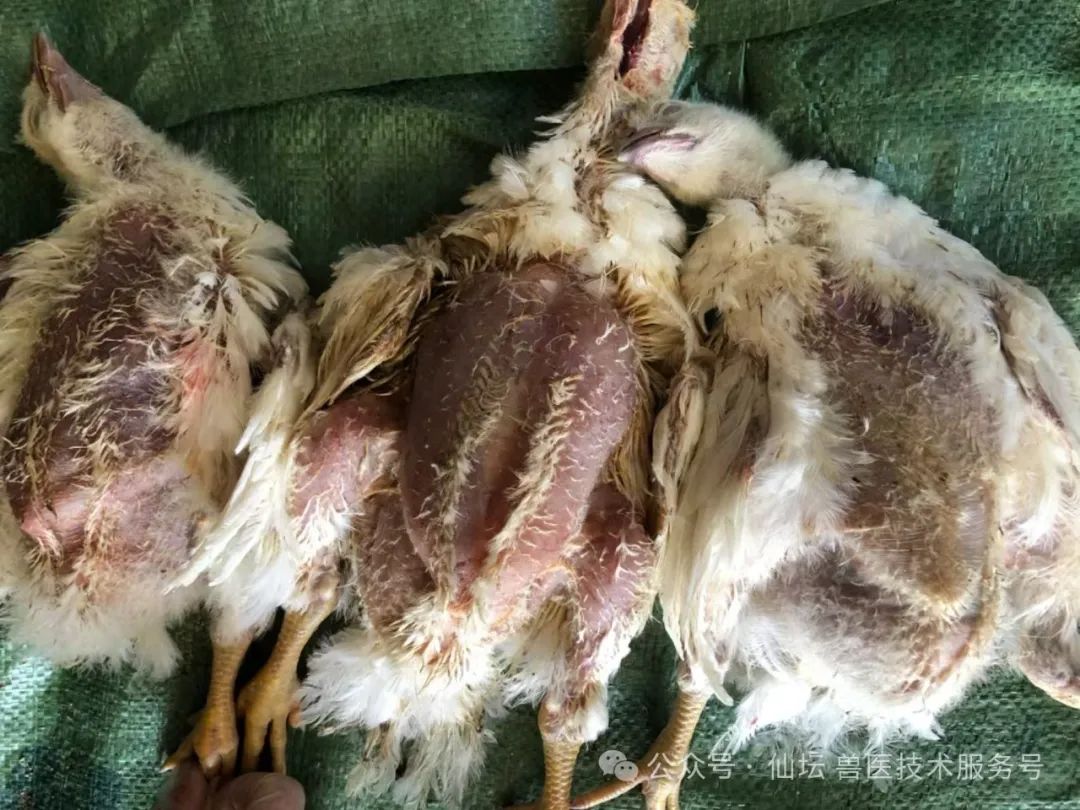
The flock becomes depressed and has ruffled feathers, and passes loose white droppings (containing urates). Respiratory signs appear in the flock and spread rapidly throughout it within 2-3 days. Water consumption surges. In the later stages, birds die from kidney failure. Dead birds are severely dehydrated, and their entire bodies have a “mummified” appearance, with the skin tightly adhering to the muscles and unable to be lifted.

2. Necropsy findings
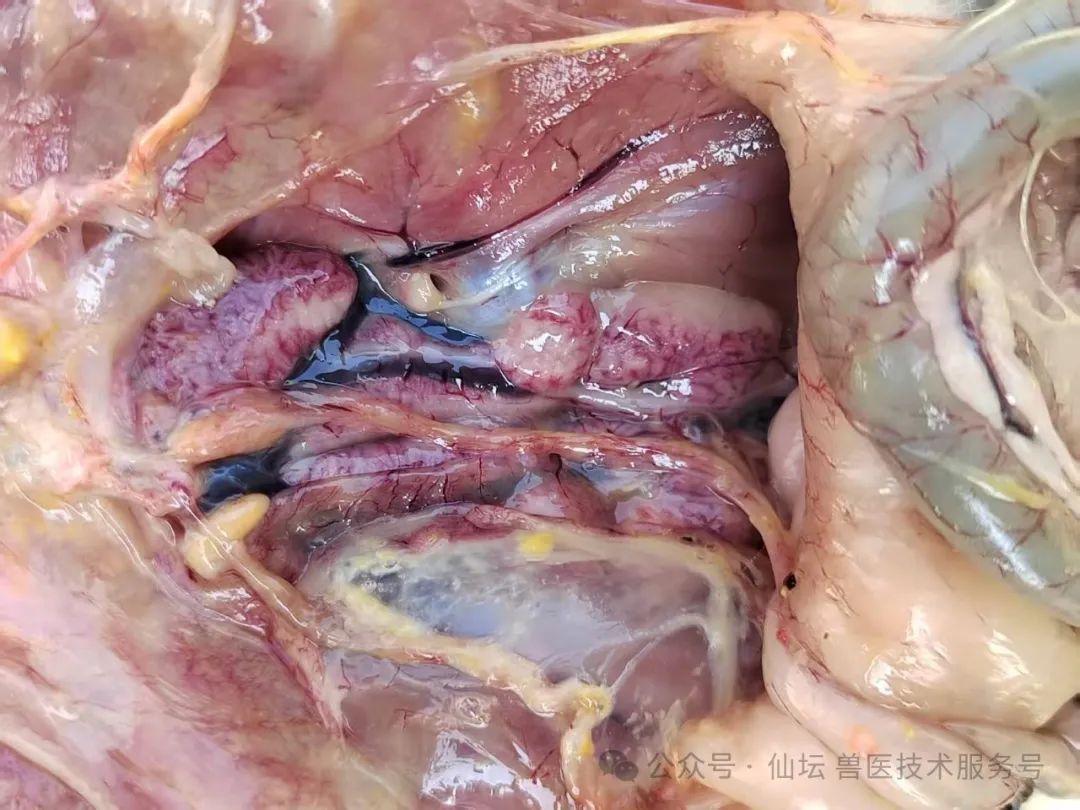
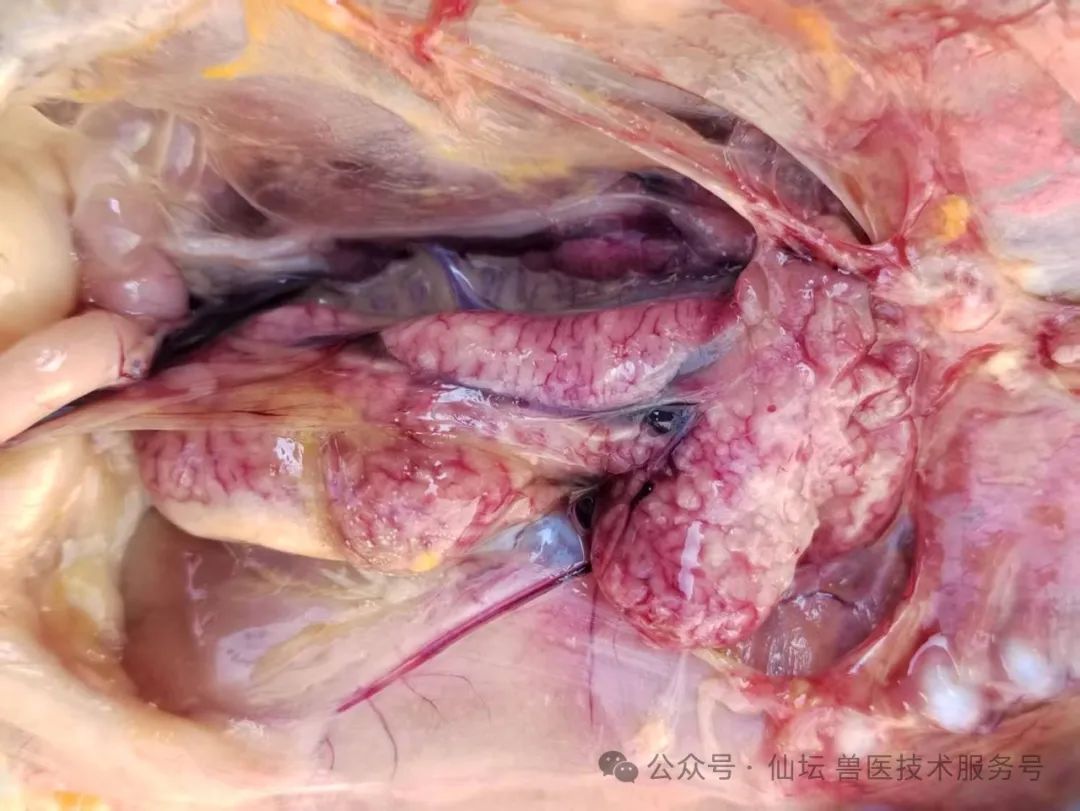
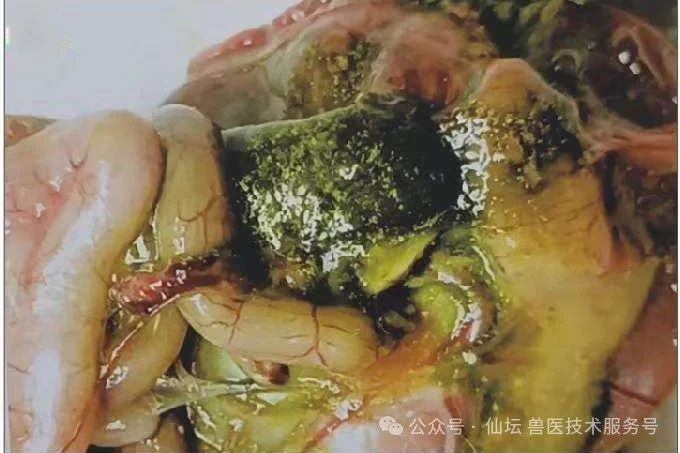
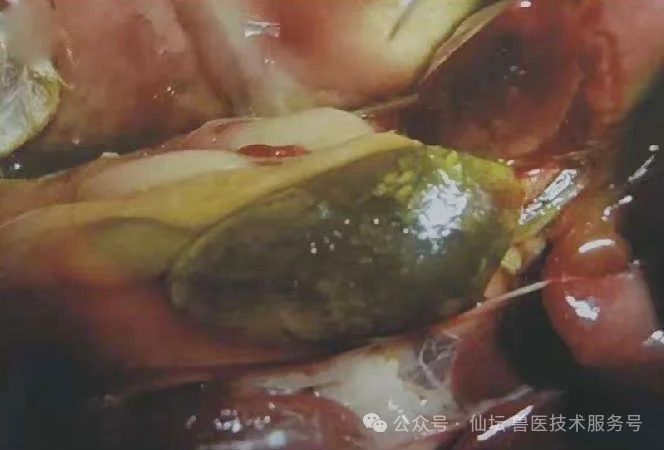
The kidneys are enlarged and pale, and the ureters are filled with white urates, showing the typical lesion of “mottled kidney”; urates are deposited in the bile; some cases may show increased tracheal mucus or airsacculitis.
Three. Prevention and Control Measures
1. Emergency Measures
(1)Immediately isolate the affected chicken house and cull severely affected birds.
(2)Raise the temperature in the house appropriately to reduce cold stress in the flock.
(3)Observe the flock carefully to detect problems early and treat them early. The use of traditional Chinese medicine to protect the liver and kidneys is recommended. Traditional Chinese medicine for clearing the kidneys should be administered for a long time to promote the excretion of urates.
2. Strengthen Feeding Management
(1)Seal the chicken house properly to prevent drafts from blowing directly onto the flock and causing cold stress.
(2) Reduce stress from separating into pens. Aim to separate into pens no more than twice, raise the house temperature appropriately, and keep the perceived temperature close to that before separation to prevent cold stress.
(3) During brief high temperatures at midday, do not over-ventilate.
3. Act quickly on biosecurity.
(1) Disinfection measures during the occupancy period
Spray-disinfect all outside visitors and vehicles. Standardized farm complexes should be equipped with disinfection passages; ordinary farms should implement the “two gates, one spray” disinfection measure. Place dead chickens together at the far end of the poultry house. After sending them for harmless disposal, immediately spray-disinfect the area. After processing manure and other waste, immediately spray-disinfect the area.
(2) Disinfection measures during the empty-house period
The Disease Control Center of the Quality Control Technology Division has formulated the “Empty-House Period Disinfection Procedure” according to disease prevention and control requirements. Farms should carry out strict disinfection in accordance with the procedure.