
Fowlpox is an acute infectious disease caused by a poxvirus. Chickens of any age can be infected. Fowlpox has a considerable impact on production and chicken growth; once it occurs, it affects production performance and growth, significantly affecting the economic benefits of layer farming. Healthy chickens become infected through contact with sick chickens. Mosquitoes and wild birds are both vectors of this disease. Although fowlpox is caused by a virus, it spreads quite slowly.
Clinically, fowlpox has three forms.
First, the cutaneous form
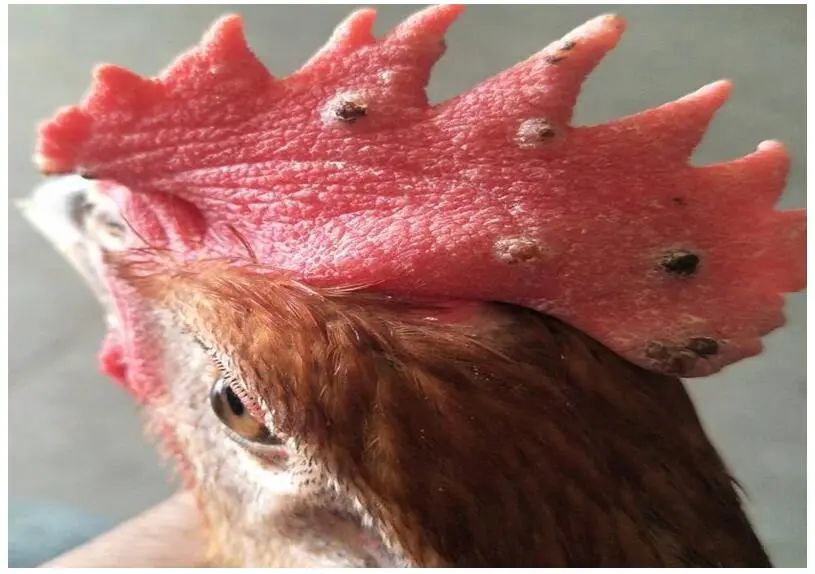
Affected chickens appear lethargic and have a poor appetite. Gray nodules develop on areas with no feathers or sparse feathers, such as the comb, eyelids, around the cloaca, abdomen, and legs. The nodules gradually enlarge and merge with nearby nodules, slowly forming large, dry, rough, brownish crusts that protrude noticeably from the skin. If the eyes are affected, the chickens may have watery eyes and light sensitivity, and may even develop eyelid adhesions or blindness.
The cutaneous form generally causes mild symptoms and does not present systemic symptoms. After 3~4 weeks, the scabs fall off, leaving smooth, grayish-white scars. Infection in laying hens can lead to a decline in egg production or cessation of laying.
Two, diphtheritic form
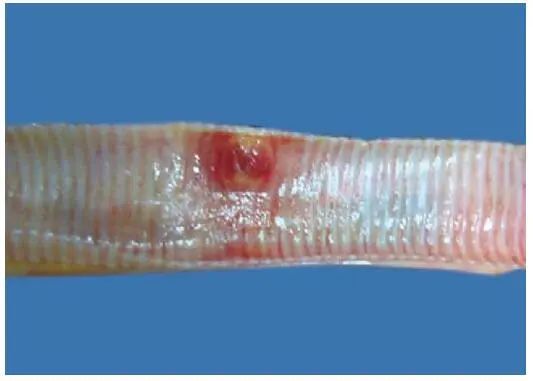
In the early stages, affected chickens are listless and have a reduced appetite and symptoms of rhinitis, with yellow purulent fluid flowing from the nose; 2–3 days later, lesions appear on the mucous membranes of the mouth, pharynx, esophagus, trachea, and other areas. Small yellowish-white nodules appear on the mucosal surfaces and gradually enlarge and merge with one another. A yellowish-white, cheese-like pseudomembrane, formed from coagulated necrotic mucosal tissue and inflammatory exudate, covers the mucosal surfaces. The pseudomembrane continues to thicken and expand, obstructing the pharynx and trachea and causing difficulty breathing. The chickens make strange cries and then die of suffocation. The mortality rate can reach 50%.
Three. Mixed type
Chickens with the mixed type show symptoms of both the skin form and the diphtheritic form. Some may also develop septicemia.
The most direct and effective measure to prevent this disease is vaccination. The commonly used vaccine is the fowlpox live attenuated vaccine. The vaccination schedule is as follows:
Use the needle-prick method, inserting the needle subcutaneously at an area without blood vessels on the inner side of the chicken’s wing. Chicks aged 6 days or older should receive a 200-fold dilution; those aged 20 days or older should receive a 100-fold dilution; and those aged 30 days or older should receive a 50-fold dilution. Vaccinate with 1 needles of vaccine at ages 20–35 days and 90–110 days, respectively. After 3-4 days, slight redness and swelling, blisters, and papules may be seen at the vaccination site on the chicken, indicating successful vaccination. A scab then forms and falls off after 2–3 weeks.
Drug control and prevention for fowlpox:
1, for cutaneous fowlpox, wash the affected area with a 0.01% potassium permanganate solution and remove the scabs, then apply gentian violet or 1% iodine glycerin to disinfect; for mucosal fowlpox, first use forceps to remove the false membrane in the throat or trachea to prevent the sick chicken from suffocating, then rinse with a 0.01% potassium permanganate solution, followed by applying cod liver oil or iodine glycerin. If pox lesions are present in the eyes, remove the cheesy material from the eyes, disinfect with a 2% boric acid solution, then administer eye drops.
2, administer an emergency high-dose vaccination using live fowlpox vaccine (quail-adapted attenuated strain); also remove and isolate sick chickens, and thoroughly disinfect the sick chickens’ housing, grazing areas, and farming equipment.
3, alternatively, administer Qingwen Jiedu tablets orally to sick chickens, and provide interferon in drinking water to the larger flock for 3-5 days. To prevent secondary infections, broad-spectrum antibiotics can be added to feed or drinking water; administer amoxicillin, enrofloxacin, or similar antibiotics for 5-7 days.
4, finally, vitamin A (or a multivitamin supplement), cod liver oil, etc. can be added to the feed. This helps tissues and mucous membranes regenerate and promotes wound healing. It can also stimulate appetite, strengthen the body, and improve the body's resistance to viruses.
The most effective way to prevent fowlpox is for the farm to implement scientific immunization and prevention measures, ensure that its biosecurity system is properly put into practice, and carry out routine sanitation and disinfection thoroughly.