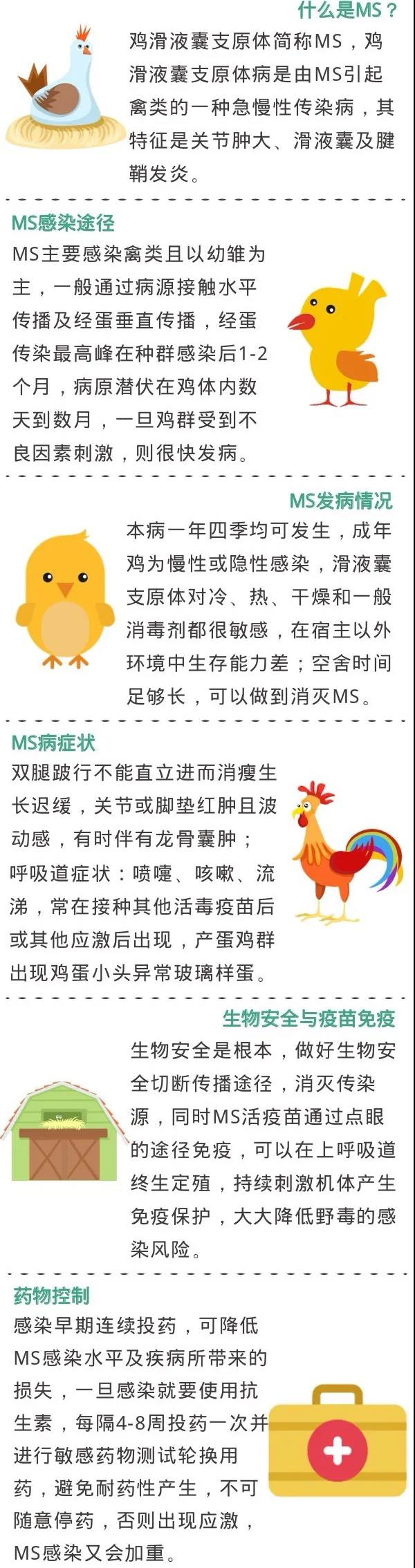
Mycoplasma synoviae in chickens
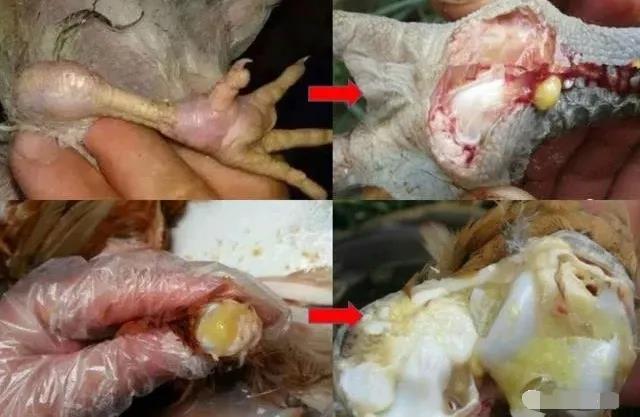
Mycoplasma synoviae (MS), also known as synovial sac mycoplasma, synovial membrane mycoplasma, infectious synovitis, and infectious synovitis, is an acute or chronic infectious disease in chickens and turkeys. Its main symptoms are swollen joints, pronounced inflammation of the synovial sacs and tendon sheaths, a prolonged course, and frequent recurrence.

Mycoplasma synoviae in chickens is an intracellular bacterium
Mycoplasma synoviae in chickens is an intracellular bacterium. The chicken’s immune system itself has difficulty recognizing and completely eliminating it, and therefore cannot produce the corresponding antibodies.
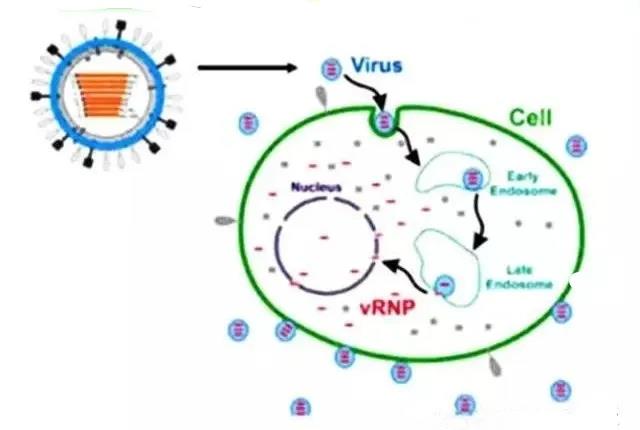
Mycoplasma synoviae in chickens has multiple transmission routes
Vertical transmission (through hatching eggs), horizontal transmission, and transmission between batches (pay attention to disinfection during the downtime between flocks) of Mycoplasma synoviae can all cause infection. It is impossible to guard against it!
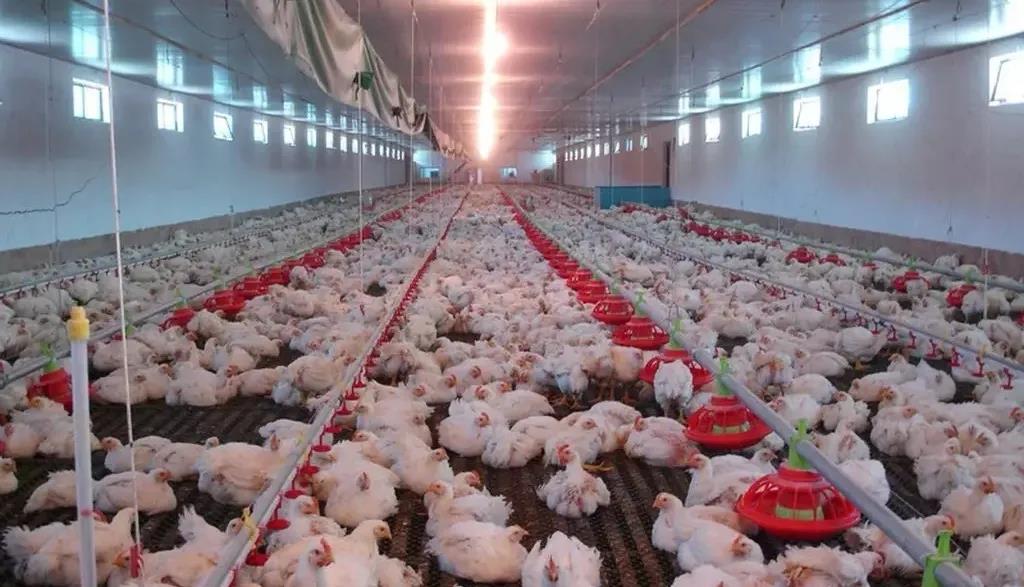
Challenges in treating Mycoplasma synoviae
It is difficult for drugs to reach effective concentrations or distribute adequately in areas such as the chickens’ joints and footpads, so no drug can completely cure the disease. Moreover, drugs also have difficulty killing pathogens that have entered cells; most can only achieve a stable balance of suppression.
Currently most effective drugs and treatment plan
For effective control of this disease, relying on vaccines alone is currently difficult. What is more, the pathogen has a high rate of vertical transmission, so breeder flock cleanup and regular control measures for commercial chickens are necessary. Therefore, vaccines alone are far from sufficient for eliminating Mycoplasma synoviae. The experience of a century of livestock farming in developed countries abroad shows that antibiotics specifically targeting mycoplasma can play a crucial role. However, not all anti-mycoplasma drugs are effective. A comprehensive control plan involving injectable combinations such as lincomycin-spectinomycin and gentamicin sulfate, or regular, appropriately combined oral administration of one or more of doxycycline hydrochloride, tilmicosin, tiamulin, and tylvalosin, used continuously for 6–7 days, is relatively effective.
Precautions
Take care not to source hatching eggs from breeder farms that test positive for Mycoplasma synoviae to hatch chicks for commercial rearing. Because this disease is widespread and many farms test positive, regular, scheduled prevention and control measures should be implemented during the commercial rearing stage. At the same time, maintain good routine husbandry and management practices to minimize stress and improve the chickens’ immunity as much as possible. Stress and low or declining immunity often trigger this disease.