
Generally, autumn diarrhea in laying hens differs from the watery diarrhea seen in summer. By comparison, autumn diarrhea involves less undigested feed in the droppings and more discolored droppings. Its causes are also more complex than those of summer diarrhea, making prevention and treatment more prone to mistakes.
It is understood that after experiencing heat stress in summer, laying hens develop autumn diarrhea in open, semi-open, and enclosed poultry houses. Moreover, medication is often ineffective.
Why? One reason is that the temperature of the natural environment is changing: the average accumulated temperature is falling, and the day-night temperature difference and humidity are decreasing. Another is that the reproductive numbers and pathogenicity of pathogenic microorganisms change with the environment. A further reason is that the physiological metabolic level and patterns of the flock are undergoing adjustment as they adapt to external changes.
In addition to these three broad explanations, proposed causes of autumn diarrhea include rotavirus, adenovirus, uneven temperature, feed quality, cholera, enterotoxins, and disharmony of the spleen and stomach.
How should the causes be understood and distinguished? Several possibilities should be considered:
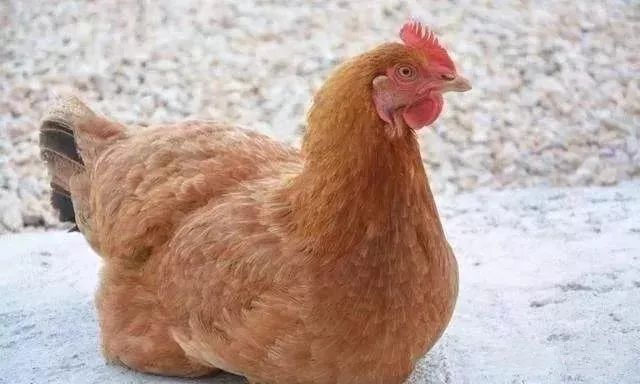
I. Continuation or secondary occurrence of summer diarrhea
In summer, the most common cause of diarrhea in laying hens is excessive water intake. In open and semi-open poultry houses and simple poultry houses, this is mainly due to the heat: to counter heat stress, the flock drinks a great deal of water and then excretes watery droppings in an attempt to dissipate body heat. This watery diarrhea is a temporary disturbance of intestinal function. Another cause occurs in standardized poultry houses, where the summer cooling pads and fans are not switched on and off in coordination, resulting in excessive wind-chill effects. This is heat-related “cold” in the intestines (the so-called constant temperature is unreliable).
This type of diarrhea is usually not severe and is clearly seasonal. As long as it does not develop into persistent enteritis, it can be treated, or it may resolve on its own as temperatures gradually fall. However, the severe shedding of intestinal mucosa caused by this type of diarrhea can continue for some time. As the day-to-night temperature difference increases, the fans and cooling pads are used less, and changes in the temperature and humidity of the incoming outside air cause the flock’s stress levels to fluctuate again. The digestive tract’s ability to adapt is disrupted once more, and the already weakened intestines may take time to regain normal function. As a result, the diarrhea may persist or worsen again.
The ongoing intestinal dysfunction caused by this type of diarrhea can weaken or stop the intestines’ ability to synthesize certain vitamins, such as VC, VD, and VB. As a result, endogenous synthesis is insufficient, while supplementation from external sources is not absorbed adequately. Some vitamins that were already scarce become even more deficient, further reducing the body’s resistance to stress and disease. This, in turn, leads to more infections associated with viruses, bacteria, molds, and parasites, resulting in clearly pathological diarrhea.
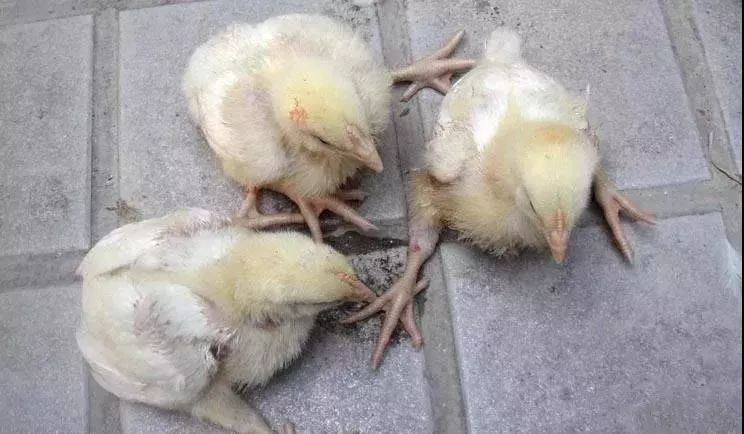
Two: Inappropriate medication
In cases that are actually caused by an imbalance in the intestinal flora, high doses of antibiotics or antidiarrheal drugs may be used. Conversely, when the birds are genuinely ill, some may take chances, assuming that the condition will improve once the weather cools, and thereby delay treatment. Some poultry farmers heed advice to use tannic acid protein intended for human use, or to mix a small amount of sorghum into the feed to stop diarrhea, without investigating its main cause. This can worsen viral disease or turn it into persistent diarrhea, as these examples show.
Three: Managing poultry houses according to old experience
Poultry farmers can fall into the trap of relying on experience, treating previously successful practices as unchanging golden rules. In fact, conditions in the poultry industry are constantly changing, and no open, semi-open, or enclosed poultry house is a world apart from its surroundings. Given chickens’ physiological characteristics, they are more sensitive to heat than cold, tolerate low temperatures but not high ones, and naturally molt as autumn begins, with their feathers gradually filling in. Therefore, in autumn, temperature management in layer houses is generally based on allowing the indoor temperature to transition with the outdoor temperature, and little heating is needed; ventilation remains the priority. The challenge is that at this time, the day-to-night temperature difference gradually increases, and hot, dry, sunny weather alternates with prolonged rainy, damp weather. In particular, after the autumnal equinox, cold dew intensifies after nightfall, while late autumn is also when disease outbreaks gradually become more common. This makes temperature management in layer houses difficult.
After autumn begins, the outside environment cools, but it can still be quite hot around midday. At such times, heat can build up inside the poultry house, especially in the middle. If the fans are turned off, this accumulated heat is difficult to disperse, while the chill from the evening into the night forces the flock’s bodies to make substantial adjustments to adapt. In addition, after a period of hot, dry weather, prolonged rain brings damp conditions. This dampness differs from the high temperatures and high humidity of summer: it is high humidity at low temperatures, which most readily triggers certain related poultry diseases.
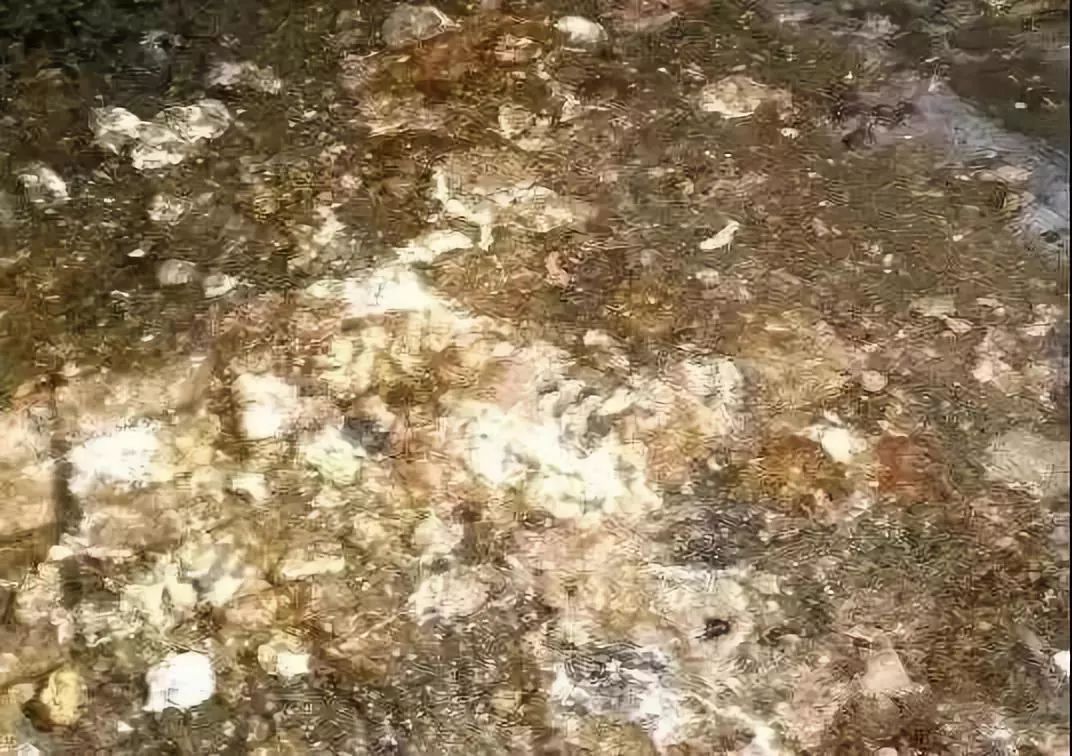
For example, Mycoplasma gallisepticum can persist in chickens for a long time without causing illness. When there are major changes in temperature or ventilation, especially in low-temperature, high-humidity conditions with poor ventilation, this pathogen can multiply rapidly and cause disease. Another example is fowl cholera. Its pathogen is also widely present in the environment, and both recovered chickens and chickens with no history of illness can carry the bacteria. Sudden temperature changes, prolonged rainy weather, and low, damp conditions in the chicken house can all trigger the disease. It is most likely to occur in late autumn. The disease is also more likely to occur after the onset of laying.
Local management within this broader external environment varies from year to year. Because conditions alternate between hot and cold, and dry and damp, the flock has difficulty adapting. Diseases associated with temperature and humidity often recur year after year; respiratory and intestinal diseases may also keep alternating. People often feel that they cannot get the temperature in the chicken house right during this period, and that the problems are impossible to guard against.
Four. Disharmony between the spleen and stomach
This is of the utmost importance. Many cases of autumn diarrhea with no known cause result from damage to or imbalance in the digestive tract, rather than from pathogenic microorganisms. This is also an important reason why autumn diarrhea is often difficult to cure despite extensive medication. According to traditional Chinese medicine theory, this type of diarrhea is caused by a problem in the coordination between the spleen and stomach, organs of the body. Disharmony between the spleen and stomach means that their normally coordinated roles in transforming and transporting food become abnormal. The general pattern is that the spleen moves upward and the stomach moves downward: the spleen sends the essence of digested food upward, while the stomach sends the food residue downward.
Traditional Chinese medicine says: “When the spleen and stomach's receiving and transforming functions are impaired, and their ascending and descending movements are out of balance, the spleen qi fails to rise and instead sinks, resulting in diarrhea.” The text Mingyi Zhizhang also states: “When the spleen is disharmonious, food is not digested; when the stomach is disharmonious, there is no desire to eat. When the spleen and stomach are disharmonious, there is neither appetite nor digestion. There may be vomiting or diarrhea: …” In my understanding, hot, humid conditions can inhibit spleen and stomach function and can also cause them to be affected by external cold or heat. After summer, the spleen and stomach, having suffered these effects, may not have recovered. In traditional Chinese medicine theory, this means that the spleen, which governs transformation and transportation, and the stomach, which governs storage, are no longer working in step, resulting in disharmony.
This disharmony between the spleen and stomach is also closely related to the flock's diminished physical condition after summer. It is also closely related to changes in the outdoor environment after the start of autumn—including in enclosed chicken houses—in temperature, humidity, and temperature differences. With their physical condition diminished, the chickens must adapt to a changing environment. For a time, the body's various organs, especially the spleen and stomach, cannot work together in their usual way to transform and transport food, and diarrhea is therefore difficult to avoid.
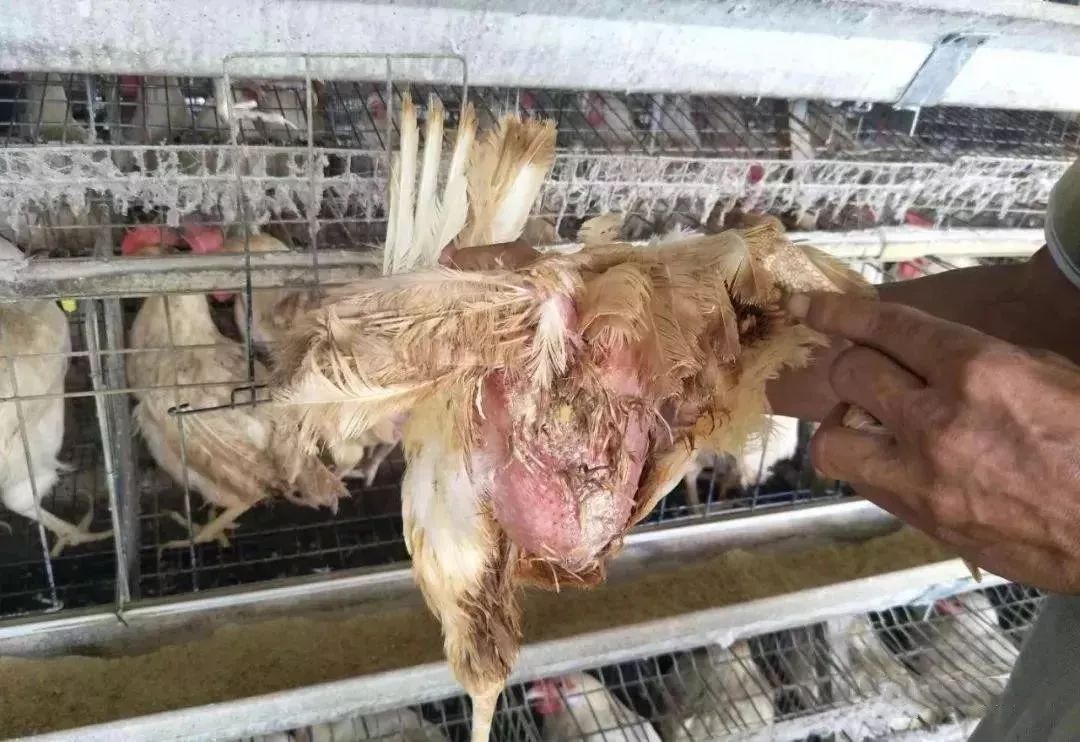
Changes in the external environment are objective and external, while the body's adaptation to the environment is coordinated and internal. The body's functional balance is paramount: a healthy body can withstand the impact of external changes, but when the body is weak, even the best environment cannot guarantee that nothing will go wrong.
When preventing and treating autumn diarrhea, two points deserve attention:
First, timely and adequate use of microecological preparations can regulate the intestines, promote the dominant colonization of beneficial bacteria in the gut, and ensure intestinal acid-base balance and the integrity of the intestinal mucosa. Second, Chinese herbal medicines can be used to regulate the spleen and stomach, strengthening both and helping them work together to transform and transport nutrients. At the same time, supplementing protein, energy, various vitamins, and minerals can correct diarrhea.
Management of chicken houses should be adapted to local conditions and the time of year. In enclosed chicken houses, while ensuring good ventilation, gradually acclimate the flock to the increasingly cooler air brought in from outside, and ensure that the birds are not exposed to direct cold drafts. To prevent heat buildup, install small exhaust fans under the eaves on the end walls or side walls of open or semi-open chicken houses, and switch them on when necessary to remove pollutants and moisture.
Some semi-open chicken houses use hinged glass windows or louvered windows for lighting and ventilation. This is relatively easy to manage, but be sure to adjust the opening angle promptly. Ideally, install a rain awning above the exterior windows to help block strong, direct drafts from blowing in. Do not assume that because the weather is getting cooler, the chicken house must be kept increasingly tightly closed to retain heat. Keep in mind that the flock is transitioning from the high-temperature, high-humidity conditions of summer to gradually lower-temperature, high-humidity conditions, and then to low-temperature, low-humidity conditions. The principle of “dress warmly in spring and lightly in autumn” applies to flocks as well.
In short, autumn diarrhea in laying hens is not simply intestinal inflammation. Take all factors into account, identify the primary ones while also addressing secondary ones, and begin prevention in summer. Prevention and control also depend on people taking responsibility and responding promptly to new circumstances.