
Maintaining optimal gut health throughout the different stages of poultry production is essential for ensuring production performance and animal welfare.
Gut health issues are not only a health and welfare concern. If birds have difficulty recovering, they may also have long-term effects, while posing biosecurity risks to other birds and staff.
The gastrointestinal tract breaks feed particles down into digestible nutrients and absorbs them into the bloodstream to meet the body's metabolic needs and effectively support production.
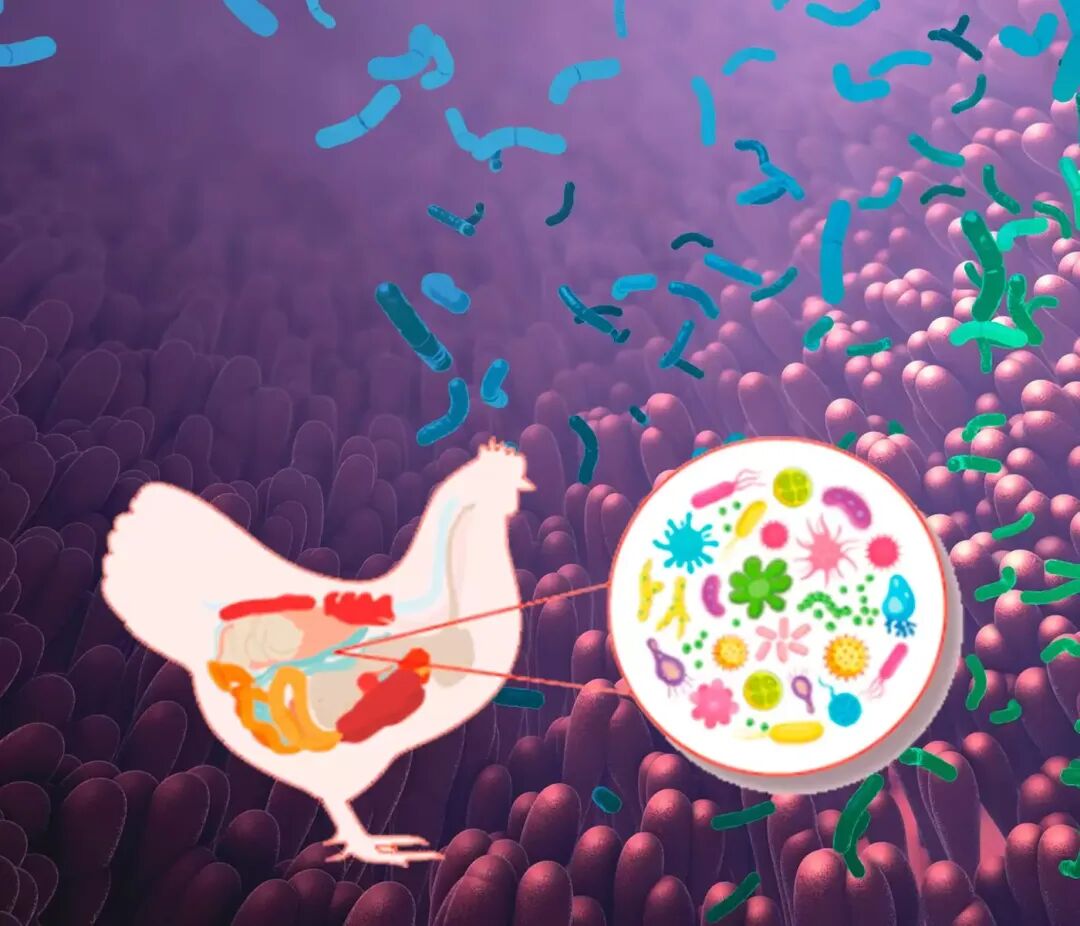
The gastrointestinal tract is able to perform these functions largely because of its coordinated interaction with the gut microbiota.
The gut microbiota can help digest fibrous components, stimulate the intestinal wall, enhance the host’s immune response, and produce metabolites that benefit the host.
Chickens with healthy guts are typically active, have a strong appetite, efficiently digest and absorb nutrients, and have a good immune response.
These characteristics all benefit production performance and can shorten recovery time when digestive disorders occur.
Therefore, producers should not underestimate the benefits of maintaining a healthy, well-functioning gut microbiota–host interaction.
So, when focusing on poultry gut health, what are the main factors that need the most attention?
— 1 —
Inadequate biosecurity management in the chicken coop
Comprehensive biosecurity measures can reduce the risk of pathogens entering poultry houses and lessen their impact on flock performance during disease outbreaks.
Conversely, gaps in biosecurity procedures may provide a route for potential pathogens to enter, allowing them to colonize the gastrointestinal tract of chickens and cause intestinal disease, thereby adversely affecting flock performance.
Therefore, reviewing poultry house biosecurity procedures to prevent pathogens from entering wherever possible, and promptly controlling their spread if they do enter, is the best strategy for proactively protecting poultry gut health.
As flocks age, various potentially harmful microorganisms may appear in the poultry house environment.
For the current flock, this may not cause any obvious problems because they have already adapted to this environment, but it could pose a biosecurity risk to the next flock.
Implementing an all-in/all-out system between flocks, along with thorough cleaning and disinfection, is essential to preventing intestinal health problems in chicks or pullets that have not been exposed.
If these measures are not properly implemented, chicks may develop digestive disorders, pasted vents, and diarrhea during their first week after placement, potentially causing growth to stall and threatening their survival.
In production systems using litter and enrichment measures in feeding, every effort should be made to prevent cross-contamination between different batches.
Harmful microorganisms can easily multiply in large numbers in damp organic matter formed by residual feed and feces. Any contaminated surface can become a source of infection.
Temperatures above 50 °C can kill harmful bacteria such as Salmonella and Campylobacter, so heat treatment of bedding is sometimes recommended to reduce the pathogen load.
However, even when heat treatment is performed correctly, it cannot completely solve this problem.
The period between batches is also a good time to thoroughly clean and disinfect the drinking water lines to remove biofilm formed during the previous production stage, since the drinking water system can also be a source of health problems.
Under warm, humid environmental conditions, fungi capable of producing mycotoxins may also grow in feed storage bins.
If feed is stored improperly for too long, it may become a source of health problems.
The pelleting process can reduce the number of potentially harmful microorganisms in feed ingredients.
However, after feed preparation is complete, its quality gradually declines as storage time increases, especially during long-term storage.
From a biosecurity perspective, before adding a new batch of feed, the old feed in the feed bin should first be completely emptied. Producers should also inspect the feed bin regularly to ensure that it does not become a hotspot for pathogen growth.
— 2 —
Weak or imbalanced gut microbiota
Establishing a thriving ecosystem of diverse beneficial bacteria in the gut can create a strong barrier against potential pathogens that may be present in feed, drinking water, and bedding.
Any of these external factors may disrupt the delicate balance between the gut microbiota and the host, affecting normal gastrointestinal function.
If the gut microbiota lacks the resilience to prevent new invaders from establishing themselves, recovery of both the microbiota and the host may be affected.
Poor gut microbiota health can create opportunities for pathogens such as different serotypes of Salmonella.
These pathogens can take advantage of stress to colonize the intestinal wall.
Adding probiotics to poultry diets is an important measure for supporting a healthy gut microbiota and maintaining stable production performance at different ages.
These probiotics should have the following characteristics:
Able to withstand the feed pelleting process; able to resist stomach acid; able to grow rapidly in the small intestine.
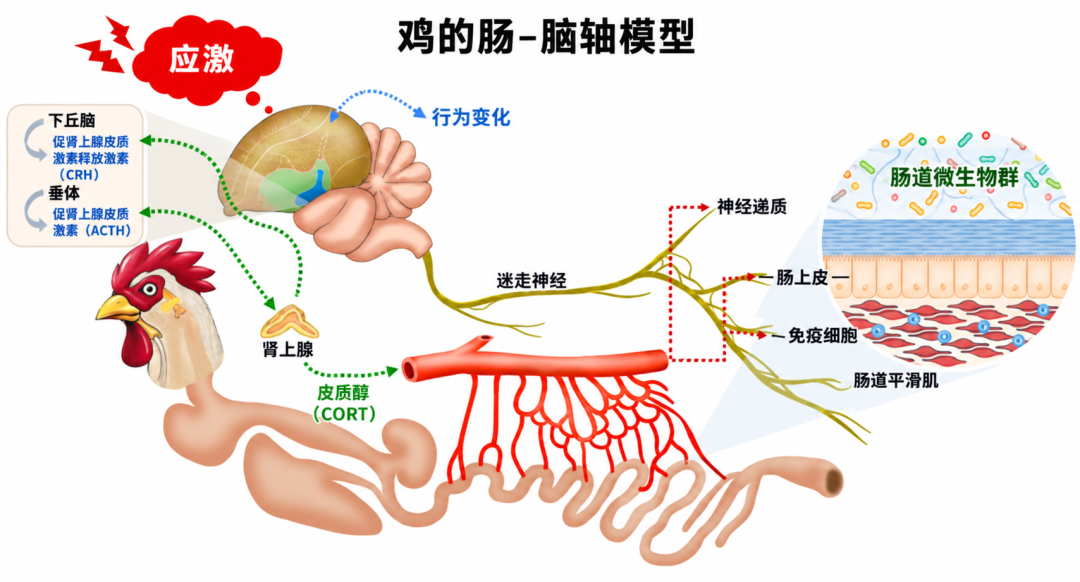
This is especially important for newly hatched chicks and flocks that have experienced stressful events, because stress may reduce the number of beneficial bacteria and disrupt the balance of the microbiota.
Transportation, heat stress, and other welfare issues can all cause an imbalance in the gut microbiota, while probiotic supplementation can help restore a healthy microbial balance.
In addition, probiotic supplementation is also recommended after antibiotic treatment in the flock.
Because antibiotics extensively deplete the gut microbiota.
Probiotic supplementation is also recommended before some production stages with temporarily higher metabolic demands, such as the start of production.
— 3 —
Prebiotics help maintain gut health
Adding prebiotic-rich ingredients to poultry diets can also promote the growth of beneficial bacteria already present in the gut.
Prebiotic ingredients cannot be digested by the host itself, but can serve as a source of nutrition for beneficial bacteria, thereby promoting their growth and activity.
These fibrous components can also strengthen the structure and function of the gastrointestinal tract, making it more robust and reducing the risk of disease caused by damage to the intestinal wall, ultimately helping the gastrointestinal tract function normally as a whole.
— 4 —
Gut health should be a core management strategy
Optimal gut health should no longer be viewed as an “extra benefit” worth pursuing only under ideal conditions, but as a key management strategy for broilers and laying hens to achieve production targets and maintain good flock welfare.
A robust gut health status with good recovery capacity can improve production efficiency from within the body while supporting the economic sustainability of poultry farms.
To achieve this goal and consistently obtain the best production results, the following should be done:
Establish comprehensive and reliable biosafety procedures;
Ensure that staff strictly implement all biosecurity measures;
Implement feeding strategies at different production stages that can enhance gastrointestinal function and support beneficial gut microbiota.
Note: This article is sourced from the Zootecnica website. Aitor Arrazola, graduate biologist, PhD in animal behavior and welfare.