
Chicken Escherichia coli disease is a common disease caused by Escherichia coli. It is characterized by a high incidence rate, a high mortality rate, and rapid transmission. The disease can occur throughout the year, but outbreaks are more frequent during hot, humid, and changeable weather, such as in summer and autumn.
I. Clinical symptoms
Escherichia coli can infect chickens through different routes, causing various pathological forms:
Air sacculitis: When combined with Mycoplasma infection, it forms “pericarditis and perihepatitis” (fibrinous exudation), causing difficulty breathing.
Yolk peritonitis: In laying hens, infection of the oviduct leads to decreased egg production and abdominal enlargement.
Omphalitis: In chicks, poor yolk absorption and incomplete closure of the navel result in a high mortality rate.
Arthritis/synovitis: Joint swelling and lameness.
Panophthalmitis: the eye becomes cloudy and atrophied, causing blindness.
Pericarditis, perihepatitis: the internal organs are covered with fibrinous exudate.
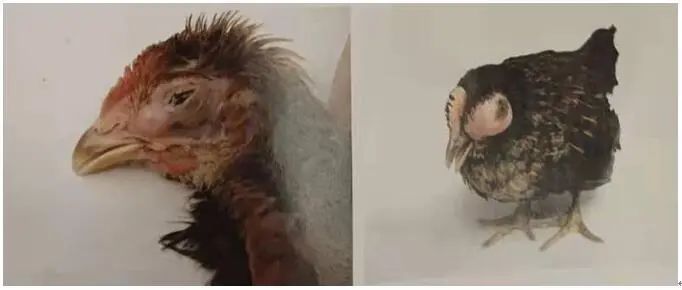
II. Losses caused
1, direct losses: the mortality and culling rate increases, and treatment costs are high.
2, indirect losses: slow growth, reduced feed conversion rate, and a 10%-40% drop in laying hen production.
3, mixed infections: often co-infects with Newcastle disease, infectious bronchitis, mycoplasma, and others, aggravating the condition.
Three. Causes of disease
Hormonal changes in the flock at the onset of laying lead to reduced resistance. The flock’s eight major stressors weaken its condition, leading to secondary Escherichia coli disease. Poor ventilation causes respiratory disease in the flock, followed by secondary Escherichia coli disease. Other diseases, such as mold and avian influenza H9, etc.Secondary infection with colibacillosis.
Four. Prevention and control measures
1, prevention and control of eight major stressors
During production, flocks are susceptible to various stressors, such as onset of lay, immunization, feed changes, and temperature fluctuations. Improper management may lead to reduced production performance or secondary diseases. Prevention should address the following eight aspects:
(1) Feed and water management
Provide high-quality, nutritionally balanced feed, and avoid using moldy or spoiled feed. Ensure an adequate supply of clean drinking water. Clean and disinfect drinking equipment regularly, and provide separate drinking vessels when necessary. Adjust the water pressure to prevent high pressure from making it difficult to drink, ensuring that the chickens can eat and drink normally.
(2) Vitamin supplementation and stress relief
Provide vitamin K or C in the drinking water to alleviate bleeding and stress responses and strengthen the chickens’ resistance.
(3) Prevent secondary infections
Administer medications such as amoxicillin in drinking water to reduce the risk of infection after stress and lower mortality and culling rates.
(4) Develop a plan scientifically
Arrange stress-inducing procedures (such as immunization and feed changes) appropriately according to the birds’ age, and avoid stacking stressors. Add anti-stress medication when necessary to reduce the burden on the flock.
(5) Environmental and hygiene control
Maintain a stable environment inside the housing, reducing frightening factors such as noise and sudden changes in lighting; strengthen hygiene management and thoroughly disinfect the rearing houses regularly; strengthen the treatment of manure and wastewater to prevent environmental pollution. Manure should be cleared promptly and fermented to kill pathogenic microorganisms. Provide regular care for the oviduct to prevent related diseases.
(6) Standardized management
Ensure consistent management procedures, eliminate controllable stress (such as errors in human operations), reduce the impact of uncontrollable stress (such as weather changes), and reduce the occurrence of conditional diseases.
(7) Immune stress prevention and control
Select high-quality vaccines and precisely control the dosage; monitor antibody levels before immunization, increase ventilation afterward to reduce dust irritation, promptly observe the flock’s condition, and alleviate stress.
(8) Optimization of flock transfer operations
Develop a flock transfer plan to reduce mechanical stress during catching, transportation, and other stages; administer anti-stress medication in advance to ensure a smooth transition.
2, biosecurity cuts off transmission
(1) All-in, all-out
Strictly implement the all-in, all-out system to avoid raising chickens of different batches and ages at the same time in the same chicken house or farm.
Cleaning and disinfection must be thorough and carried out in accordance with standards to ensure effective disinfection. Pay attention to personal protection during disinfection to avoid harm to people from disinfectants.
Reasonably schedule the vacant period, adjusting its duration as appropriate according to local epidemic conditions and the farming environment to achieve the best purification results.
(2) 4335 biosecurity management
Establish a four-level early warning mechanism to promptly detect developments in nearby Escherichia coli outbreaks and take preventive and control measures in advance.
Implement the disease prevention and control management standards for Level Three disease prevention farms and Level Three disease prevention zones, and create a sound biosecurity environment. This helps keep the flock in a relatively healthy condition, reduce stress factors, and strengthen the flock’s own resistance.
Strictly control the five routes of transmission:
Prevent transmission between chickens and strictly control the movement of flocks within the premises. Flocks must not be moved freely between farms or poultry houses.
Prevent transmission between people and chickens. Enter the farm area in accordance with disease prevention and control management regulations; moving between buildings is strictly prohibited.
Prevent transmission between items and chickens. Items must be isolated and disinfected for 24 hours before entering the farm area. Items must not be shared between buildings.
Break the transmission between the air and the chickens. Carry out disinfection of the internal and external environment in accordance with the site disinfection procedures to reduce pathogenic microorganisms in the environment.
Break the transmission between animals and chickens. Implement measures to prevent birds and rodents and control mosquitoes and flies, reducing the risk of Escherichia coli spreading through other animals.
3, measures for responding to disease onset
(1) Prioritize the cause
Promptly eliminate environmental or management-related triggers after the onset of the disease. Prioritize improving the environment: inspect the ventilation system and adjust the temperature-control equipment. Maintain the chicken-house temperature at 18-25℃ and control humidity at 60%-65%. Suspend procedures such as flock transfer and beak trimming to avoid compounding stress. Add electrolytes and multivitamins to the drinking water for 3 consecutive days to ease stress in the flock and address the conditions that promote E. coli proliferation at the source.
(2) Use medication scientifically
Collect samples from sick chickens for antimicrobial susceptibility testing and prioritize sensitive medications. For administration in drinking water, use a mixer to thoroughly blend the medicated solution, and provide it at different times to ensure every chicken can drink it; for administration in feed, mix the medication evenly with the feed in the prescribed proportion and distribute it in multiple feedings to ensure consistent intake. Follow the full treatment course strictly, avoiding stopping medication or increasing the dose without authorization. Also alternate between different types of medication to reduce the risk of antimicrobial resistance. During treatment, record changes in the flock’s feed intake and symptoms to evaluate effectiveness.
The core of prevention and control of colibacillosis is to base it on management, center it on the birds’ condition, and rely on biosecurity as a safeguard. By eliminating predisposing factors, managing the birds’ condition, preventing and controlling stress, maintaining biosecurity, and responding appropriately, the incidence of environmentally related diseases can be systematically reduced and production efficiency improved.