
According to online surveys, 60-70% of raw materials in China are contaminated with mycotoxins. Mycotoxins pose a serious health risk to livestock and poultry, severely affecting the economic returns of farms. We know that corn accounts for approximately 60% of feed. It should be noted that corn is susceptible to mold and can be easily contaminated before harvest, as well as during transportation and storage after harvest.
Below is a brief introduction to several common diseases in laying hens triggered by excessive levels of mycotoxins:
1, enteritis, diarrhea, and recurrent passage of undigested feed
Enteritis is common in flocks in hot, humid conditions. Likewise, excessive levels of mycotoxins can cause recurrent diarrhea and trigger enteritis in flocks. Enteritis that does not respond to treatment may lead to loose feces containing feed, among other symptoms. Mycotoxins damage the structure of intestinal mucosal cells, preventing the intestines from absorbing nutrients normally. Undigested feed then accumulates in the intestines, where lower oxygen levels create more favorable conditions for Clostridium to multiply, leading to recurrent intestinal disease and diarrhea.
2, glandular and muscular stomach inflammation
Deoxynivalenol and T-2 toxin, both mycotoxins, are the main culprits behind glandular and muscular stomach inflammation in flocks. Mycotoxin-induced glandular gastritis can occur in chickens of different breeds and ages. On dissection, the glandular stomach is swollen and spherical, and the mucosa of the glandular and muscular stomach is eroded and ulcerated. Symptoms include reduced feed intake and weight loss. The disease mainly affects flocks aged 10-60 days; the younger the birds, the more severe the lesions of glandular and muscular stomach inflammation.
3, crop inflammation
Candidiasis is inflammation of the surface layer of the chicken crop mucosa. The crop is markedly enlarged, drooping and protruding, and feels fluctuant to the touch. Pressing the crop may cause gray-yellow, gas-containing mucus to flow from the mouth, with a foul odor. When a chicken is held upside down, foul-smelling liquid flows from its mouth. On dissection, the crop mucosa is congested, hemorrhagic and ulcerated, with nodules; the fluid in the crop is cloudy, and its contents are pasty or creamy.
4, thrush
Thrush, also called fungal stomatitis, is a general term for inflammation of the oral mucosa. It is mostly caused by fungi and toxins, and is characterized by white pseudomembranes and ulcers on the mucosa of the mouth and upper digestive tract. This disease can cause severe immunosuppression in chickens, resulting in a low level of immune response and causing the flock to eat less, refuse large-particle feed, become thin, and have poor disease resistance. Typical findings on dissection are ulcerative lesions or nodules of varying sizes in the mouth, crop and esophagus.
5, liver rupture
One cause of liver rupture in chickens is mycotoxicosis (mycotoxins mainly act as an inducer). Aflatoxins among the mycotoxins can seriously interfere with liver function and affect protein synthesis and hematopoiesis. After severe liver damage and deformation, this ultimately leads to death. On dissection of dead chickens, the liver is enlarged and hemorrhagic, and there is blood accumulation in the pericardium.
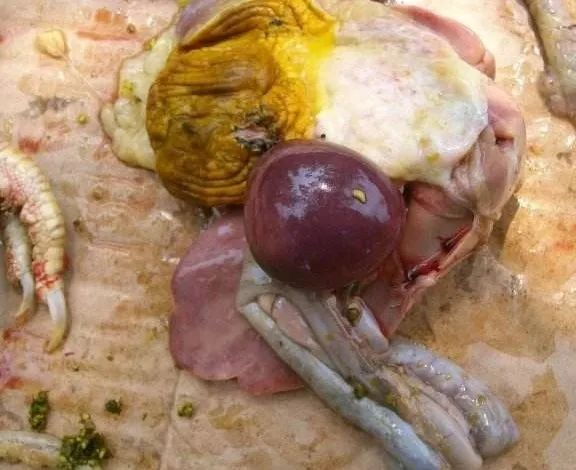
Prevention and control measures:
1, prevent mycotoxin levels in raw materials, feed, water lines, feed troughs and the environment from exceeding limits.
2, use mold inhibitors appropriately to suppress and break down mold.
3, clinically use high-quality detoxification medication for liver and kidney protection on a regular basis.