
Recently, during market visits, I have helped customers deal with many problems in pullets. On post-mortem examination of pullets, oviduct blockage is encountered relatively often. Customers would rather forfeit their deposits than take these birds. This is because once oviduct blockage is found in a flock, it will affect the laying rate (5%-20%).
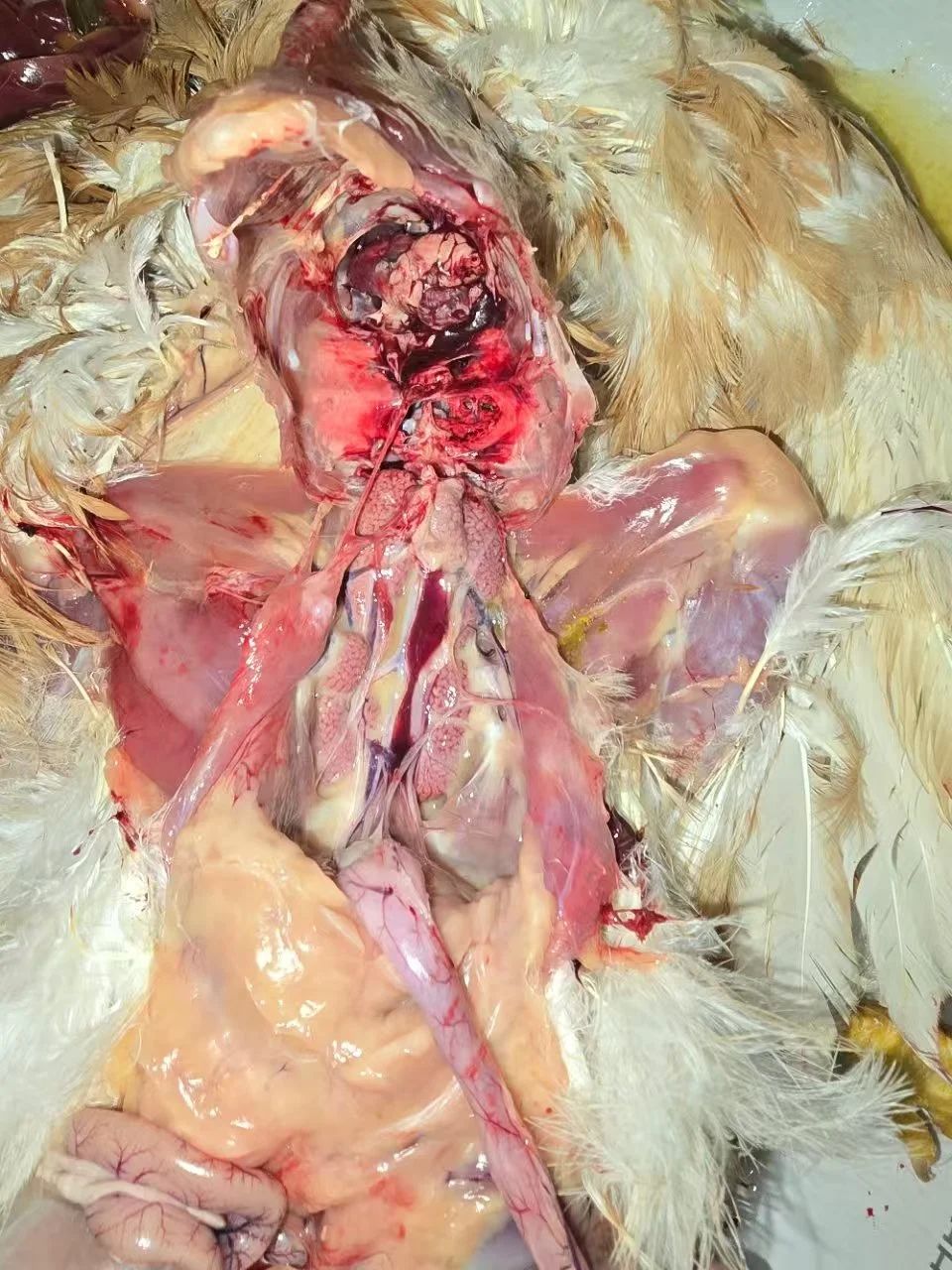
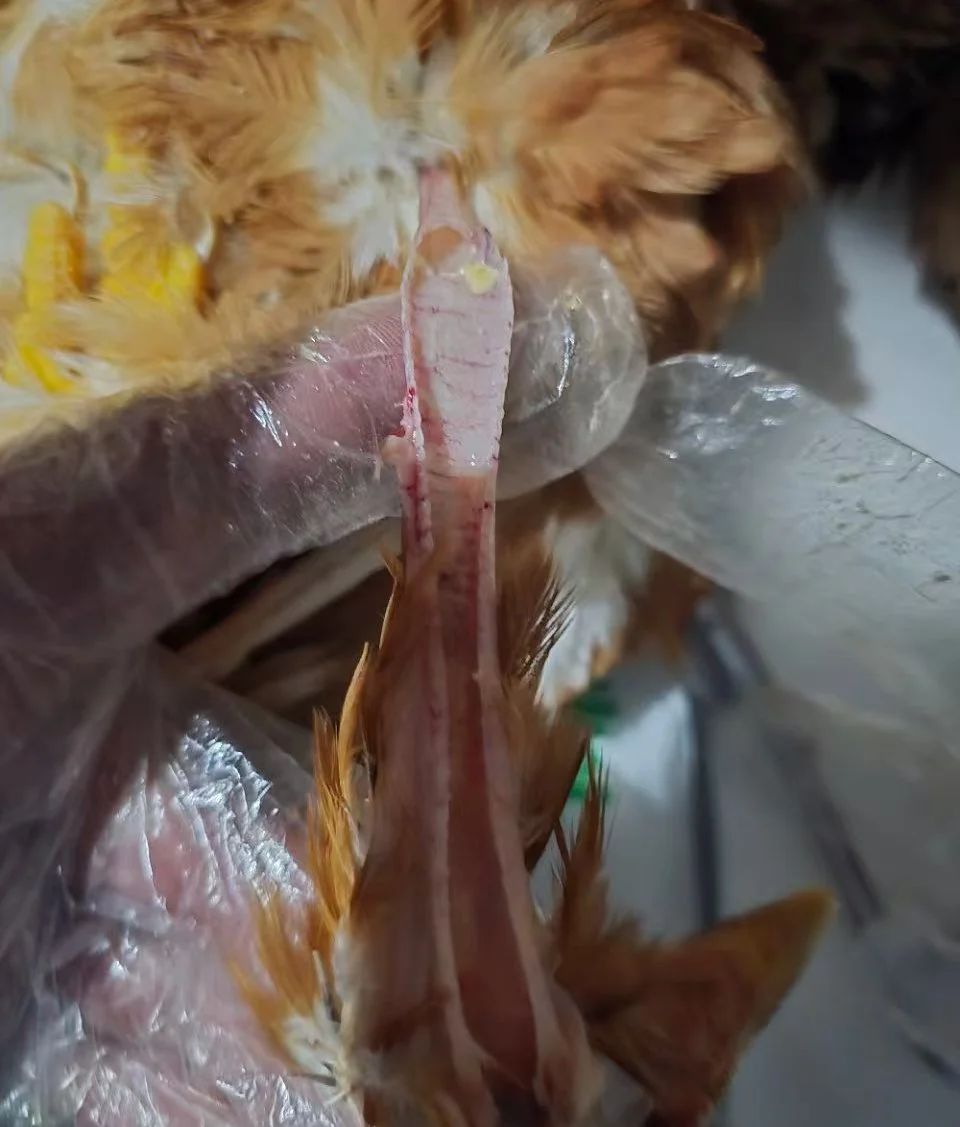
What exactly causes oviduct blockage in pullets?
I. Respiratory diseases
Clinically, at present, most flocks with blockages also show respiratory symptoms, and the respiratory symptoms tend to persist for a relatively long time. This shows that oviduct blockage is closely associated with respiratory diseases.
II. Riemerella anatipestifer
Among the causes recently mentioned most often in connection with oviduct blockage in pullets is Riemerella anatipestifer. The characteristic signs of Riemerella anatipestifer infection are pericarditis, perihepatitis, airsacculitis, and caseous salpingitis. It mainly affects ducks and chickens aged 1-8 weeks. Chickens have some resistance to Riemerella anatipestifer, but recent reports indicate that the bacterium can be isolated from caseous material in the oviducts of experimentally challenged flocks, and that a model of oviduct plugging has been successfully reproduced. The causative agents of oviduct plugging were confirmed to be Riemerella anatipestifer or bacterial infections such as Escherichia coli.
III. Infectious bronchitis and mycoplasma
Infection of the oviduct with infectious bronchitis virus is also an important cause of oviduct inflammation in pullets. In view of this, in addition to vaccinating against the corresponding strains, farms can use a blocking-and-immunity-boosting program in clinical practice to further reduce the occurrence of infectious bronchitis. In clinical practice, disease is often caused by mixed infections with two or more pathogens. Mycoplasma synoviae infection damages the integrity of the oviduct mucosa; viruses weaken the mucosal barrier, mycoplasmas reduce immunity, and bacteria take the opportunity to proliferate in large numbers, forming a “pathogenic triangle” that significantly increases the risk of obstruction.
Four. Environmental stress
Cold stress is an “accomplice” that accelerates the condition. Poor ventilation in poultry houses can lead to excessively high ammonia concentrations, while inadequate insulation can cause “cold stress”; both weaken the flock’s immunity and provide pathogens with an opportunity to invade. Excessive crowding in the flock increases stress responses and adds to the burden on the oviducts.
Oviduct obstruction in pullets is one of the problems in poultry farming that should not be overlooked. In daily management, poultry farmers should start with the details and use sound management practices to build a strong defense for the flock’s oviduct health.