
Chicken mycoplasmosis is a disease that frequently occurs during layer farming. Mycoplasma infection is present in flocks at the vast majority of farms in China. Under normal circumstances, this disease does not cause obvious clinical signs, but it can break out when adverse stress factors occur. This is especially common at farms with rudimentary equipment and relatively poor rearing conditions, where the incidence is high. If there is secondary or concurrent infection with Escherichia coli or atypical Newcastle disease, the condition can become severe, bringing incalculable losses to the farm!
Therefore, as a poultry farmer, you may not know every type of poultry disease, but you must understand chicken mycoplasmosis and learn how to distinguish it from other diseases.
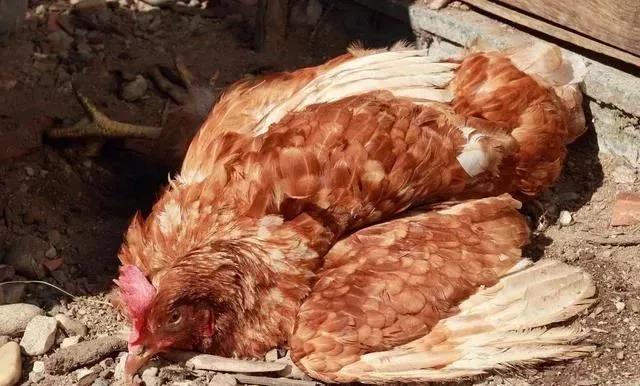
I. Clinical signs
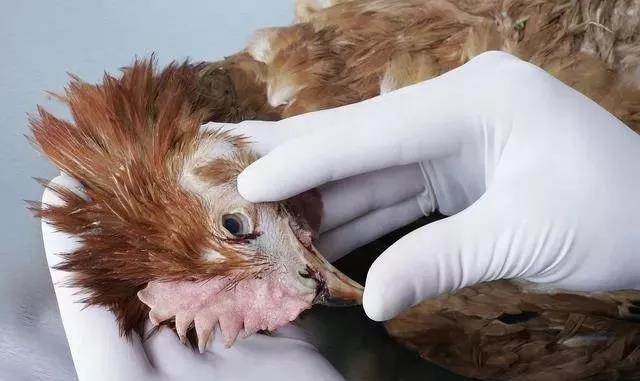
The most common signs of chicken mycoplasmosis are respiratory infection, including coughing, sneezing, and tracheal rales. Nasal discharge often blocks the nostrils, causing frequent head-shaking; some individual chickens have foamy discharge in their eyes.
II. Necropsy findings
The main lesions at necropsy are in the respiratory tract, with abundant mucus in the trachea and reddened, inflamed nasal mucosa. Foamy or caseous material may sometimes be seen in the air sacs. If there is secondary infection with Escherichia coli, findings may include perihepatitis and pericarditis. If there is secondary infection with atypical Newcastle disease, findings may include slight swelling of the proventricular papillae and swelling and hemorrhage of the intestinal lymphoid follicles.
III. Differential diagnosis
1, Differences between Mycoplasma and infectious rhinitis
When rhinitis occurs, facial swelling, nasal discharge, and watery eyes are symptoms similar to those of Mycoplasma. However, rhinitis has a high incidence and spreads rapidly, and necropsy usually reveals no air sac lesions or respiratory rales observed clinically.
2, Differences between Mycoplasma and infectious bronchitis
Infectious bronchitis in chickens is a viral disease. The flock develops the disease rapidly; young chicks often have kidney lesions, while egg production in adult chickens drops sharply and deformed eggs appear. Various antibacterial drugs are ineffective.
3, Differences between Mycoplasma and laryngotracheitis
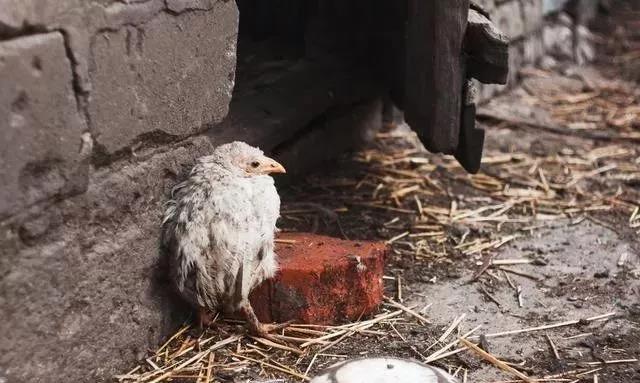
Infectious laryngotracheitis in chickens is a viral disease. The entire flock develops the disease rapidly, with severe breathing difficulties and coughing up blood-stained mucus; deaths soon follow. Antibacterial drugs have no direct effect.
4, Differences between chicken Mycoplasma and vitamin A deficiency
Vitamin A deficiency is characterized by the accumulation of white, tofu-like exudate in the eyes, without yellowing; numerous small white nodules appear on the mucous membranes of the esophagus, crop, and other areas; the legs and feet lose color; and antibiotic treatment is ineffective.
5, Mycoplasma, and Newcastle disease: differences
Newcastle disease causes acute illness in the entire flock, with obvious symptoms. Although its respiratory symptoms are similar to those of chronic respiratory disease, it also causes severe bleeding in the digestive tract and neurological symptoms, making it easy to distinguish from chronic respiratory disease. Newcastle disease can trigger chronic respiratory disease, and its severe symptoms may mask the chronic respiratory disease. Often, the symptoms of chronic respiratory disease gradually become apparent only after the symptoms of Newcastle disease have subsided.