
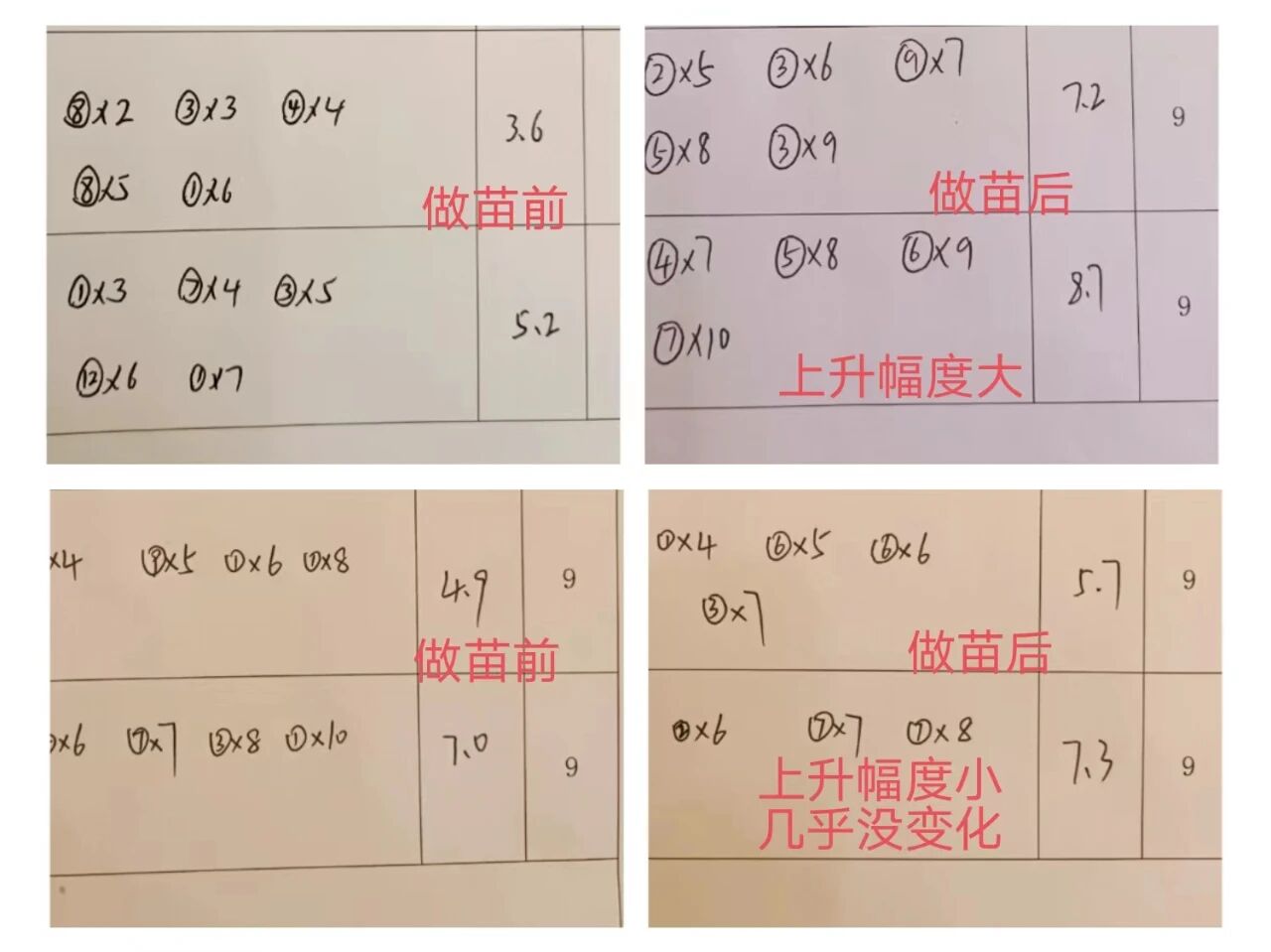
Vaccination is the most effective way to prevent infectious diseases. A vaccination is considered successful when it produces good antibody levels. However, after comparing antibody test results before and after vaccination in many customers’ flocks, our diagnostic laboratory found that antibody levels measured 21 days after vaccination with an oil-based vaccine often rose only slightly compared with pre-vaccination levels. In some flocks, levels did not change or even decreased. Our comparison showed that when different customers’ flocks received the same vaccine during the same period, the resulting increases in antibody levels varied greatly: some rose by 3~4 points, while others rose by fewer than 1 points. What causes this? Here are some factors that can affect the rise in vaccine antibody levels for your reference:
1. Choose an oil-based vaccine from a major manufacturer and a major distributor, and select one that matches the locally circulating strain. Ensure it is stored correctly. The specified storage temperature for oil-based vaccines is generally 2~8 degrees. They must not be frozen or stored at high temperatures. An oil-based vaccine that has been frozen and then thawed is ineffective. Keeping it for a prolonged period in an environment above 8-10 degrees can reduce its potency or render it completely ineffective.
2. Before vaccination, the oil-based vaccine must be warmed to around 35 degrees. Otherwise, lumps may form after vaccination and be difficult to absorb, causing significant stress to the flock. You can place the vaccine in an insulated box with warm water at around 45 degrees and pre-warm it for half an hour to an hour. If the water cools, add hot water 2~3 times. During pre-warming, take out the vaccine and gently shake it to heat it evenly. If available, use a thermostatic water bath. If the poultry house is too cold, applying a warming patch to the tubing during vaccination is also a good option. Once warmed, the oil adjuvant in the vaccine becomes less viscous, allowing the needle to pass through more easily and improving absorption, which helps prevent vaccine nodules.
In addition, never use boiling water to warm an oil-based vaccine. During our visits, we found that some vaccination staff, through lack of knowledge and care, even boiled oil-based vaccines to save time. This can damage the vaccine components and seriously compromise its effectiveness. Just consider: how could a vaccine that has been boiled produce antibodies after being administered to chickens? It would only cause stress in the chickens for nothing. Therefore, farmers should take the pre-warming of oil-based vaccines seriously and not leave it entirely to others. Many details of farming still need to be handled personally.
3. Medicines can be given before and after vaccination with an oil-based vaccine to help relieve stress. For example, add multivitamins to the feed or drinking water for 2-3 days before and after vaccination. When administering an oil-based vaccine, a dedicated cephalosporin suspension can be added to the vaccine to reduce pain at the injection site, ease vaccination stress, improve vaccine absorption, and help antibody levels rise faster. However, make sure to use a cephalosporin product specifically intended for use with oil-based vaccines. Do not add cephalosporin powder arbitrarily, as this can damage the vaccine components and affect its potency. Change needles frequently during vaccination, and discard any needle that is barbed or bent. Gently shake the vaccine from time to time during administration to distribute the antigen evenly, but do not shake it vigorously.
4. Have the oil-based vaccine administered by trained, experienced, and responsible vaccination staff. They must not miss any birds or administer too low a dose. Laboratory antibody testing has found that antibody levels vary widely within many flocks, with a difference of 6-7 points between the lowest and highest levels. Birds that miss vaccination have very low antibody levels and are more likely to become ill, which can then affect the rest of the flock. Therefore, missed vaccinations must be taken seriously. Handle birds gently during vaccination. Rough handling can stress the flock and make it difficult to produce good antibody levels.
5. Ensure the flock is healthy before administering an oil-based vaccine. If the flock shows symptoms such as a decrease in egg production, reduced feed intake, abnormal droppings, or respiratory problems, postpone vaccination. Vaccinating during an illness can worsen the condition and may also fail to produce good antibody levels.
6. Pay close attention to environmental hygiene and disinfection during routine poultry farming. A high viral load inside and outside the chicken coop can also neutralize the flock’s antibodies, causing antibody levels to drop rapidly.