
1, viral hepatitis:
Adenovirus (inclusion body hepatitis, Ankara) infection and avian hepatitis E virus infection can overburden the liver (an exceptionally high incidence over the past two years).
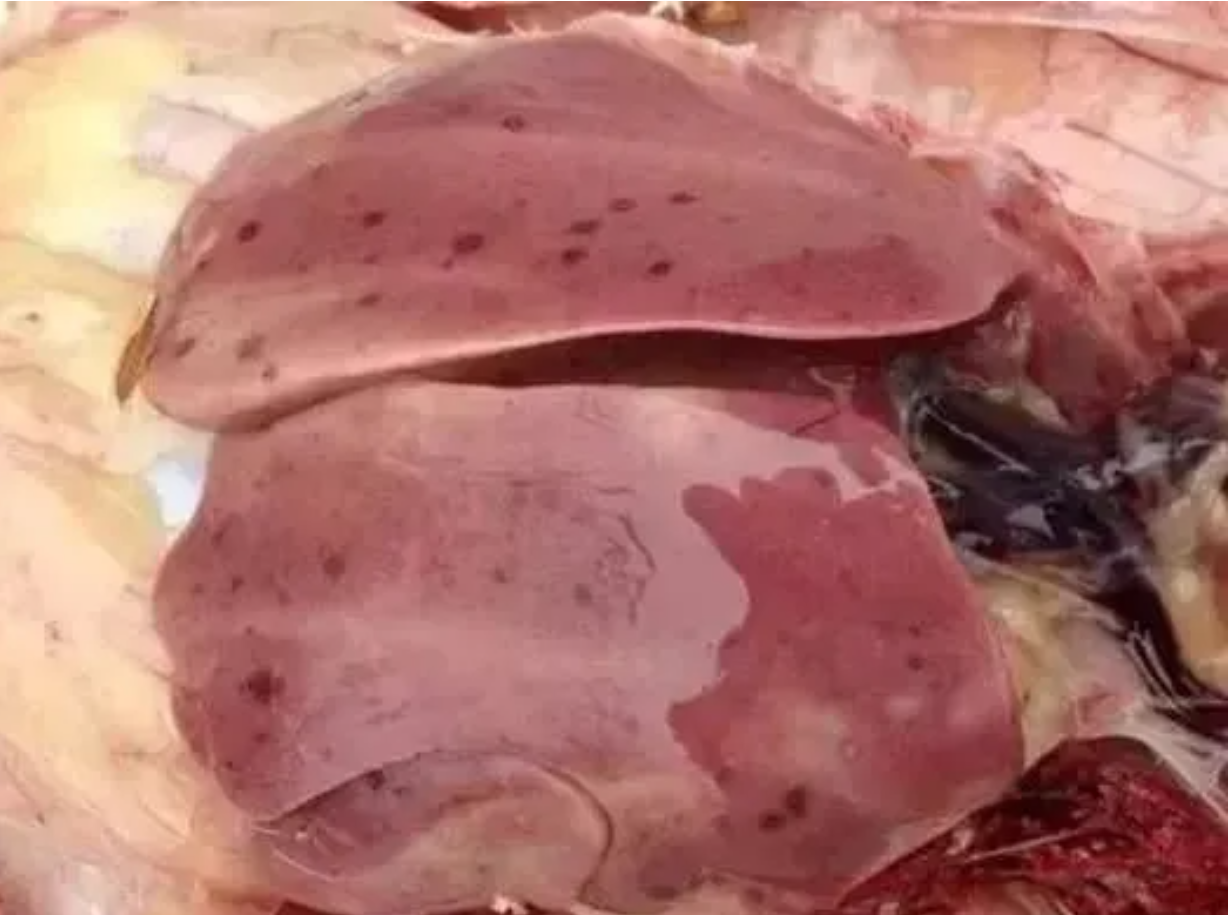
Inclusion body hepatitis
2, drug-induced liver disease:
In flocks receiving continuous medication, the liver is overburdened (a frequently occurring problem).
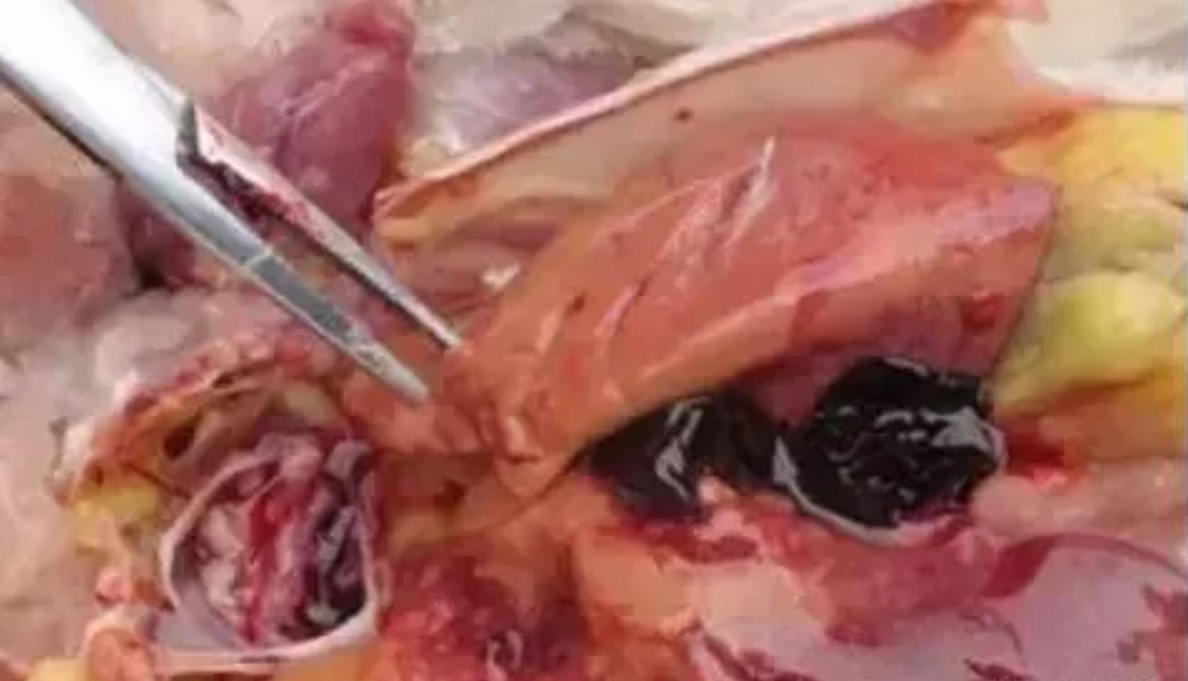
3, mycotoxin-induced liver disease:
Various mycotoxins are absorbed into the liver, where they accumulate and cause lesions such as liver hardening, atrophy or enlargement, and degeneration, eventually leading to loss of various functions. In recent years, feed mycotoxins exceeding limits have caused substantial losses (an exceptionally high incidence in recent years).
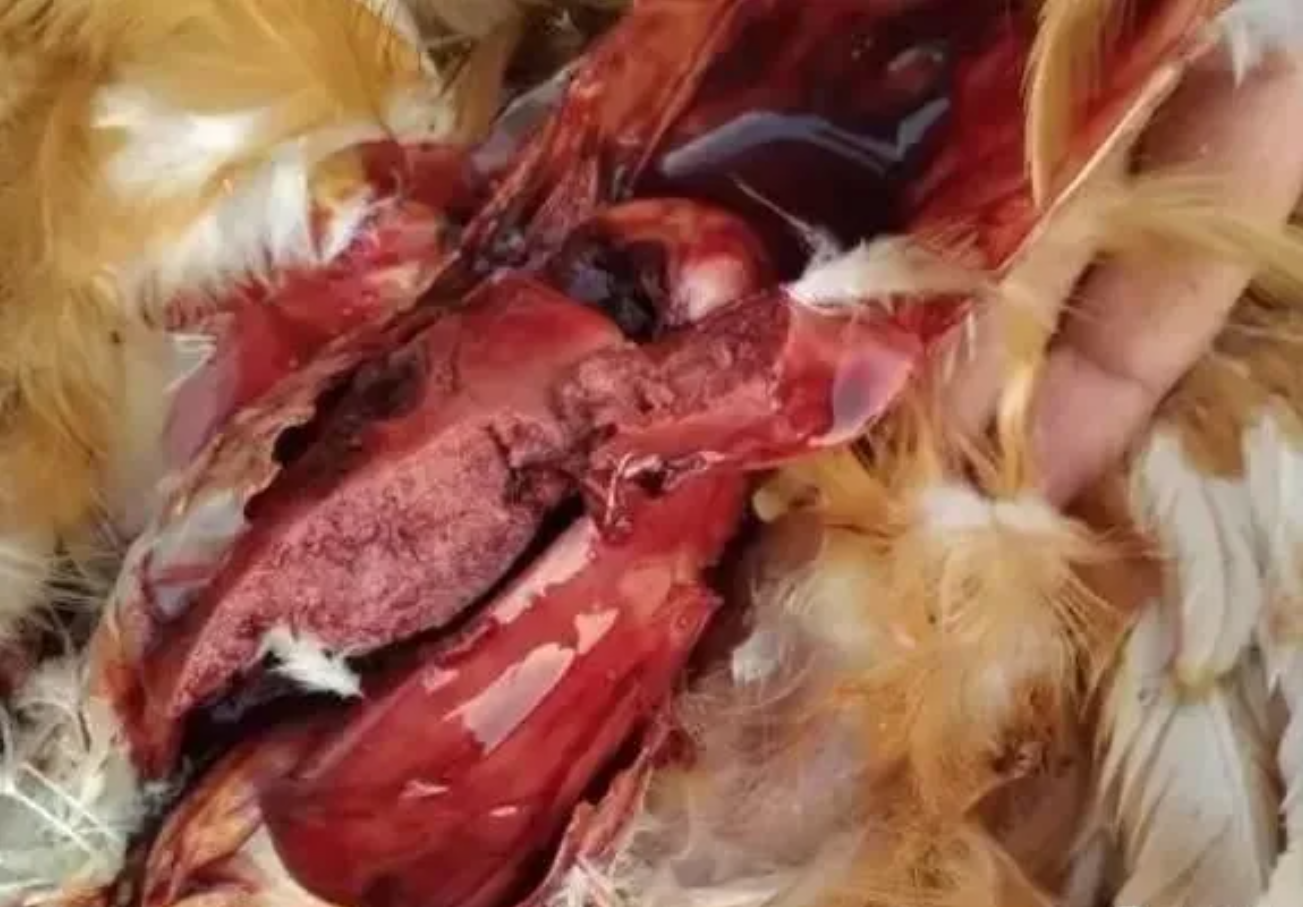
4, bacterial hepatitis:
Salmonella and cholera can both cause liver necrosis; Escherichia coli infection causes perihepatitis, while Campylobacter infection causes vibrionic hepatitis (prevalent year-round).
5, parasitic hepatitis:
Histomonas infection causes cecal hepatitis (prevalent in free-range chicken flocks).
6, feed-related factors:
For example, fatty liver (prevalent in older laying hens and breeder chickens).
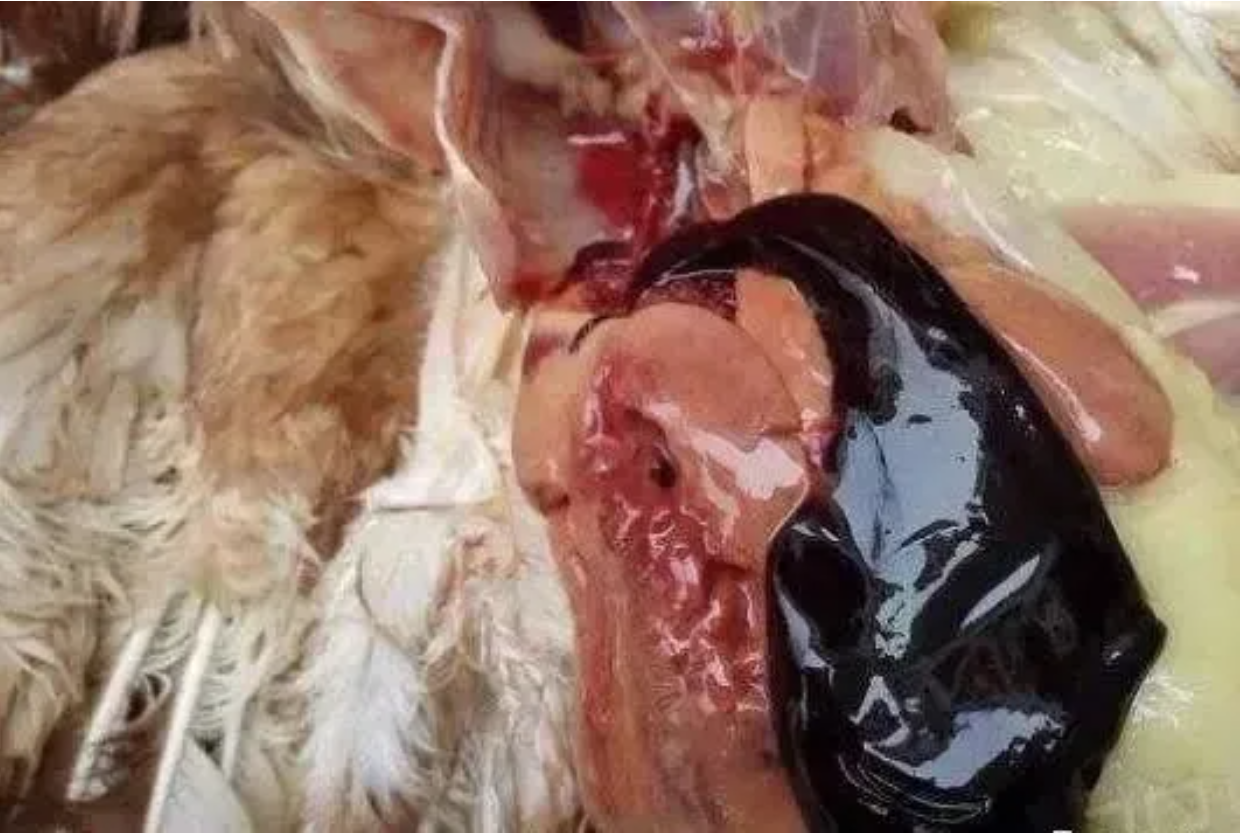
7, duck viral hepatitis is the leading cause of death in ducklings.
Multiple factors can cause liver problems, hence the saying that nine out of ten illnesses damage the liver.
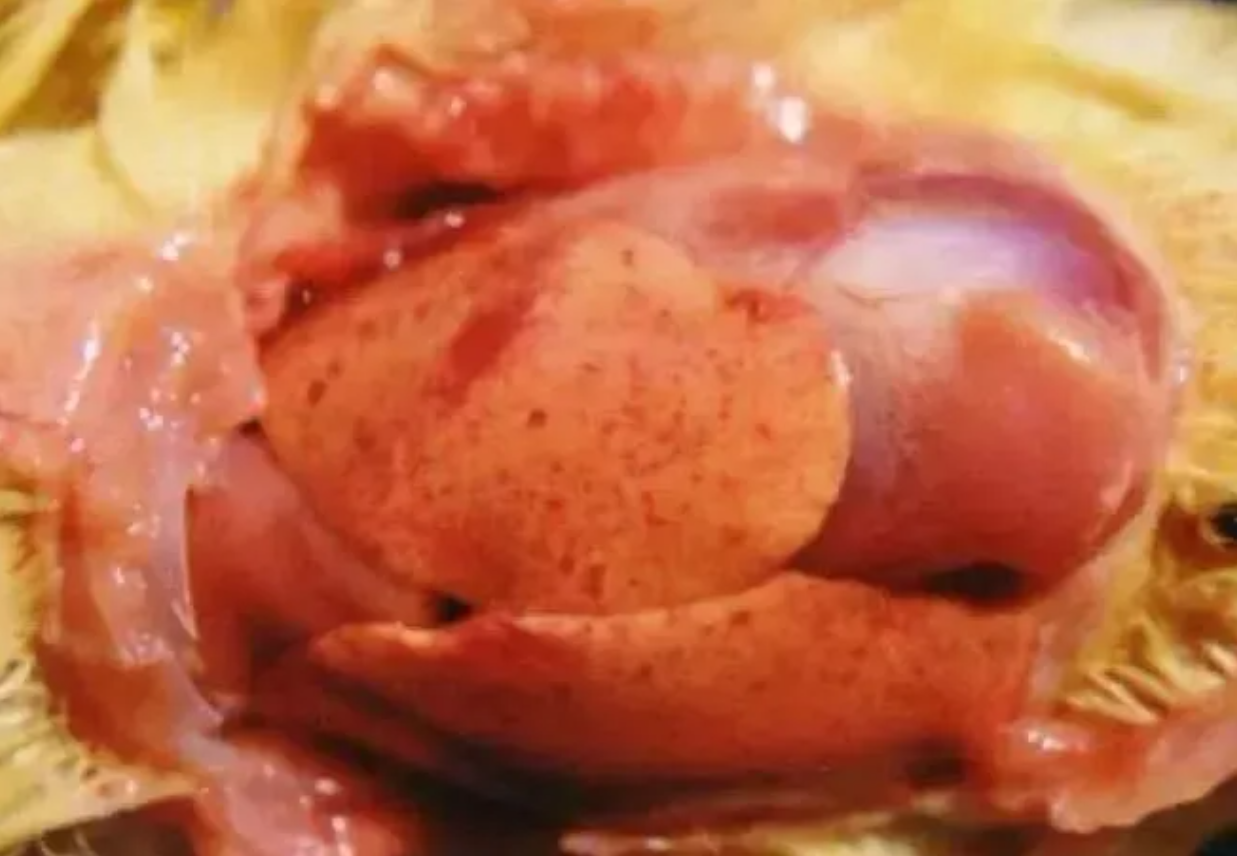
The liver is an important organ in chickens and plays important roles in digestion, immunity, and metabolism. Many chicken diseases manifest in the liver. Learning to examine a chicken’s liver can help identify some common problems.
I. Classification by nature of lesions
1, diseases causing liver enlargement: pasteurellosis and various types of poisoning.
2, diseases causing liver necrosis: histomoniasis and pasteurellosis.
3, liver fatty degeneration: fatty liver, infectious bursal disease, and pullorum disease.
4, liver cirrhosis: ascites syndrome and mycotoxin poisoning.
5, liver tumors: Marek’s disease, lymphoid leukosis, and reticuloendotheliosis.
6, perihepatitis: colibacillosis.
7, liver hemorrhage: heat stress, fatty liver, inclusion body hepatitis.
8, urate deposits: gout caused by various reasons.
II. Classification by etiology
1, viral liver diseases: Marek’s disease, avian influenza, infectious bursal disease, inclusion body hepatitis, lymphocytic leukemia, etc.
2, bacterial liver diseases: colibacillosis, salmonellosis, pasteurellosis, vibrionic hepatitis, aspergillosis, staphylococcosis, etc.
3, nutritional and metabolic diseases and management errors: fatty liver, gout, ascites, vitamin A deficiency, biotin deficiency, heat stress.
4, parasitic diseases: histomoniasis, leucocytozoonosis.
5, toxic diseases: mycotoxicosis, furazolidone poisoning, olaquindox poisoning, ammonia poisoning, sulfonamide poisoning, etc.
Three. Diagnostic approach
1. Use age at onset as a clue: cases occurring at 7~14 days of age are more likely to be salmonellosis; cases occurring at 35~56 days of age should be considered for inclusion body hepatitis. Liver disease in laying hens is mostly due to fatty liver hemorrhagic syndrome caused by metabolic disorders. For tumors, cases occurring at 10~20 weeks of age are more likely to be Marek’s disease, while cases occurring at 24~40 weeks of age should primarily be considered for lymphoid leukosis.
2. Use the morbidity and mortality rates as clues: for example, among tumor diseases, Marek’s disease has a higher mortality rate, while lymphoid leukosis has a lower mortality rate.
3. Use the characteristics of liver lesions as a clue: divide common diseases that cause liver lesions into several groups, then conduct differential diagnosis, taking into account age at onset and lesions in other organs, and rule them out one by one.
4. Use the medical history as a clue: for toxic diseases, ask whether drugs that are prone to causing poisoning were used; for mycotoxin poisoning, ask whether moldy feed was used; for subcapsular liver hemorrhage caused by heat stress, ask whether the temperature in the chicken house was excessively high.
In summary, only a preliminary diagnosis can be made, and symptomatic treatment should be started as soon as possible.
Four. Treatment principles
1. Viral liver disease: antiviral and anti-inflammatory treatment, liver and kidney support, and symptomatic treatment.
2, bacterial liver disease: antibacterial and anti-inflammatory treatment, reduce swelling and stop exudation, protect the liver and detoxify, and provide symptomatic treatment.
3, neoplastic liver disease: purification and prevention, remove affected chickens, and provide symptomatic treatment.
4, parasitic liver disease: kill parasites and eliminate pathogens, protect and nourish the liver, and provide symptomatic treatment.
5, nutritional liver disease: provide complete nutrition, protect the liver and promote diuresis, and adjust the microecology.
6, management-related liver disease: optimize the environment, improve ventilation and air exchange, and provide symptomatic treatment.
7, drug-induced toxic liver disease: stop feed and medication, detoxify and promote diuresis, and provide symptomatic treatment.
8, exudative liver disease: antibacterial and anti-inflammatory treatment, stop exudation, promote absorption, and provide symptomatic treatment.