
Chicken leucocytozoonosis is a seasonal disease of chickens, also known as Leucocytozoon disease, and occurs mostly in late summer and early autumn. Its pathogen is Leucocytozoon caulleryi. This protozoan usually parasitizes the red blood cells and monocytes of chickens, thereby causing anemia. The blood-sucking insects Culicoides midges and black flies spread the pathogen by biting chickens and are the main transmission vectors. Chickens of all ages can be infected, with late-stage growers and laying hens particularly affected. The disease causes a drop in egg production and may even result in death, leading to serious economic losses.
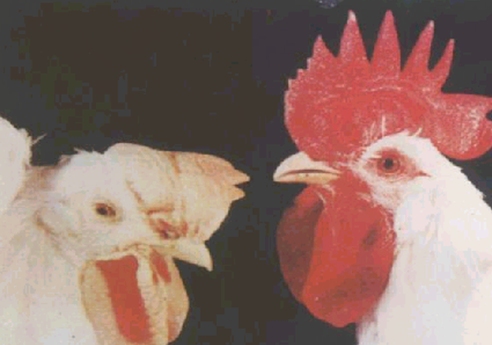
Figure 1
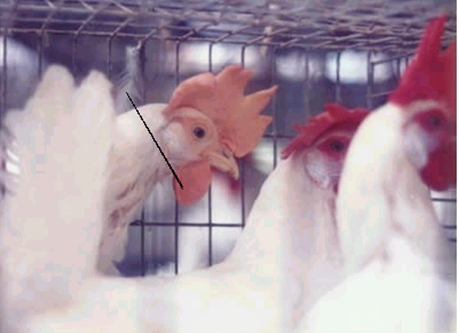
Figure 2
I. Epidemiology
This disease has a pronounced seasonal pattern. In rainy areas of southern China, cases begin to occur in 6; in North China, they occur mostly from 8 to 10. The life cycle of Leucocytozoon has two stages: sexual reproduction and asexual reproduction. Sexual reproduction takes place inside Culicoides midges or black flies, producing infective sporozoites that are distributed into the insects’ saliva. The sporozoites enter chickens when the insects bite or feed on their blood, then parasitize red blood cells and monocytes and begin asexual reproduction, causing disease in the flock.
The incubation period of this disease is 6 to 10 days. Death may occur 1 to 2 days after symptoms appear. Chicks aged 3 to 6 weeks have higher morbidity and mortality rates. Grower chickens and laying hens have lower mortality rates after infection, but egg production in infected laying flocks drops sharply; in severe cases, the decrease exceeds 50%.
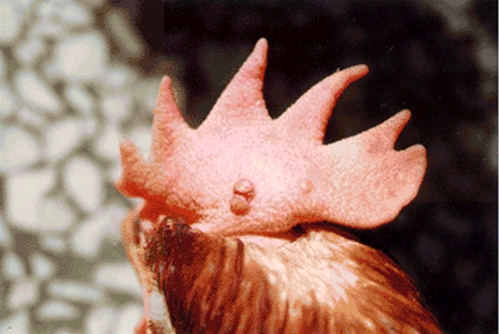
Figure 3: Culicoides midge biting
II. Clinical symptoms
The main symptoms are fading or pale comb and wattle color, a decline in egg production, leg weakness, and the passage of green watery droppings. Appetite decreases or is lost completely; feathers become ruffled, and the birds become thin and weak. They often lie on the ground, followed by sporadic deaths. The daily mortality rate is 1%–2%. Most affected birds have convulsions and spasms before death; in a few birds, mucus flows from the mouth or bleeding occurs from the mouth or nostrils around the time of death. About 10%–20% of the flock show pale combs and wattles; sometimes the base of the comb and wattles is pale, while the upper part is yellow or white. Egg production in laying hens drops sharply. They lay soft-shelled eggs and thin-shelled eggs with red granules on the shells. Some affected birds have diarrhea and pass green or yellowish-green watery droppings; bloody stools are common. Some dead birds have fresh blood or blood-tinged sputum flowing from the mouth.
III. Pathological findings at necropsy
The blood of affected birds is thin, pale in color, and does not clot easily. The muscles are pale. Numerous millet-sized hemorrhages or grayish-white nodules with distinct margins are present in the breast and leg muscles, pancreas, mesentery, outer surface of the intestines, surfaces of the heart, liver, and spleen, and subcutaneous abdominal fat. The liver is enlarged and may have white nodules. The spleen is enlarged by 2–4 times, with hemorrhagic spots and grayish-white nodules that are clearly demarcated from the surrounding tissue. Some dead birds have blood clots or yellow, turbid ascitic fluid in the abdominal cavity, marked pulmonary congestion, blood-tinged mucus in the trachea, enlarged and hemorrhagic kidneys, and hemorrhagic spots and grayish-white nodules in the myocardium. Red hemorrhagic papules may be visible on the oviduct mucosa of some affected birds.
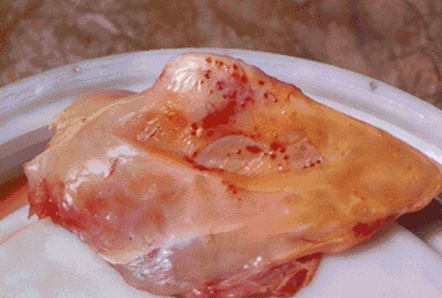
Figure 4: Spherical hemorrhage
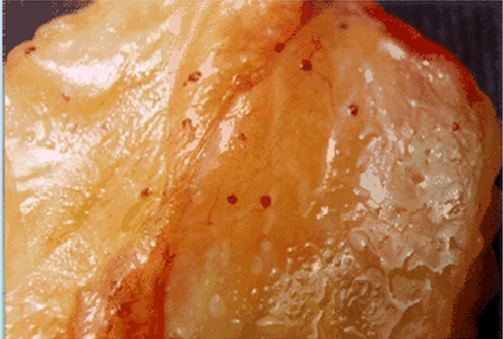
Figure 5: Spherical hemorrhage in fat
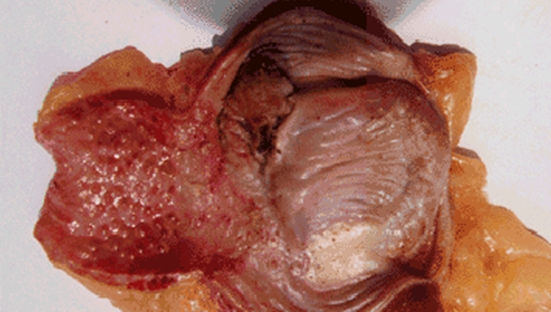
Figure 6: Extensive hemorrhage in the proventriculus
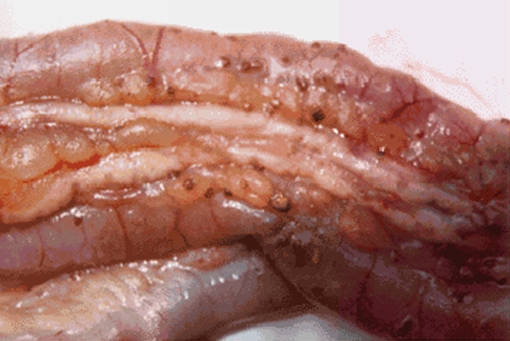
Figure 7: Spherical hemorrhage in the intestinal serosa
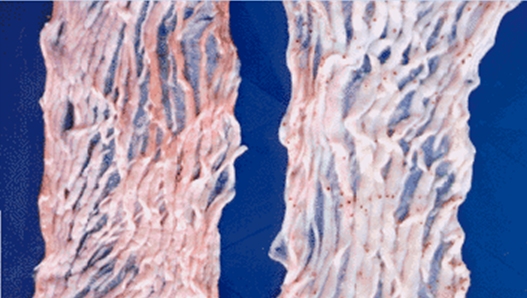
Figure 8 Small spots of hemorrhage in the fallopian tube
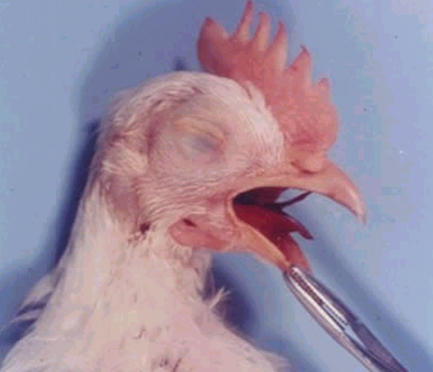
Figure 9 Oral hemorrhage in an affected chicken
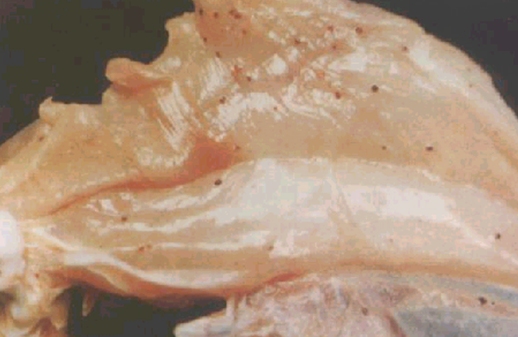
Figure 10 Spherical hemorrhage in the muscle
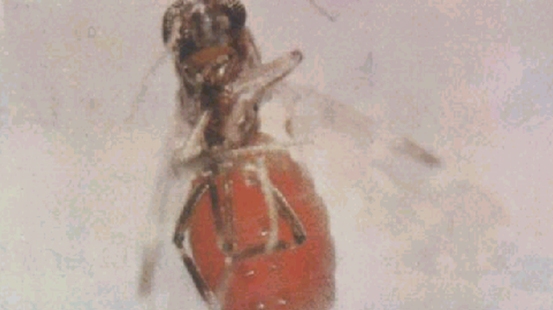
Figure 11 Intermediate host---Culicoides
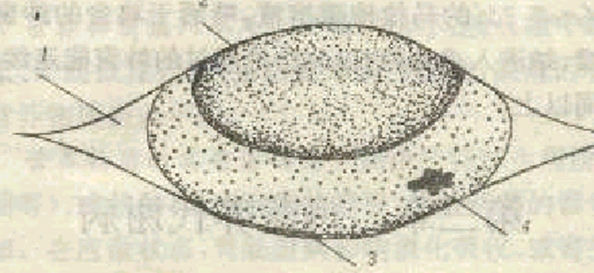
Figure 12 Leucocytozoon caulleryi
IV. Preventive measures
Preventing white-comb disease by interrupting its transmission route is key. During the epidemic season, poultry farmers are advised to spray chicken coops, both inside and out, and screens with products that are less toxic to chickens, such as deltamethrin or malathion, to kill mosquitoes and other insects. Remove weeds around the coops, level foul, contaminated ditches, and keep manure piles away from the chicken farm to reduce insect breeding and interrupt transmission.
Five. Treatment measures
Once the disease is confirmed, treatment should begin immediately.
1. Administer sulfadimethoxine or sulfamonomethoxine to the affected flock in drinking water for 4–5 days, stop for 2 days, then administer for another 4---5 days; alternatively, use a six-day course, administering double doses on days 1 and 2, normal doses on days 3 and 4, and preventive doses on days 5 and 6.
2. While administering sulfonamides, add an equal amount of baking soda or kidney-support medication to the drinking water to alleviate the toxic side effects of sulfonamides.
3. At the same time, mix vitamin K3 powder into the feed (5 mg/kg) and administer for 10 days to alleviate bleeding symptoms in affected chickens.
4. If a sick chicken has reduced or no appetite, use diquinoline hydrochloride, 1 milliliters per vial (containing 0.25 grams of medication); inject 0.25 milliliters into each chicken’s breast muscle once a day for 4–5 days.
5. At the same time, disinfect inside and outside the chicken coop by spraying deltamethrin to kill insects such as biting midges and black flies, continuing for 1 weeks. Install screens on the coop’s doors and windows to keep biting midges out. In small coops, mosquito coils can be lit at night to repel mosquitoes.
In short, eliminating biting midges is an important part of controlling this disease. Another key point is early detection. Treatment is generally most effective just before an outbreak or in its early stages, and recovery can be achieved in 7–10 days. Once the parasites have extensively attacked the blood cells in the later stages of infection, treatment is generally not very effective.