
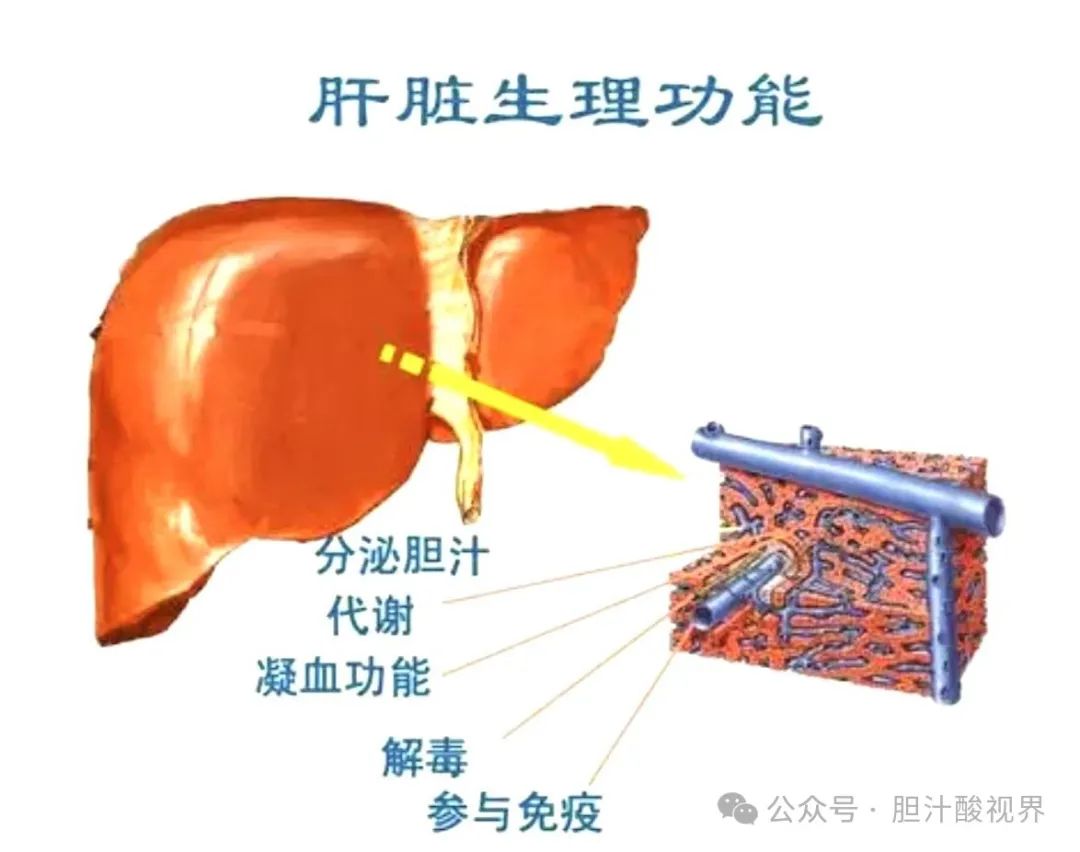
The liver is the largest digestive gland in laying hens and a key organ for the metabolism and conversion of substances and energy. It plays a role in nutrient digestion and absorption, detoxification, and immunity. A healthy liver is vital for laying hens to maintain peak egg production and laying rate.
(Image source: Internet)
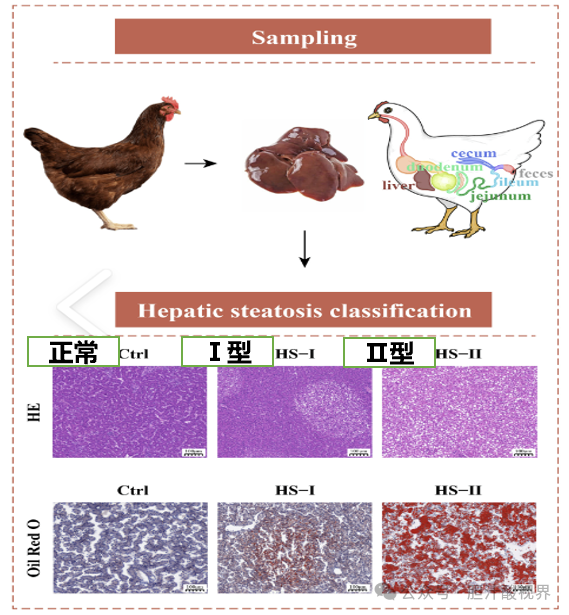
Common liver damage issues in laying hens 1. Fatty liver caused by nutritional metabolic disorders: Excessive dietary energy intake or insufficient energy conversion can obstruct fat transport, leading to excessive fat accumulation in the liver and affecting the synthesis of lipoproteins and yolk precursors, thereby affecting egg quality and egg production; meanwhile, seasonal diet adjustments can also cause an imbalance between protein and energy, leading to nutritional metabolic disorders.
(Image source: Yang Ning et al.)
2. Effects of disease: Diseases caused by certain bacteria, viruses, and other pathogens, such as adenovirus disease (inclusion body hepatitis), can significantly affect laying rate and eggshell quality. Meanwhile, some immunosuppressive diseases, such as Marek's disease, can cause secondary liver damage from endotoxins produced during metabolism in the body.
3. Liver rupture: The liver tissue of laying hens is fragile. Fat accumulation and oxidative stress caused by mycotoxins can increase its fragility. Combined with external environmental stress (such as fright), this makes liver rupture more likely.
4. Mycotoxins in feed: During the metabolism of mycotoxins in the liver after they enter the body, large amounts of free radicals are produced, damaging the integrity of liver cell membranes and leading to degeneration and necrosis of local cells. This in turn affects the metabolism, absorption, and utilization of nutrients, resulting in reduced production performance. Strategies for addressing liver problems
1. Balance energy and fat in the diet. Adjust feed formulations at the appropriate time to ensure that laying hens receive balanced nutrition. Adding an appropriate amount of oil to the diet in place of corn can help maintain liver health.
2. Enhance liver fat transport and metabolism. Supplementing with bile acids can effectively promote the emulsification and absorption of fat in the body and protect the liver and gallbladder through enterohepatic circulation (stimulating bile secretion, facilitating bile flow, and removing harmful substances such as mycotoxins and endotoxins).
3. Eliminate the effects of dietary mycotoxins. Mycotoxins present in feed can lead to declines in multiple aspects of laying hen performance. Measures such as optimizing raw material screening, strengthening storage controls, and adding mold inhibitors and mycotoxin binders can reduce mold growth and the harm caused by mycotoxins.
4. Strengthen husbandry management. Appropriate environmental control (such as regulating temperature and humidity, managing ventilation, controlling lighting, and cleaning water lines), disease prevention and control (including vaccination, sanitation and disinfection, and disease monitoring), and stress management measures (reducing noise, startling, and heat or cold stress) are essential to ensuring the health and performance of laying hens.