
Mite infestations are common in laying hen production. Because awareness of parasite prevention is low and the impact on production performance is not well understood, mite problems are easily overlooked. They are often misdiagnosed in clinical practice, delaying treatment and causing economic losses, which creates considerable difficulties for farms and veterinary workers. Here, we would like to share the harm caused by mite infestations in laying hens during production and the measures for prevention and control.
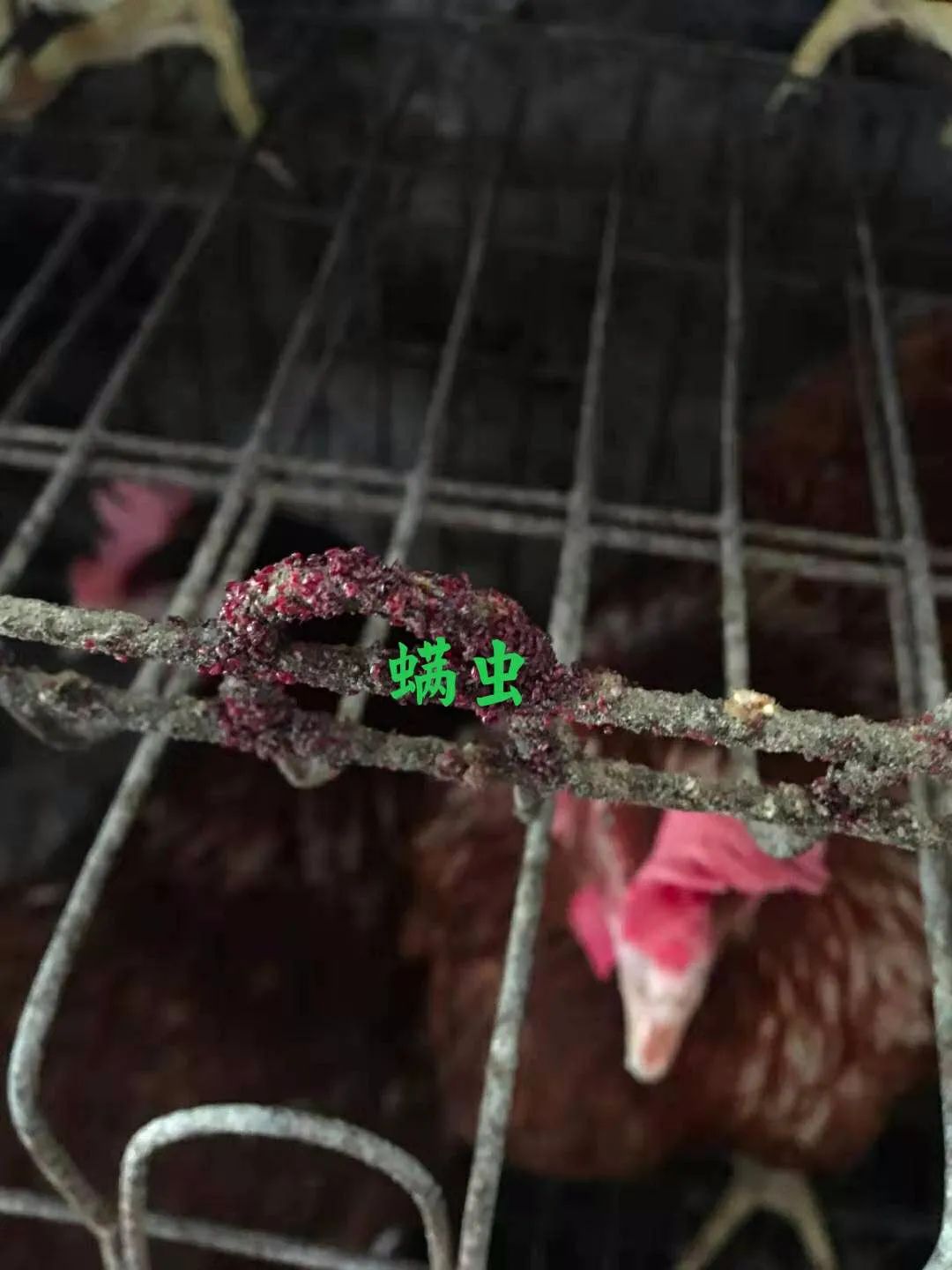
Mite infestations in laying hens occur throughout the year and are particularly severe during hot seasons. Mite infestation can cause itching and restlessness, pale combs, reduced egg production, and paler eggshells. In severe cases, it can cause anemia and weight loss, and may even lead to exhaustion and death.
Each mite consumes more than 10 times its body weight in blood. When a chicken is infested with mites, ongoing blood loss increases feed consumption. At the same time, effective antibodies against avian influenza and Newcastle disease are continually lost from the blood, causing antibody titers to keep declining. Mites continually bite chickens and can transmit viruses such as Newcastle disease, as well as bacterial diseases caused by Escherichia coli and Salmonella, leading to the repeated use of medication.
In poultry houses with severe mite infestations, workers may be bitten while vaccinating, collecting eggs, or feeding the chickens. This causes itching and affects their mood at work, and may even spread zoonotic diseases.
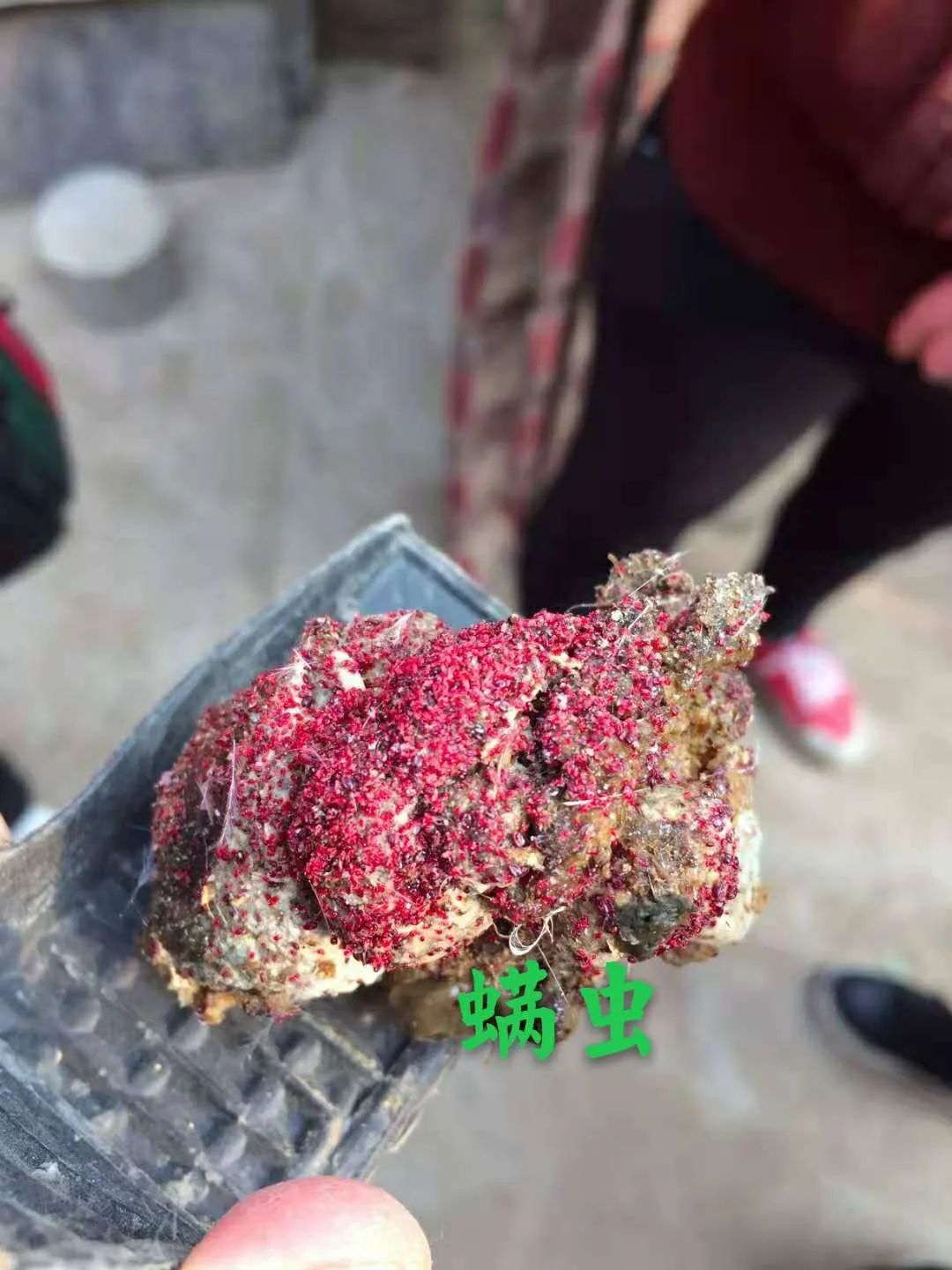
Prevention and control measures:
1, maintain hygienic conditions in the poultry house, remove chicken manure promptly, and disinfect the poultry house and control flies regularly. A clean environment can effectively prevent mite infestations in laying hens.
2, manage feed properly and ensure it is dry and clean. Prevent feed contamination by bird droppings, foot pads, or the surrounding environment.
3, during routine poultry management, monitor the flock for signs of illness and watch for changes in the chickens, such as pale combs, a decline in egg production, or lighter eggshell color. If mites are found in the flock, take action immediately; the sooner they are addressed, the better the disease can be controlled.