
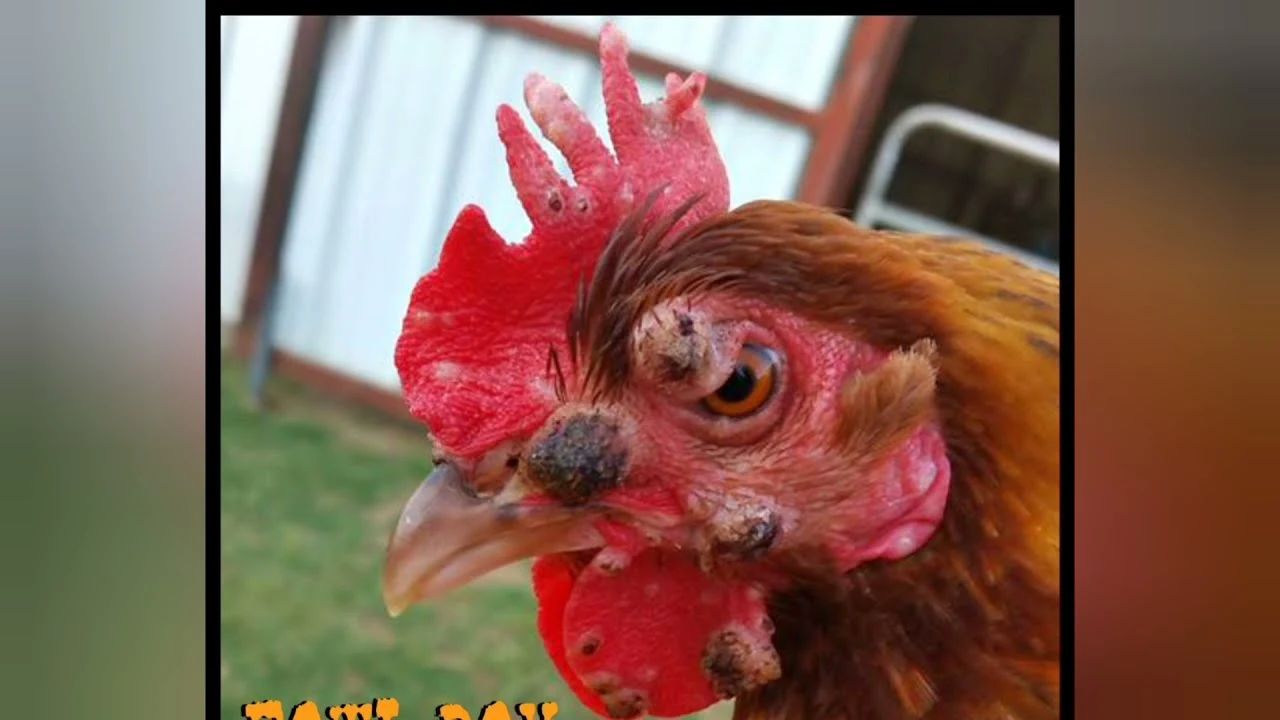
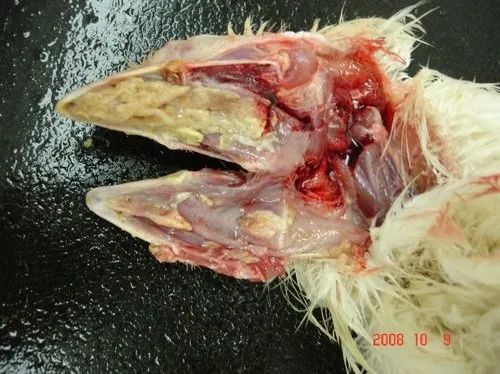
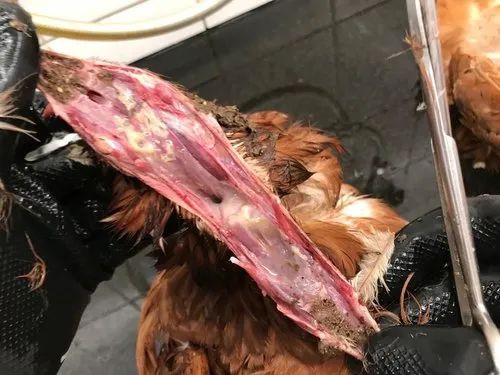
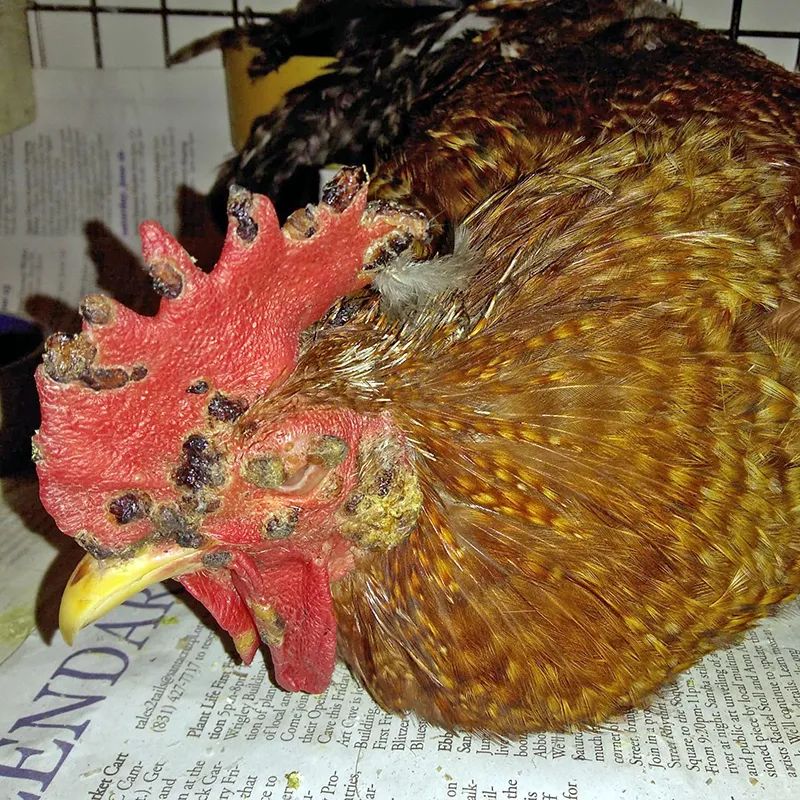
Fowlpox, also called avian pox, is a slowly spreading viral disease of chickens. It is characterized by proliferative nodular lesions or scabs on the head, comb, eyelids, and wattles (dry fowlpox), as well as diphtheritic yellow lesions in the mouth, esophagus, and upper trachea (wet fowlpox or avian diphtheria).
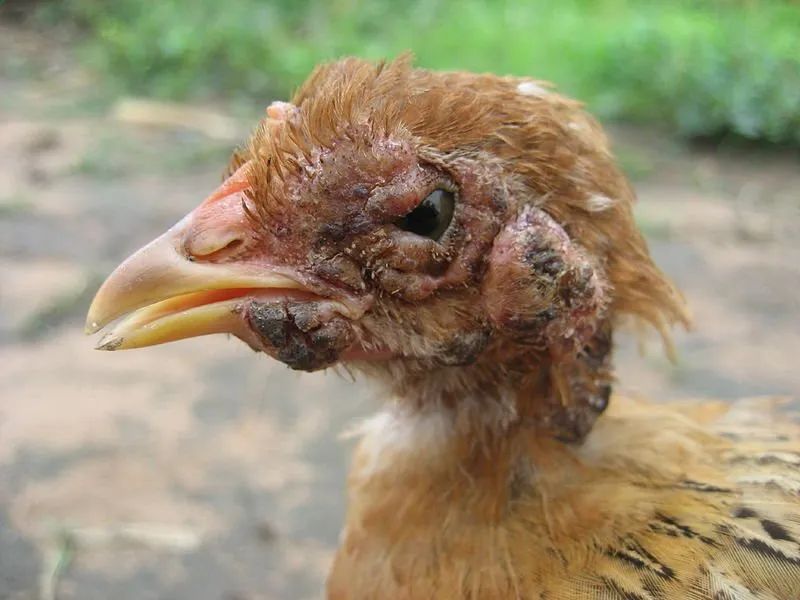
The disease is transmitted mechanically, either through direct contact between chickens or by mosquitoes and other biting insects, such as chicken mites.
Infection through aerosols of fowlpox virus carried in dry scabs or feathers may also occur.
In cage systems, transmission may be very slow.
Fowlpox is widespread around the world, especially in tropical regions and on farms with high stocking densities and flocks of multiple ages.
Immunosuppressive infections caused by Marek’s disease virus or chicken anemia virus make chickens more susceptible to fowlpox.
Stressors such as moving flocks and the onset of laying can also reduce flock immunity.
Fowlpox virus (FWPV) is a member of the genus Avipoxvirus, belonging to the family Poxviridae. It is a large DNA virus with strong resistance to environmental conditions.
FWPV can survive for several months in dry scabs. The virus can also infect turkeys.
— 1 —
Clinical symptoms
Lesions of the beak, tongue, throat, esophagus, and upper trachea can affect feed intake, water consumption, and breathing, resulting in decreased egg production. The mortality rate is usually low.
— 2 —
Diagnosis
Microscopic lesions (cytoplasmic inclusion bodies) are characteristic of this disease.
Visible lesions, especially those associated with the wet form, may be confused with the symptoms of infectious laryngotracheitis or infectious coryza in chickens.
A definitive diagnosis can be made by PCR testing. PCR can also be used to distinguish wild-type strains from vaccine strains.
The preferred method for serological testing is ELISA.
— 3 —
Prevention and vaccination
Good biosecurity measures, thorough cleaning and disinfection, and control of biting insects can reduce FWPV infection pressure.
Vaccination is the second line of defense.
Vaccination is usually administered between 12–16 weeks of age using the wing-web method with a bifurcated needle.
In areas with high infection pressure, an additional dose is administered early on.
Sometimes, the fowlpox vaccine is mixed with the Marek’s disease vaccine and administered at the hatchery.
Maternal antibodies may interfere with the vaccine’s immune response.
Chickens that are already immune will also show no reaction, but the most common reason for vaccination failure is improper administration.
Immune response should be checked 7–10 days after vaccination; a scab should be visible at the vaccination site.
Emergency vaccination can be carried out in the early stages of an infection to prevent the outbreak from spreading.
A recent new type of vaccine is the live vector fowlpox recombinant vaccine.
Note: This article is quoted from Hendrix Genetics Han Dekesi