
Looking back at the prevalence of poultry diseases in China over the past few years, the disease with the highest profile has been “chicken Mycoplasma synoviae disease.” Its approximate history of prevalence in China is as follows: it occurred sporadically in broilers around 2011 and spread rapidly; by 2013, it had begun to occur sporadically in layers, but spread relatively slowly. It did not begin to become prevalent until 2014. To date, its prevalence and rate of spread continue to rise, making it one of the few diseases with a long period of prevalence. Most poultry diseases follow a general pattern: “broilers first, layers later”—that is, the disease becomes prevalent in broilers first, and only 1-2 years later in layers. In addition, in China, a disease (or strain) generally remains prevalent for about 2-3 years. Mycoplasma synoviae is still showing an increasing trend.
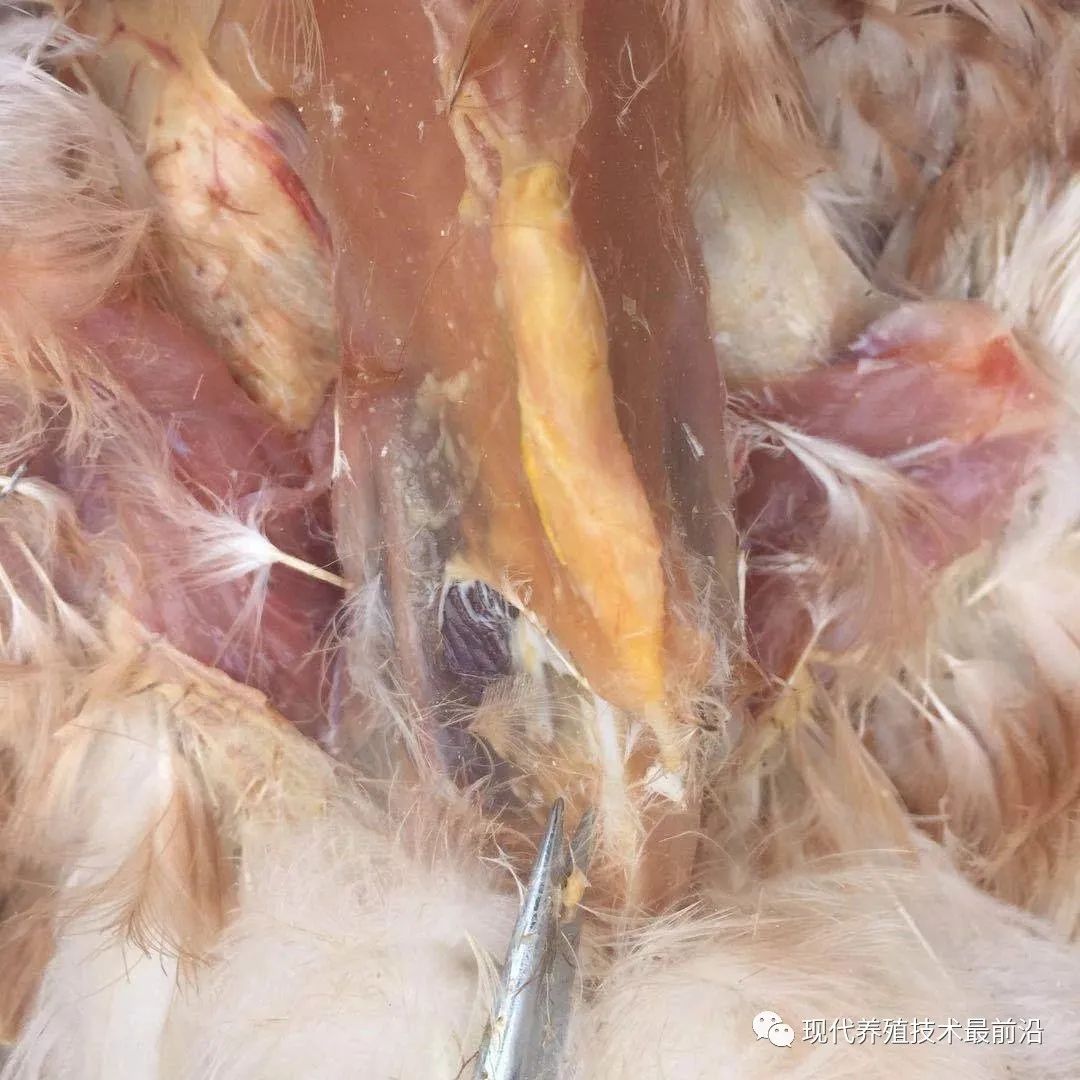
Because the disease develops slowly and runs a long course, once it infects a flock, eradication is very difficult. As a result, it spreads in flocks over a long period, leading to poor feed efficiency, slow growth and development, higher culling rates, and reduced egg production. If the pathogen is present in a flock, mixed infections can occur more readily, aggravating the disease and increasing mortality, resulting in serious economic losses.
What is this disease, with such “remarkable vitality and prolific reproduction,” all about? What causes it? How can it be prevented and controlled?
一、What is chicken synovitis?
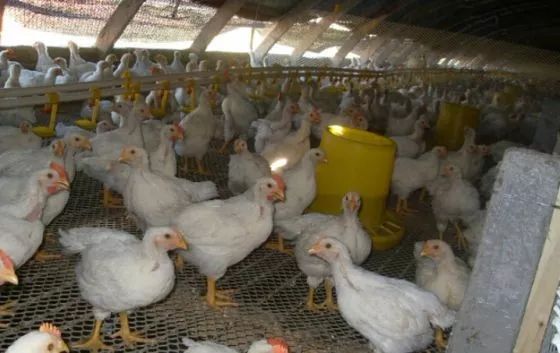
Mycoplasma synoviae disease in chickens is an infectious disease of young chickens caused by Mycoplasma synoviae, also known as infectious synovitis of chickens. Chickens older than 12 weeks of age are rarely affected; the disease is most common in chickens aged 9-12 weeks. The morbidity rate is 5%-10%, and the mortality rate is generally below 10%, although it can reach around 75% in severe cases. Affected chickens may have shrunken, pale combs; become isolated from the flock and prefer to lie down; tuck their heads in and close their eyes; grow slowly; have ruffled feathers; show a slightly splayed gait and lameness; and become anemic. They may pass green droppings, develop ascites, and lose weight. The area around the joints often becomes swollen, especially around the hock and toe joints. The swelling can sometimes reach the size of a pigeon’s egg and feel fluctuant to the touch. In the late stages of the disease, joints become deformed, and the birds remain lying down and cannot get up. Although they have an appetite, they become extremely emaciated because they cannot reach feed, and eventually die from exhaustion or concurrent diseases. Egg production in hens may decrease by 20%-30.
Mycoplasma synoviae is a microorganism intermediate between bacteria and viruses, with two main characteristics:
1, it is very fragile outside the chicken:
①Under normal conditions, it can survive in the air for only two days.
②It is highly sensitive to any disinfectant or most antibiotics; even soapy water can kill it.
③Its in vitro culture requirements are demanding, so producing a truly effective vaccine is very costly.
2, it is very resilient inside the chicken:
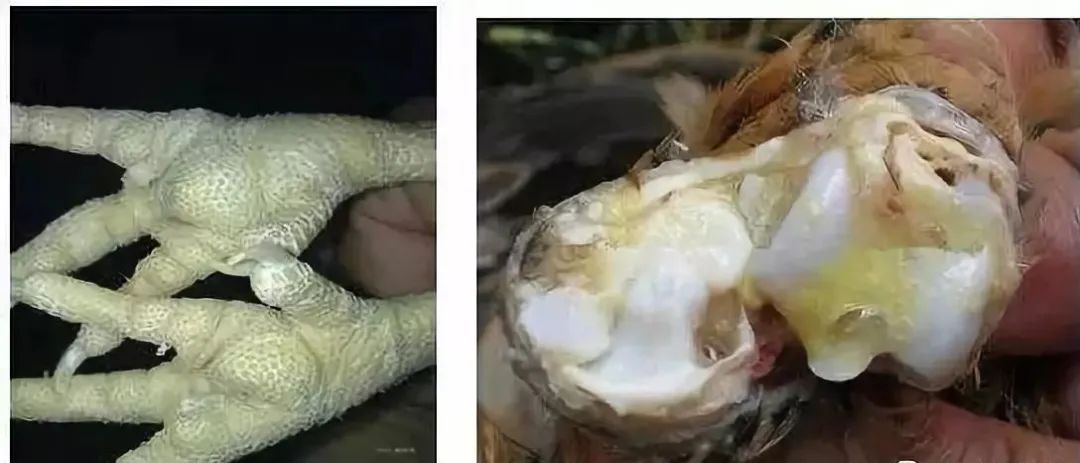
The main sites affected are the keel, hock joints, and footpads. These areas have poor blood circulation, and many drugs have difficulty reaching them via the bloodstream, so once infected, Mycoplasma synoviae is very persistent.
II. What is the disease progression?
The disease progression of Mycoplasma synoviae infection in chickens has three steps: first, the pathogen is present; second, it enters the chicken; third, it reaches the target organ.
First, where does the pathogen come from?
The three main sources of Mycoplasma synoviae:
(1) Breeder-source contamination: vertical transmission to chicks.
(2) Vaccine contamination: vaccines contaminated with Mycoplasma synoviae.
(3) Environmental contamination: the pathogen is present at the affected farm itself, or has spread there through other routes.
Second, how does it enter the chicken’s body?
As the saying goes, “disease enters through the mouth.” The three main entry routes for Mycoplasma synoviae are:
(1) Respiratory entry: ① Pathogens in the environment enter the respiratory system directly through airborne transmission; ② contaminated live vaccines enter the respiratory system directly or indirectly during intranasal, ocular, drinking-water, or aerosol immunization.
(2)Digestive tract entry: Pecking at contaminated material allows it to enter the digestive system, such as feces from sick chickens or feed pecked at by sick chickens.
(3)Bloodstream entry: ① Vertical transmission: breeding chickens in the previous generation that are diseased or carry the pathogen transmit it through the bloodstream, allowing it to enter the chicks directly; ② Contaminated syringes, needles, or wing-web inoculation tools enter the bloodstream directly during immunization.
Third, reaching the target organs—where does it go?
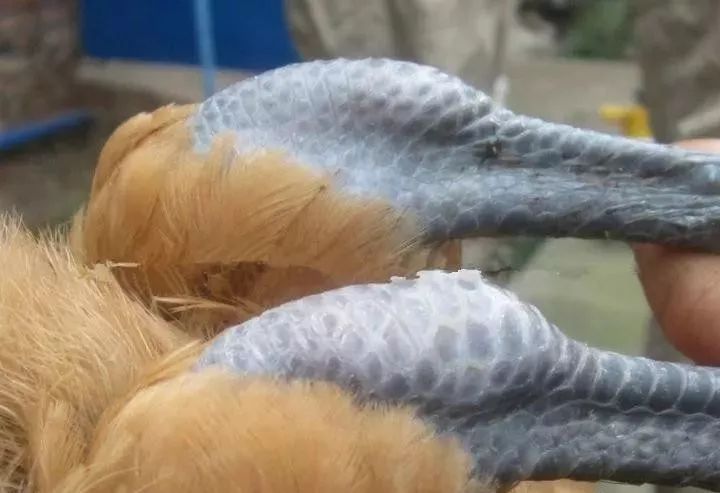
The main target organs affected by Mycoplasma synoviae are the keel, hock joints, and footpads.
III. What causes the disease?
The causes of Mycoplasma synoviae disease are:
First, there is a main culprit and an accomplice; both are indispensable. The main culprit is the Mycoplasma synoviae pathogen, and the accomplice is any factor that reduces the flock’s resistance.
Second, when the attack strength of the main culprit + accomplice > the flock’s resistance, the flock becomes ill.
Third, the rapid development of the pullet industry may have contributed to the spread of MS. Transportation and stress from the new environment reduce the flock's disease resistance: it is undeniable that, like Mycoplasma and E. coli, MS is an opportunistic disease. The large-scale, long-distance, cross-regional transport and sale of pullets not only expands the range of disease transmission, but long-distance transport during the 4~16 weeks, when acute disease is most likely to occur, is bound to promote the occurrence of this disease (some flocks show no disease at the pullet farm but become ill after arriving at the customer's farm). Poor adaptation to a new environment and new cages also affects the health of the flock.
Fourth, high-density, intensive production favors the spread of MS. Compared with traditional individual brooding operations, pullet farms generally keep larger flocks at higher stocking densities. Under these circumstances, even a slight lapse in management or inadequate biosecurity measures could allow a small outbreak to spread widely.
IV. How great is the impact of the disease?
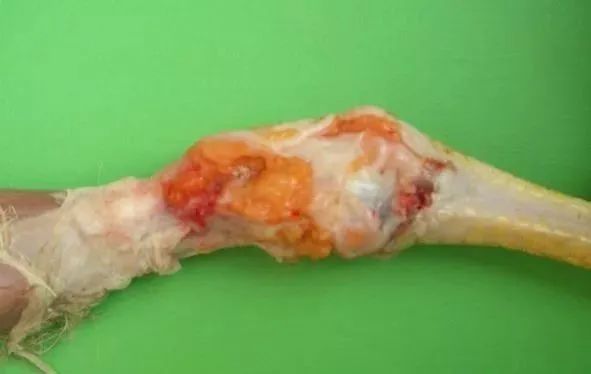
Direct impact: Affected birds experience pain or paralysis due to keel cysts, swollen joints and footpads, and inflammation of the synovial sacs and tendons. This in turn affects feed intake and results in low body weight and poor uniformity. The disease is chronic and debilitating. Because affected birds fall seriously short of target body weight, the culling rate is 5-20%; the disease rarely causes death directly. Mortality increases noticeably only when E. coli infection occurs secondarily. In such cases, E. coli—not Mycoplasma synoviae—is the direct cause of death.
Indirect impact: It affects body weight and uniformity, thereby indirectly affecting the laying rate, by approximately 5-10%.
V. How is the disease diagnosed?
There are two purposes in diagnosing synovitis: accurately diagnosing affected birds and determining whether they carry the pathogen.
1, Is it easy to diagnose affected birds?
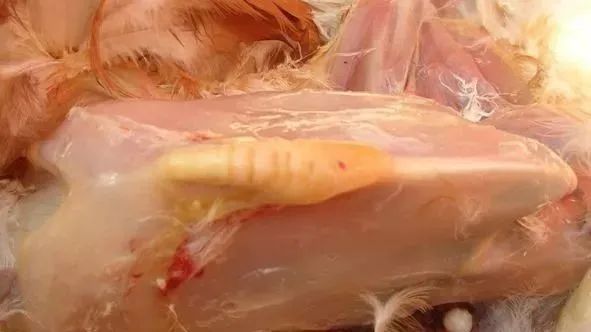
At necropsy, in most cases during the early stage of the disease, marked swelling is present in the joints and tendon sheaths, with a viscous, cheese-colored to grayish-white exudate. In long-standing cases, the exudate becomes caseous. The surfaces of infected joints are often yellow or orange-red. Characteristic exudate is more abundant in the hock joints, wing joints, or foot pads. The synovial membranes are thickened, and the joints are enlarged and prominent.
Histopathological examination: Heterophils and fibrin infiltration can be seen in the joint cavities and tendon sheaths, especially in the toe and hock joints. The synovial bursa membranes show villous formation, along with nodular infiltration and proliferation of lymphocytes and macrophages in the sub-synovial layer.
Hematological examination: The total red blood cell count and hemoglobin level are reduced, and abnormal-shaped and abnormally stained red blood cells are present. The total white blood cell count is significantly elevated; lymphocytes and eosinophils are reduced, while neutrophils and monocytes are increased.
2, how can you determine whether a bird is carrying the pathogen?
① Affected chickens, whether or not they recover, carry the pathogen for life. This is now a consensus, but patterns of pathogen shedding are still being studied.
② Chickens that have not shown signs of disease need to be tested for the pathogen regularly to determine scientifically whether they are carriers. Throat or cloacal swabs are generally collected, and testing is performed by PCR or pathogen isolation and culture. PCR testing is relatively faster and lower in cost, while pathogen isolation and culture are more difficult to perform and more costly.
VI. How can it be effectively controlled and prevented?
It must be emphasized that mycoplasma synoviae disease has persisted for 8 years. It has not been effectively controlled and is instead showing a trend of accelerating spread, whereas other poultry diseases can generally be effectively controlled within 2-3 years. This clearly shows that the disease is difficult to control with just one or two simple methods. An effective control plan must be developed scientifically and rationally based on the characteristics of Mycoplasma synoviae, the course and causes of the disease, and the specific characteristics of the farm.
1, overall approach
The overall approach is: “eliminate the real culprit + control the accomplices”
2, what are the methods for eliminating the real culprit?
(1) Eliminating the real culprit outside the body: Make full use of the fact that Mycoplasma synoviae is “very fragile outside the chicken.” Isolation, cleaning, disinfection, drying, and other methods are all effective ways to eliminate the real culprit outside the body.
(2) Eliminating the real culprit inside the body: immunization + medication
Age in days at first preventive medication = earliest susceptible age − number of days required to achieve an effective blood drug concentration
Number of preventive medication administrations = susceptible age range ÷ number of days for which an effective blood drug concentration is maintained
3, what should be noted when controlling accomplices inside the body?
Why did prevention still fail despite using many preventive medications? The reason is that the contributing factors were not effectively controlled. The four common contributing factors are poor ventilation, heat or cold stress, immune stress, and poor-quality feed.
To control these contributing factors, two things need to be done:
First, reduce the likelihood of these contributing factors occurring and lessen their impact.
Second, use functional medications as an aid at critical times to improve the flock’s physical condition.
Strengthen husbandry management
Provide a suitable rearing environment, maintain good ventilation while preventing the flock from getting chilled, reduce stress, adopt an all-in/all-out rearing system, increase the interval between batches, and strengthen disinfection and monitoring to reduce the likelihood of this disease occurring.
Strengthen litter managementThe severity of Mycoplasma synoviae disease is generally proportional to inadequate litter management. After an outbreak, poor litter management can greatly increase the culling and mortality rate. Therefore, litter management should be improved to prevent damp litter from causing high ammonia concentrations in the poultry house, which can trigger Mycoplasma synoviae infection.
Control mold and mycotoxins
Controlling mold and mycotoxins and improving the body's immunity are effective measures for preventing Mycoplasma synoviae.