
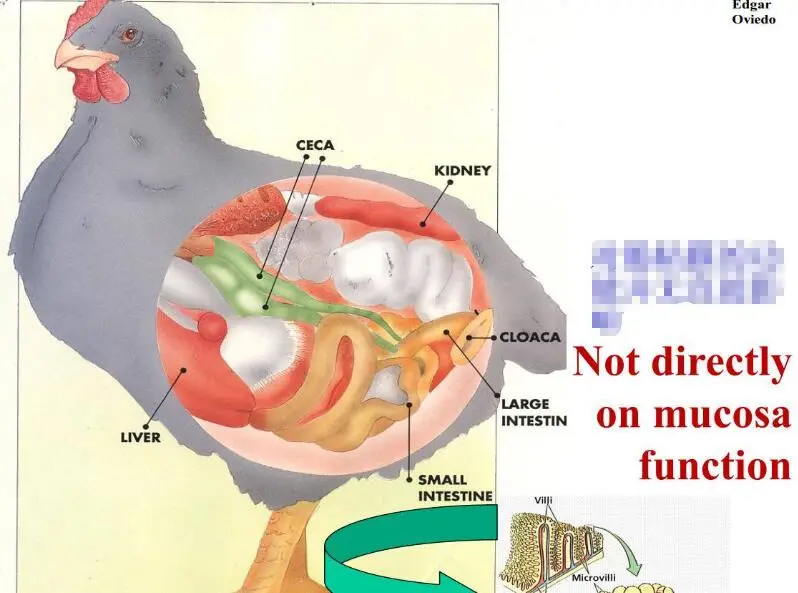
I. Functions of the poultry intestine
1, Digestion and absorption of nutrients
Intestinal health directly affects poultry growth and development. A healthy intestine can effectively absorb nutrients from food, providing the energy and nutrition necessary for growth and development.
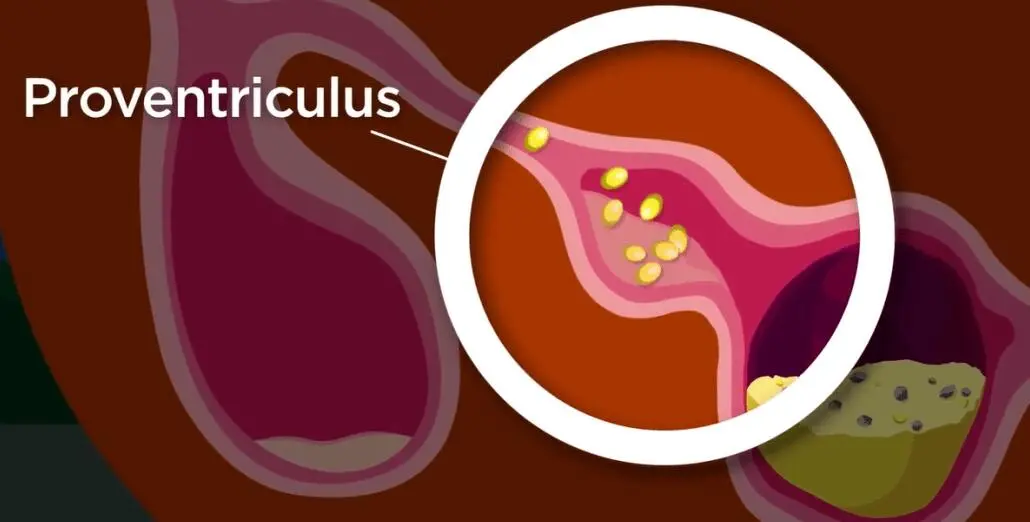
2, Immune barrier function
As the largest immune organ in the animal body, the intestine has the dual tasks of tolerating dietary antigens and providing immune defense. The intestinal immune defense system is mainly composed of gut-associated lymphoid tissue, which is the body's largest lymphoid organ and an important mucosa-associated lymphoid tissue. It is the first line of defense against pathogens entering the body during rearing. Intestinal lymphoid tissue is mainly composed of lymphocytes distributed in the lamina propria and submucosa of the intestinal mucosa. The well-developed intestinal lymphoid tissue in poultry makes up for their lack of lymph nodes. The main effector in the intestinal immune response system is secretory immunoglobulin A (sIgA), secreted by plasmablasts. It can bind strongly to antigens, preventing harmful antigens such as viruses and bacteria from adhering to the intestinal epithelium, and subsequently triggering humoral and cellular immunity in the intestine, ultimately enabling the effective immune exclusion or clearance of harmful antigens.
3, Preventing the invasion of pathogenic microorganisms
Gastric acid, lysozyme, and other substances secreted by the gastrointestinal tract can kill or dissolve these pathogenic microorganisms, reduce their activity, and prevent their colonization, thereby protecting the intestine. Thus, pathogen invasion of the intestine is like a struggle against the intestine. When the intestine is healthy, it is difficult for pathogens to enter the body. If the intestinal mucosal tissue is damaged or becomes thinner, the intestine's secretory capacity weakens, and the amounts of digestive fluids, lysozyme, and other substances that protect the intestine decrease substantially, giving pathogenic microorganisms an opportunity to invade.
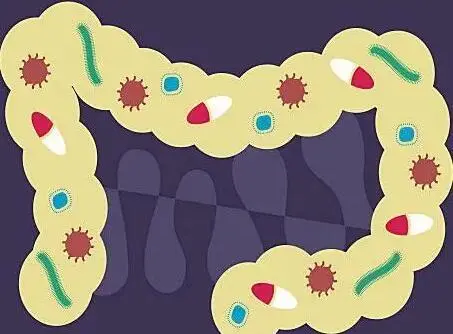
Two. Causes of intestinal disease
1, Feed-change stress
When changing feed pellets or switching to feed from a different manufacturer without a transition period, the flock may not adapt in time. This can damage the intestinal mucosa and cause diarrhea. A transition period of at least 3~5 days is recommended to let the flock gradually adapt and reduce intestinal stress. Do not casually switch to feed from different manufacturers for the same flock, as differences in raw material formulas and odors may stress the flock and cause intestinal problems.
2, Unclean water source
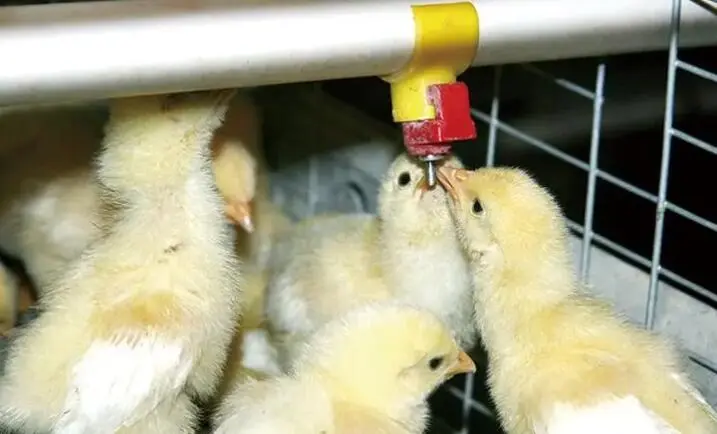
Poor water quality or drinking equipment that has not been cleaned for a long time can result in a high bacterial count in the water. If the flock drinks contaminated water, it may develop symptoms of enteritis, including diarrhea. Use a clean water source; where possible, test the bacterial count.
Drinking systems such as water buckets and water lines should be cleaned promptly. Commercial water-line cleaners may be used.
3, Poor feed quality
Poor-quality feed lacks nutrients. Low-quality feed contains too much crude fiber and lacks VA and VE, which can damage the intestinal mucosa and cause diarrhea.
4, Rearing environment issues
A damp, overcrowded rearing environment, poor ventilation, dirty facilities, and other conditions can lead to the growth of bacteria and viruses, causing disease and triggering intestinal inflammation and diarrhea.
5, Mycotoxins
Mycotoxins are highly corrosive to the gastrointestinal mucosa. Excessive levels of mycotoxins can damage the intestinal mucosa and cause symptoms of enteritis.
6, Glandular and muscular stomach inflammation
In flocks of chickens with glandular and muscular stomach inflammation, the glandular stomach and gizzard develop erosions and ulcers, affecting feed digestion and absorption and irritating the intestinal mucosa. This leads to poor digestion and absorption and feed-like droppings.
7, Disease factors
Infections such as coccidia, Clostridium perfringens, viruses, and bacteria damage the intestinal structure, causing intestinal mucosal shedding and thickening, intestinal bleeding, and intestinal bloating. Mild cases produce unformed droppings; severe cases produce yellow-green or red droppings, or meat-like tissue in the droppings, and may even cause death.
8, antibiotic misuse
Overuse of antibiotics reduces beneficial gut bacteria, disrupts the balance of the gut microbiota, and affects digestive function.