
An Illinois facility associated with the second-largest egg producer in the United States has culled nearly 935,000 chickens, raising concerns about poultry safety, egg supplies, and the continued spread of the H5N1 virus.
↓
Nearly 100 million chickens culled!The largest poultry outbreak to date
Nearly 100 million chickens were culled after a highly contagious avian flu virus was detected at an Illinois chicken farm, in what is the largest poultry outbreak in the United States to date.
According to the U.S. Department of Agriculture, the avian flu outbreak affected 934,600 laying hens at a commercial farm in Clinton County, Illinois. Federal records show that the infection was confirmed on 2026-10-19.
Local officials confirmed that the affected property is a rose farm located outside the village.
The loss is undoubtedly a major setback for one of the largest egg suppliers in the United States.According to the company's website,Rose Acre(Rose Acre) Cal-Maine Foodsis the second-largest egg producer in the United States (the top-ranked one is Cal-Maine Foods, located in Richland, Mississippi(Cal-Maine Foods) ).
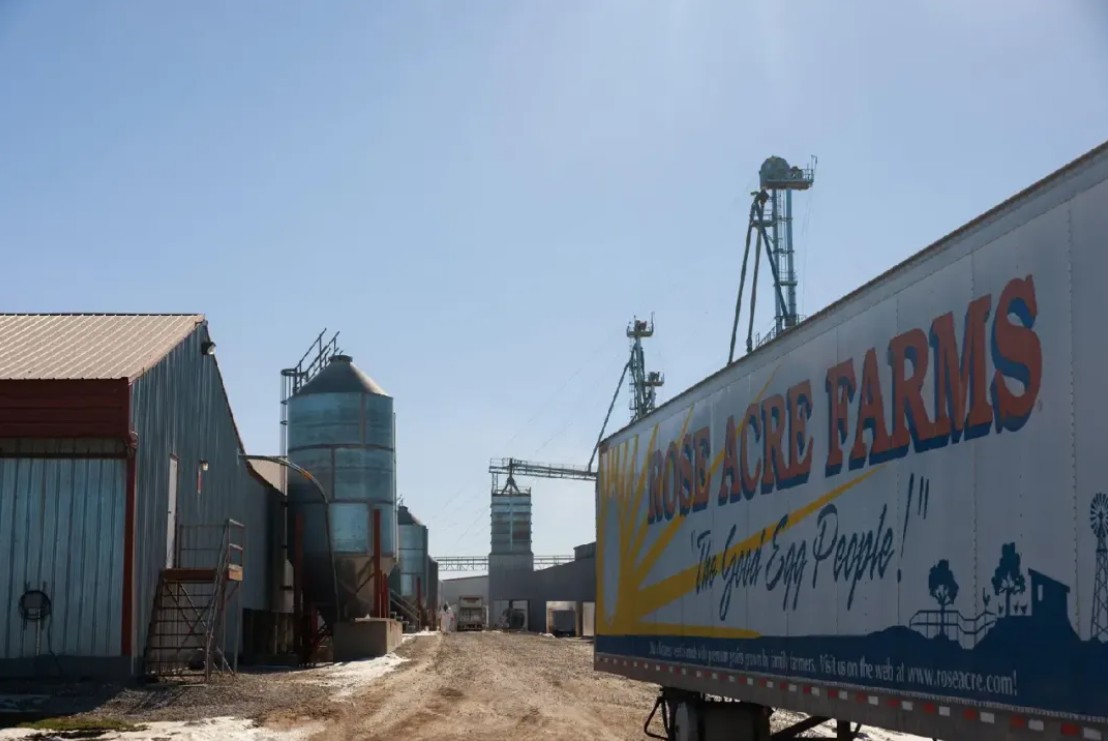
The U.S. Department of Agriculture confirmed that the affected flock tested positive for highly pathogenic avian influenza (HPAI), a dangerous bird flu that can kill poultry rapidly.
The U.S. Department of Agriculture’s Animal and Plant Health Inspection Service (APHIS) reportedly stated: “The agency has confirmed the detection of highly pathogenic avian influenza (HPAI) in commercial egg-laying chickens.”
Unlike other diseases that can be treated with medication, there is currently no effective treatment for poultry infected with highly pathogenic avian influenza. Under U.S. Department of Agriculture disease control guidelines, all infected flocks are typically culled to prevent the virus from spreading to nearby farms.
This means that even chickens that have not yet shown symptoms may be culled if they belong to an infected flock. The federal government calls this process depopulation, a disease control measure used during severe poultry disease outbreaks.
Highly pathogenic strains can devastate poultry farms within days. According to the U.S. Department of Agriculture, poultry may show symptoms including sudden death, reduced appetite, respiratory illness, and decreased egg production. Some infected chickens die before showing obvious symptoms.
The U.S. Department of Agriculture recommends strict farm biosecurity measures, including limiting contact between poultry and wild birds, controlling access to facilities, and disinfecting equipment that could spread the virus between locations.
The outbreak in Illinois has also raised concerns about egg supplies. The deaths of nearly 93.5 ten thousand laying hens mean a significant reduction in one commercial poultry farm’s production capacity.
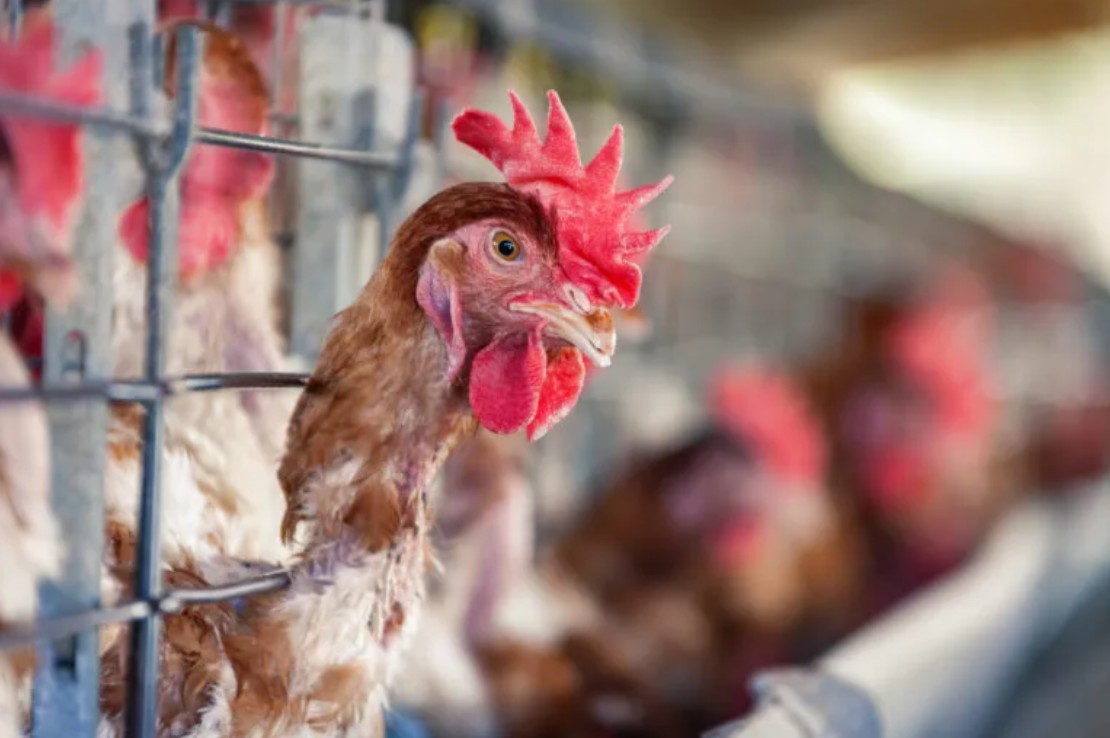
Replacing these hens takes time, and this could affect egg production while the farm completes cleaning, disinfection, and other recovery work. However, federal officials have not yet determined how much this outbreak will affect egg prices nationwide.
According to the USDA, its broader response includes providing financial assistance to affected poultry producers, strengthening biosecurity measures, and researching vaccines and other strategies that could reduce large-scale culling in the future.
Although the avian flu outbreak has dealt a devastating blow to the poultry industry, health officials emphasize that the risk to the public remains very low.