
Water is an indispensable source of nutrients for poultry, and its quality directly affects the flock’s health and growth. Water not only meets the birds’ basic physiological needs but also serves as a carrier for vaccines, antibiotics, and chemotherapy drugs, playing a vital role. However, poor-quality water can also become a major route for the spread of pathogens.
How to manage drinking water effectively
Ensure clean drinking water
High-quality drinking water should be clear, fresh, odorless, and uncontaminated, and should be readily accessible to the birds. The selection and maintenance of the water source and drinking water system are equally important. Identify the source of the drinking water, such as mains water or well water, and carry out the necessary water quality checks and treatment. Mains water is generally considered a safe source, while the safety of well water depends on the circumstances. Where necessary, well water should be treated appropriately and tested for quality at least once a year.
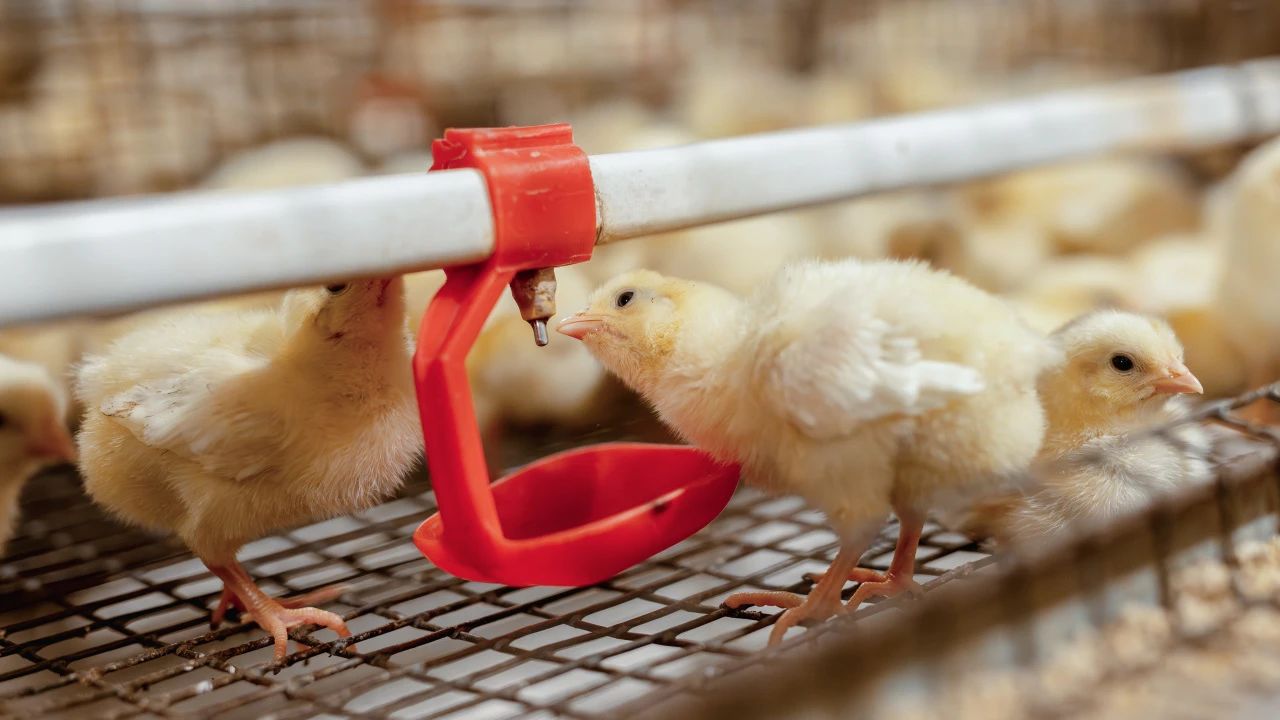
Inspection of the drinking water system should cover the entire route from the water source to the birds’ drinking points. Water quality is affected by the cleanliness of the supply system, so the water supply system in the poultry house must be cleaned and disinfected regularly, at least once every two weeks. During disinfection, be sure to follow the disinfectant manufacturer’s instructions, rinse thoroughly, and use the correct dosage. When disinfecting during production, take care to shut off the water supply system to prevent external contamination.
Surface water is unsuitable as a drinking water source because it is easily contaminated with pathogens from birds, such as avian influenza virus. Thoroughly cleaning the drinking water system during the downtime period can usually ensure good water quality for 16 weeks and help the birds develop immunity to normal environmental bacteria (such as E. coli), while intermittent use of disinfectants may interfere with this process.
Clean drinking water systems
When cleaning drinking water systems, products containing acetic acid, hydrogen peroxide, chlorine, organic acids, or inorganic acids may be used. Concentrations must be strictly controlled during use, and attention should be paid to the water’s acidity and alkalinity. The pH should be maintained between 3.5 and 4 to achieve the best disinfection results and prevent corrosive substances from affecting the chickens’ drinking water. High concentrations of chlorine are also harmful to chickens. In addition, the organic matter content and iron and manganese concentrations in the water must be controlled; otherwise, the effectiveness of chlorination will be affected. Using organic acids alone as disinfectants for a prolonged period may lead to the growth of yeasts and molds. Alternating between acids and chlorine is recommended.
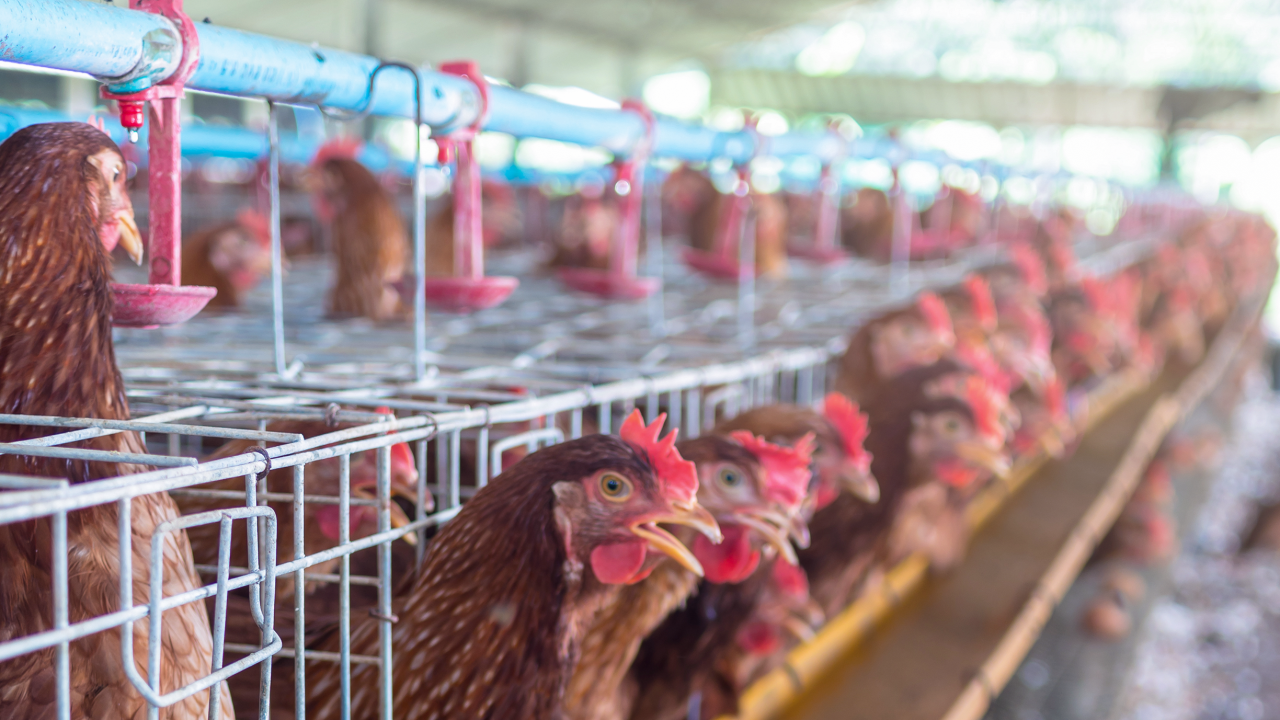
Water quality is equally important when dissolving vaccines and medications. During vaccination, the water should not contain any disinfectant residues. The solubility of antibiotics and chemotherapeutic drugs is affected by the water’s pH and mineral content. Minerals and additives may form biofilms, increasing the risk of bacterial adhesion. Therefore, the water supply system must be thoroughly cleaned after water has been used as a carrier for medication.
Drinking water and feed both have a significant impact on chickens’ growth and reproduction. In addition to keeping the drinking water system clean and well-maintained, ensure that the chickens receive nutritionally adequate feed.