
Chicken gizzard and proventriculitis has been prevalent in China for 13 years, and the harm it causes has gradually increased. At present, some poultry farmers in China still have an unclear understanding of this disease and are misled by its outward signs. As a result, many poultry farming enterprises experience increased feed conversion ratios, longer times to market, and reduced economic returns during rearing. The disease is also difficult to control once poultry are affected, and immunosuppression is widespread. Although we provide guidance and analysis every year, the market’s understanding and response strategies remain a serious concern.
So, how should we understand the nature of this disease, reduce poultry feed conversion ratios, and maximize production returns?
I. Determining the Cause
A. Current Understanding of the Cause
In determining the pathogen and cause, some industry organizations and individuals were still caught up in the dilemma of “infectious proventriculitis” 5 years ago, and still believed it was caused by mixed infection with REV and other viruses. Many frontline technical staff and distributors attributed it to avian influenza virus (AIV), infectious bronchitis virus (IBV), elevated body temperature, drug poisoning, excessive gastric acid (caused by a low pH value), or vitamin deficiency.
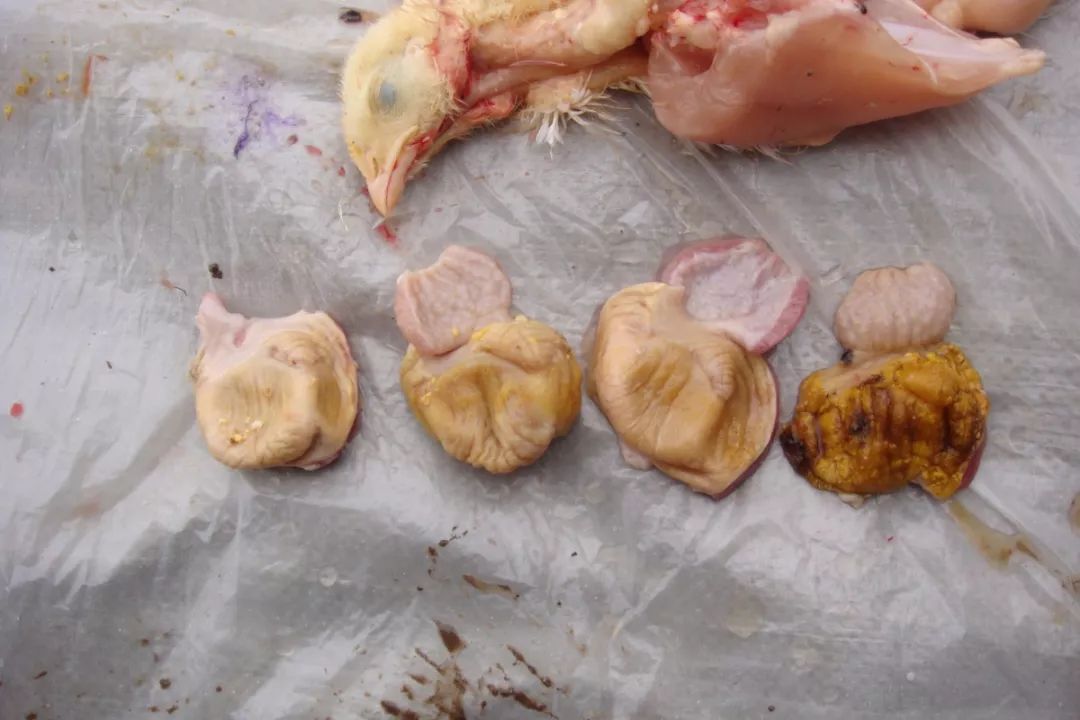
Is this really the case? From 2014 to the present, 70-80% of industry professionals have gradually come to understand the true nature of this disease: proventriculitis and gizzard inflammation are primarily caused by mycotoxins. We must clarify this issue in order to gain insight into diagnosis and treatment.
B. The Culprit (True Cause)
1. Mycotoxicosis
⑴ Widespread mold growth in corn, soybean meal, etc.
Rough handling during field harvesting, threshing, drying, storage, and transportation of corn leads to repeated mold growth at multiple stages. As a result, corn quality is poor both in China and worldwide, and excessive levels of mycotoxins are extremely common. The aflatoxin we detected may not be present at greatly excessive levels; however, the combined accumulation of multiple toxins is seriously excessive and still poses the hazards associated with excessive mycotoxin levels.
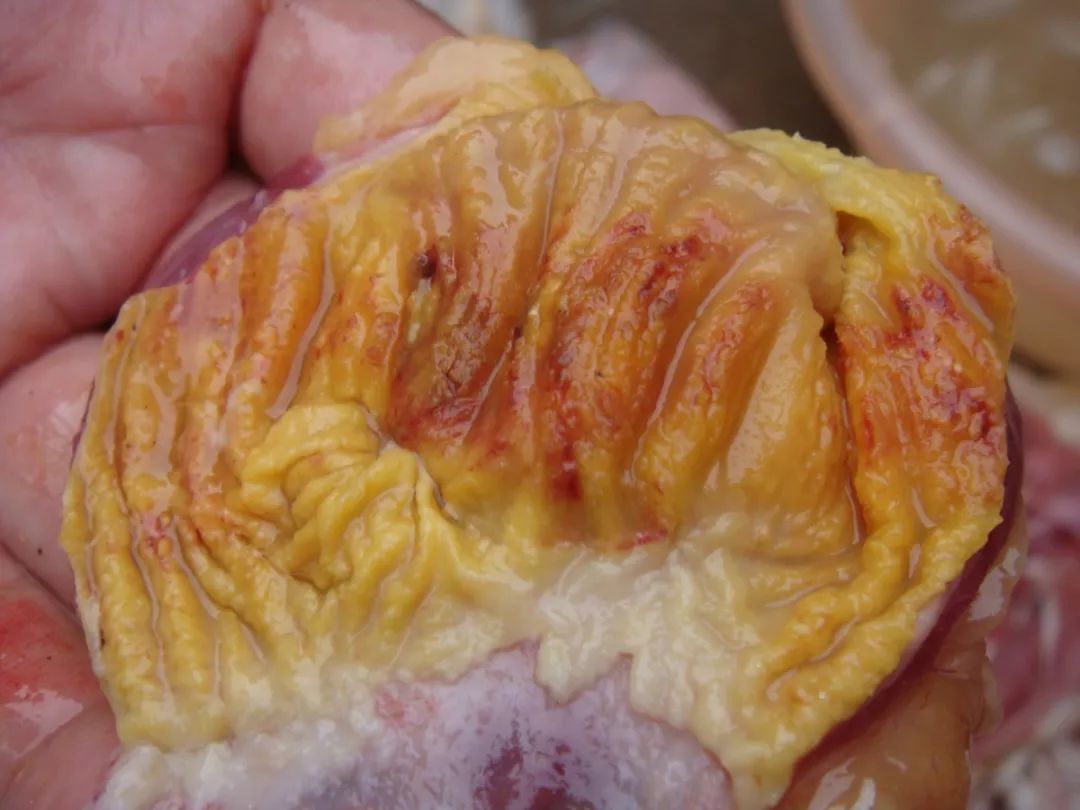
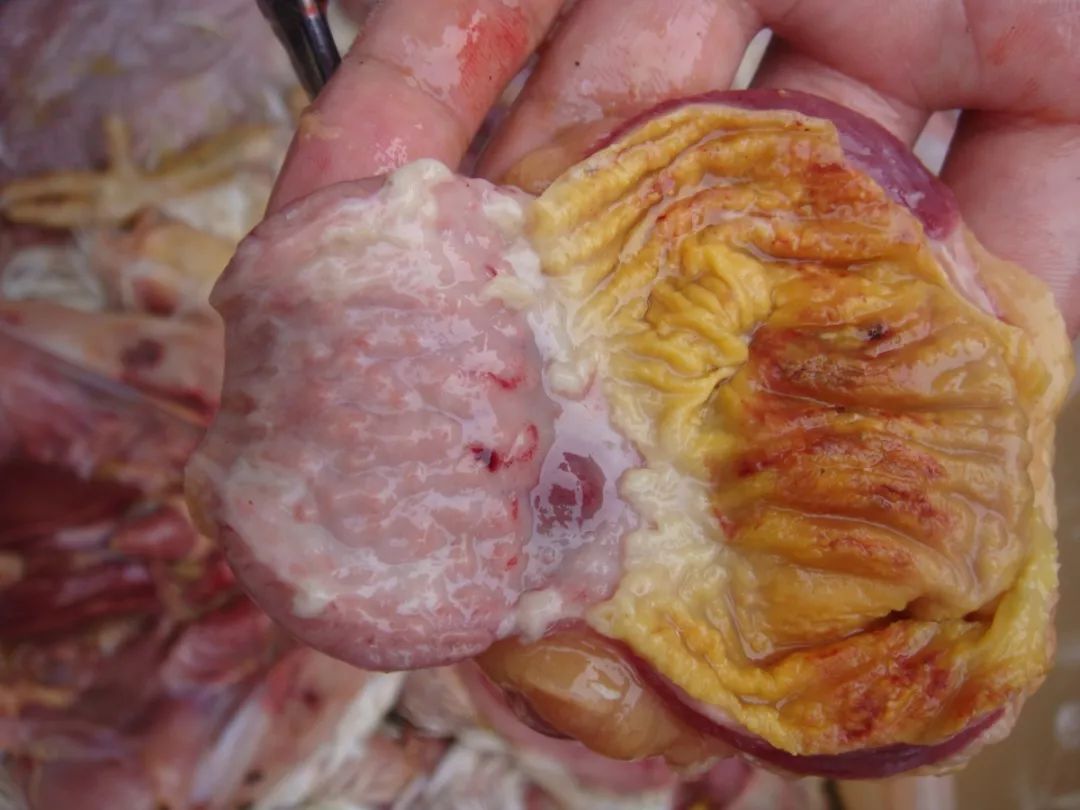
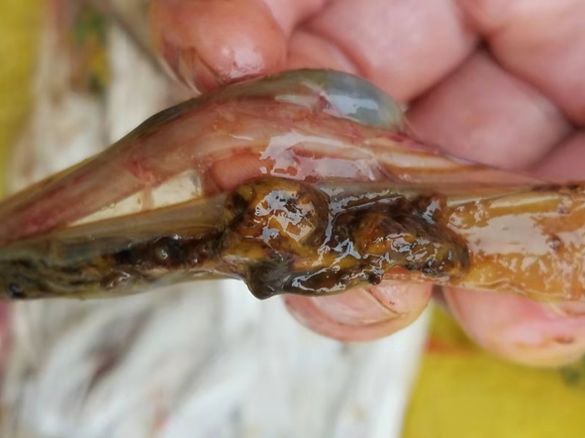
Extensive testing has shown that 3-4 different types of mold (strains) can be isolated from the gizzard tissue, glandular stomach tissue, and glandular stomach secretions of diseased chickens. Culture tests can produce colonies of various molds; among them, Aspergillus flavus, Aspergillus fumigatus, Aspergillus terreus, Aspergillus ochraceus, and Aspergillus niger are the most prominent contaminants. We used these molds to contaminate food and then fed it to chicks confirmed to be healthy. When the chicks were examined after eating it for one to two weeks, large numbers of them showed erosion of the gizzard koilin layer and enlargement of the glandular stomach, among other symptoms, and were severely emaciated.
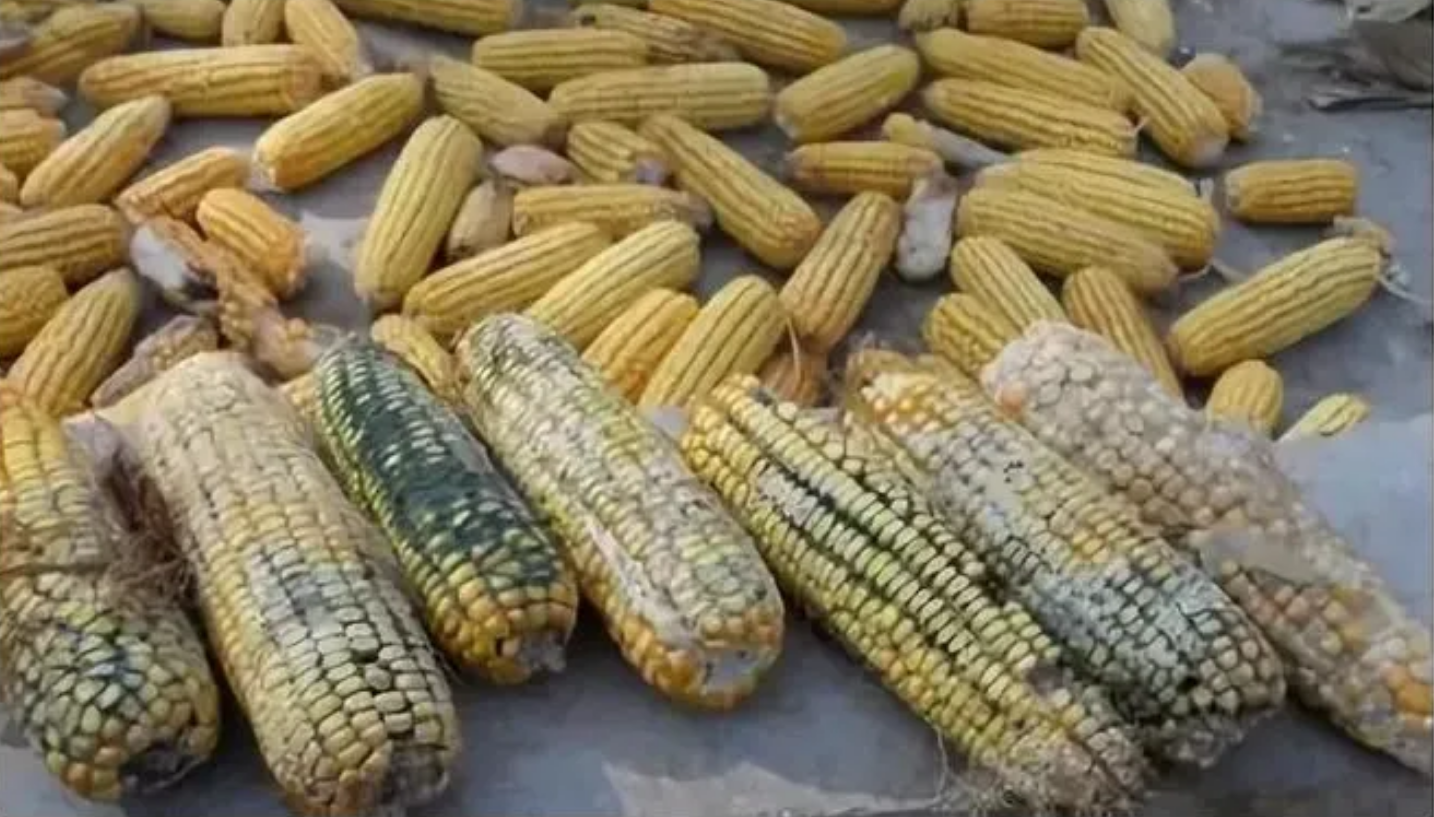
2. Mold growth in finished feed
Finished feed is stored carelessly, and farmers lack awareness of preventing mold growth during storage. According to a survey, the storage period for feed in China is generally set at around 3 months. However, research has found that, due to poor storage conditions and severe mold growth and deterioration in raw materials such as corn, corn gluten meal, soybean meal, fish meal, and meat and bone meal, the actual storage period for finished feed cannot reach 3 months. Mold growth in large quantities is most commonly found after around 20 days. Therefore, we recommend that the relevant organizations shorten the current feed storage period in light of farming and environmental conditions, to help farmers monitor this and raise awareness.
C. Vitamin and mineral deficiencies
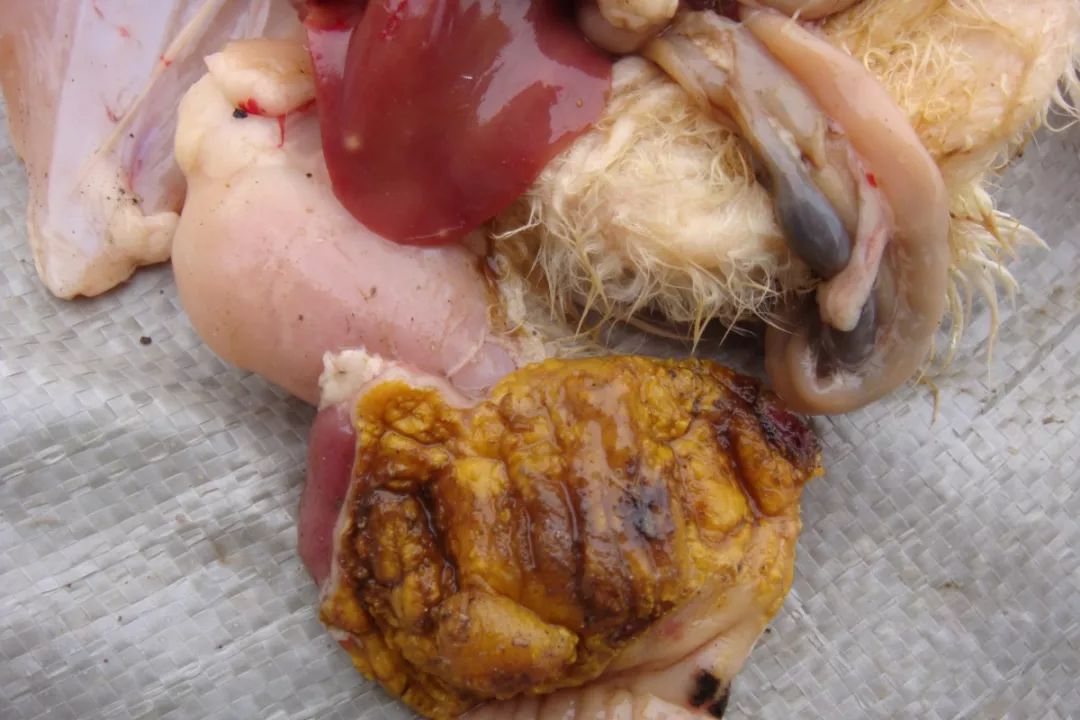
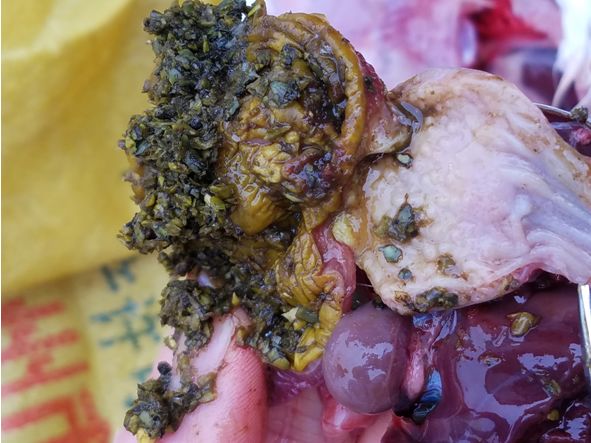
Mycotoxins commonly cause vitamin deficiencies in feed. Among these, deficiencies in multiple vitamins and nutrients directly increase the risk of gizzard erosion (see Figure 1-2).
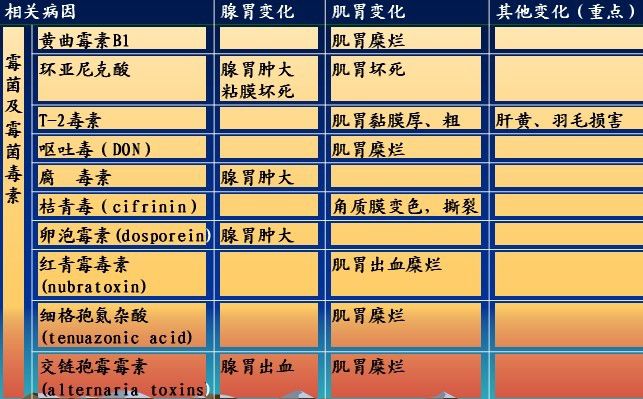
Figure 1
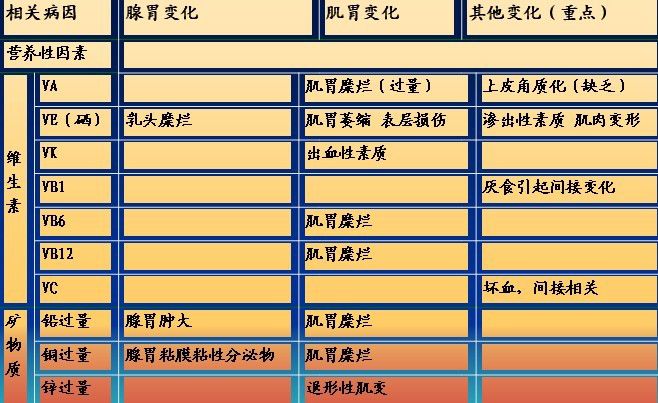
Figure 2
D. Why are solutions that do not target mold effective?
1. According to authoritative sources, the current rate of subclinical H9 virus infection is 1-2%. Immunosuppressive gizzard inflammation can cause vaccination failure, and the likelihood of concurrent disease is extremely high. It can be said that pathogenic viruses are already widespread in normal flocks. Once gizzard and glandular stomach inflammation occurs, these viruses become pathogenic, while mold and mycotoxin poisoning in the gizzard acts as a stress factor. At this point, antiviral drugs can reduce mortality and counter the decrease in feed intake caused by these viruses.
2. Mold and toxin contamination leads to a severe deficiency of vitamins in the feed. Therefore, when treating this disease, using an adequate dose of vitamin preparations can lead to a noticeable increase in feed intake in chickens in a short time, especially with B vitamins.
3. Mold-related gizzard and glandular stomach inflammation causes severe damage to the digestive tract mucosa and is prone to secondary bacterial enteritis, especially necrotic enteritis syndrome. Therefore, when farmers or veterinarians use antibacterial drugs such as amoxicillin or penicillin, they can see results with non-irritating antibacterial drugs. Feed intake increases in the short term, alertness improves slightly, and diarrhea lessens or stools become formed. But this is temporary; it will recur after 2-3 days.
4. When faced with mixed infections, some veterinarians administer fever-reducing drugs such as metamizole in drinking water. They find that the affected flock’s alertness improves and feed intake increases temporarily, and thus conclude that elevated body temperature causes gizzard erosion and glandular stomach enlargement.
Most people in the industry have been misled by these superficial effects. They believe that because farmers say a treatment works well, it must be addressing a particular cause, and they form their own theories about the causes of gizzard and glandular stomach inflammation. In reality, this is a seriously mistaken concept.
II. Current prevalence
1. Year-round occurrence
Since 2009, gizzard and proventriculitis has been widespread across China, and the disease occurs even in the cold winter. It most often presents as gizzard inflammation, with proventricular enlargement being less common. It has become a highly prevalent, endemic disease.
Despite this, in winter, spring, and autumn, the severe prevalence of poultry respiratory diseases or diseases such as AI, ND, and airsacculitis has, to some extent, masked the harm that gizzard inflammation or gizzard and proventriculitis causes to poultry. Those in the industry have also devoted more effort to controlling diseases with high mortality rates, overlooking the presence of this disease.
However, feed passage, a high feed-to-meat ratio, and a high feed-to-egg ratio caused by this disease continue to erode overall farming profits! Why does mycotic gizzard and proventricular inflammation still occur in very cold seasons? In fact, people have overlooked the physicochemical properties of mycotoxins: mycotoxins can only be destroyed at 267-268°C; -8°C can inhibit mold growth. Therefore, moldy feed from summer and autumn can still cause cumulative poisoning in winter; molds can grow normally above -8°C.
2. The major outbreak period is from 6 to 9 each year
In recent 10 years, mycotic gizzard and proventricular inflammation has had a major outbreak almost every year from 6 to 9. It most often presents as gizzard and proventricular inflammation; isolated gizzard inflammation is less common. The incidence rate or chance of subclinical disease is 90%. In 2009 and 2010, there were instances during 6-9 when industry leaders dared not let their flocks out to pasture and farmers dared not raise poultry. This at one point posed a major threat to our farming industry, particularly for white-feather broiler chickens.
3. Wide range of ages at onset
Most cases occur at 4-50 days of age, and cases at 1 days of age are also quite common. The severity of cases at 50-90 days of age is lower than that before 50 days of age; the degree of lesions, symptom severity, and extent of harm are all less severe than in chicks. Adult poultry generally have subclinical infections, with only a slight decline in production performance and mild feed changes; these cases are often overlooked or denied by people.
4. Vertical transmission in breeder chickens confirmed
Because mycotoxins are difficult to break down, they can be stored in animals' bodies for a long time. When the toxin level has not yet caused severe disease in animals or poultry, metabolism can ultimately result in the toxins being stored in the final products of animals or poultry, namely animal milk and poultry eggs, as in Mengniu's “toxic milk incident.” It can be said that, at present, mycotoxin levels in eggs consumed by people also exceed the limit.
If a breeder flock develops cumulative mycotoxin poisoning or mild poisoning, toxins in the eggs can lead to a decline in the breeder flock's egg production rate and fertilization rate, an increase in late-stage embryo mortality, and a decline in hatchability. Eggs carrying small amounts of mycotoxins can hatch into chicks. Many of these chicks are defective when they hatch; the remaining chicks, which show no obvious symptoms, are sold to poultry farmers, leading to cases of gizzard inflammation at 1 days of age. Our research found that, on the 18 day of incubation, chicken embryos already develop black catarrhal ulcers in the gizzard koilin layer, with obvious ulcers appearing at 1 days of age.
5. All kinds of poultry can be affected
Based on disease patterns and current conditions over many years, all kinds of poultry can clearly develop mycotoxin poisoning, resulting in gizzard inflammation or gizzard and glandular stomach inflammation. The younger the birds, the more severe the disease; older flocks mostly show chronic subclinical infection or poisoning. Statistics show that commercial broiler chickens and ducks have the highest infection and disease rates.
6. Low mortality in cases without secondary infection
Investigations have found that, apart from aflatoxins, other toxins have relatively low mortality rates in chicken flocks. They cause only reduced feed intake, weight loss, slow or halted production, and feed-like feces; deaths occur after infection with other pathogens or exposure to certain stress factors.
III. Current state of control
1. Insufficient attention
The control of chicken gizzard inflammation and gizzard-proventriculitis has in fact become a broad and serious problem facing poultry farmers. Without scientifically advanced concepts, measures, and methods, it is difficult for us to address this disease. At present, 50% of veterinary drug companies, 70% of farming groups (companies), and 40% of farmers are paying attention to this disease. I have found that technical directors and technical teams at larger farming groups in particular still have not clarified the causes of this disease and remain stuck in some outdated ideas. They continue to conflate it with “infectious proventriculitis,” causing serious indirect losses across the group or company.
2. Unsatisfactory control results
Several control methods are currently available on the market: A, antiviral drugs combined with stomachic drugs; B, stomachic drugs; C, stomachic drugs + mold and mycotoxin inhibitors and decomposers; D, vitamin supplementation; E, fungistatic drugs + enteritis medication. These approaches may all produce some results; however, the effects are slight and symptom relief is short-lived. The disease generally recurs just 4-5 days after treatment is stopped.
3. Farmers have lost confidence in controlling mycotic gizzard-proventriculitis or gizzard inflammation
Because they see no preventive or control results, they are at a loss and let the condition run its course. As a result, farmers in various regions lack both the concepts and the motivation needed for prevention and control.
Four. Harm to poultry production
1. Severe immunosuppression makes disease difficult to control
Severe atrophy of the thymus, bursa of Fabricius, and spleen reduces the number of T and B lymphocytes in the body and the number of immune cells in immune tissues. This directly causes failure or reduced efficacy of live attenuated vaccines administered by inoculation, and also results in insufficient HI antibody production after inactivated vaccines are injected, with antibody titers persisting for a shorter period. Immune cells are consequently broken down and reduced. This has therefore contributed to the difficulty of controlling poultry diseases in recent years and the widespread prevalence of unhealthy flocks; it is also one of the causes of disease following vaccination.
2. Production performance falls short of standards
Reduced feed intake and slow growth result in severely reduced production performance, such as failure to meet body weight standards, low uniformity, and poor meat quality. It also cannot be ruled out that the meat contains large amounts of mycotoxins and other substances, posing a threat to human health and endangering public biosecurity.
3. Makes poultry difficult to raise
Proventriculitis and gizzard inflammation slow the pace of development of the poultry industry while reducing or diminishing farming benefits.
Five. Effective prevention and control measures
Gizzard and proventriculitis in chickens is a conditional disease. To control it, the first step is to cut off or improve the conditions that cause it. Because feed ingredients such as corn and soybean meal are widely affected by mold, it is difficult for any organization or individual to find effective measures to eliminate or remove the cause. As a result, this has become a special disease: it occurs continuously and cannot be completely cured. So, what measures can we take to reduce its pathogenicity, lower its incidence, and lessen its harm to poultry production?
(I) Effective preventive measures
First, regularly add antimold feed additives with few side effects and good efficacy, as far as possible. Select feed ingredients carefully and prevent mold growth. Store finished feed appropriately and avoid storing it for too long. Feed mills should shorten the storage period as much as possible and revise their existing shelf-life rules. At the same time, apply sound farming management and use scientific feeding techniques.
(II) Prevention in commercial white-feather broilers, yellow-feather chickens, and meat-type crossbred chickens
Administer drugs that inhibit or kill mold and break down toxins, or drugs for gizzard and proventriculitis, to the flock at 2-6 days of age to prevent gizzard inflammation caused by toxin poisoning from vertical transmission. Then, at 7 days of age, administer drugs that inhibit or kill mold and break down toxins, while using as many immunity-enhancing products as possible, such as Astragalus polysaccharide products and biological preparations, to help prevent gizzard and proventriculitis.