
On the road to raising chickens, airsacculitis and bronchial plugs are undoubtedly two of the most troublesome severe respiratory diseases for poultry farmers. They strike quickly, cause high mortality, and keep recurring. Many poultry farmers take turns using antibacterial, anti-mycoplasma, and antiviral drugs. They spend a lot on medication, yet still cannot control flock losses, and the disease returns soon after treatment.
Why do successive treatment regimens keep failing to deliver satisfactory results? Many people have been focusing on the wrong thing all along.
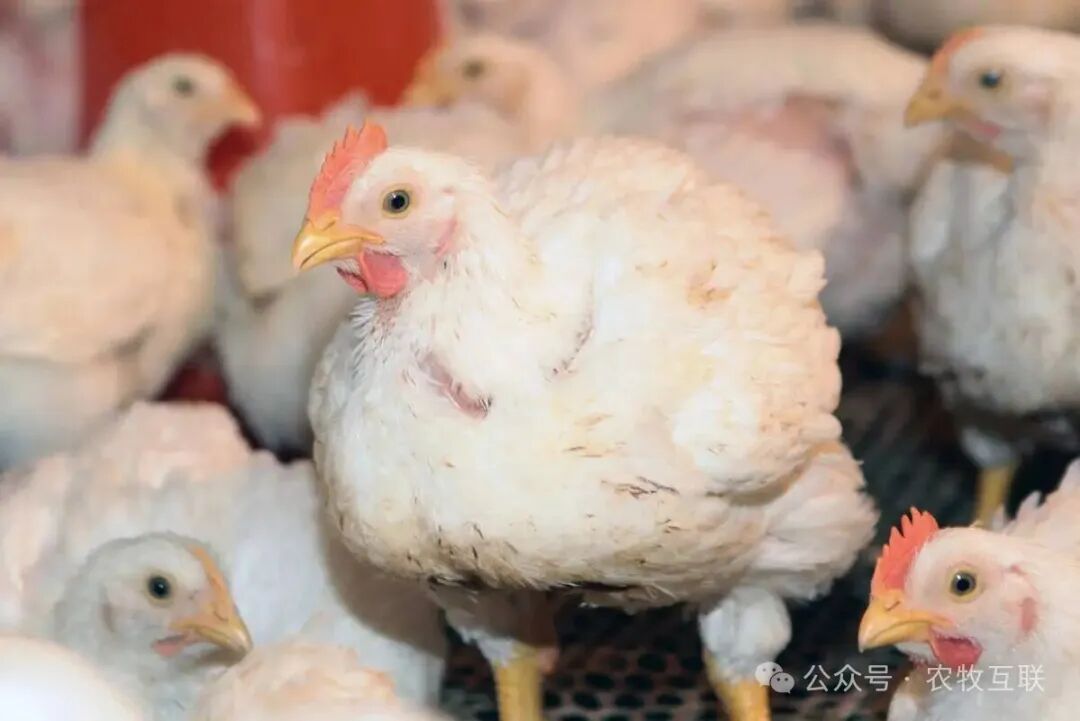
一、The root cause of persistent illness: “a bacteria-hiding fortress” in the lesions
Most poultry farmers focus their treatment approach solely on killing pathogens free in the blood and on mucosal surfaces. But once airsacculitis or bronchial plugging develops, inflammatory exudate continues to form inside the trachea, bronchi, and air sacs, gradually becoming mucus and caseous material. Large numbers of bacteria and mycoplasma are trapped inside this purulent mucus and these plugs, as if hiding in a sealed fortress. Ordinary medications have difficulty penetrating this lesion and cannot reach the pathogens inside. When the drug concentration in the body gradually falls, the pathogens hidden inside the plugs and caseous masses are released again, and the flock immediately becomes ill a second time. This is what we commonly call “the medication works, but the disease rebounds when treatment stops.”
A prescription that only kills bacteria, without addressing exudate or controlling high fever, is incomplete in itself, so it is naturally difficult to eradicate the disease completely.
Two. A common misconception in the industry: focusing on pathogen susceptibility testing while neglecting disease mechanisms
Most current research focuses on how to make a rapid diagnosis, isolate pathogens, and conduct susceptibility testing, with an unrelenting pursuit of new drugs and powerful antibiotics. But few people take the time to understand how plugs and caseous material form, step by step. Without understanding the disease process, medication can only passively chase the pathogen, treating the symptoms rather than the root cause.
Three. Understand the disease mechanism to treat the condition appropriately
Air sacculitis: Fluid condenses into phlegm, which accumulates over time and becomes caseous material
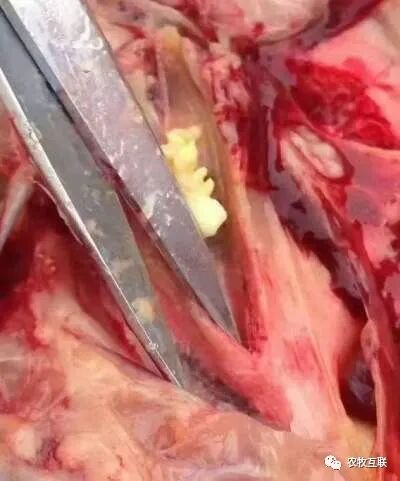
Air sacculitis often develops as a progression of chronic respiratory disease. Inflammation in the respiratory tract persists, and the trachea and air sacs continuously secrete inflammatory exudate, which accumulates and becomes thin phlegm. In the high-temperature environment caused by a persistent fever in the chickens, water in the phlegm continually evaporates, and it gradually thickens and solidifies, changing from thin phlegm into caseous exudate that adheres to the inner walls of the air sacs and trachea, forming the characteristic lesions of air sacculitis.
Bronchial obstruction: High fever triggers “hollow plugs,” and deaths occur more quickly
This type of embolism is commonly seen in acute respiratory infections such as influenza and infectious bronchitis, and develops much faster than ordinary air sacculitis. Following an acute infection, the chicken’s body temperature rises sharply, reaching a maximum of over 43°C. Poultry have a limited ability to dissipate heat. When a high fever persists, mucus in the respiratory tract rapidly dehydrates: its outer layer first bakes into a dry, caseous crust, while the interior remains liquid. Chickens rely on abdominal breathing, and the airflow continuously washes over the bronchial bifurcations and the small bronchi in the lungs, dislodging the liquid mucus inside. This eventually forms the hollow, tube-shaped emboli commonly seen by poultry farmers, blocking the airways and causing chickens to suffocate and die rapidly.
Key point: Whether it is a caseous plug in the air sacs or a hollow embolism in the bronchi, high fever is the key driver that promotes mucus coagulation and embolism formation. Without a sustained high fever, mucus is unlikely to solidify quickly and form an obstructive lesion.
Four. Core practical treatment approach: fever reduction is just as important as antibacterial and anti-infectious bronchitis treatment
In many treatment plans, antibacterial, anti-Mycoplasma, and antiviral medications are comprehensively included, but the step of providing long-lasting, steady fever reduction is overlooked. When a high fever persists, mucus continuously dehydrates and hardens. Bacteria are being killed with medication while new plugs continue to form, creating a vicious cycle in which treatment leads to increasing blockage. In clinical practice, appropriately including long-acting antipyretics to control the flock’s body temperature and eliminate the conditions that cause mucus to harden into plugs is an indispensable part of the overall treatment plan, as important as antibacterial and anti-Mycoplasma medications. There are also many frontline cases in which, with a focus on reducing fever and clearing exudate, the flock’s plugging problem quickly stabilized and losses were brought under control.
It is also important to note objectively that fever reduction is not a cure-all, and relying solely on fever-reducing medication to tough it out is not appropriate. The correct treatment logic is to control high fever, clear inflammatory exudate, target and suppress pathogens, and improve the poultry-house environment, with these measures working together across multiple dimensions. If pathogens are killed without controlling fever, plugs continue to form; if fever is reduced without controlling pathogens, the source of inflammation remains, and the problem will recur.
Five. Practical advice for implementation by poultry farmers
Early identification: If the flock shows open-mouth panting, unusual calls, nasal discharge, rapid progression, yellowish-white plugs in the tracheas of dead or injured chickens, or cloudy air sacs containing caseous material, prioritize checking body temperature; do not start by simply piling on antibiotics.
Treatment combination approach: Based on the cause of the illness, appropriately combine antibacterial, anti-mycoplasma, and antiviral medications, while also using a long-acting, steady fever-reducing product to reduce the risk of embolism caused by persistent high temperatures;
Pay attention to the environment: Ventilation, temperature differences, and humidity are basic contributing factors in respiratory diseases. While cooling and controlling fever, be sure to reduce cold stress and dust irritation inside the housing; otherwise, the effectiveness of medication will be greatly reduced.
The treatment course must be sufficient: it takes time for embolic lesions to be absorbed. Do not stop medication as soon as deaths decrease; if pathogens inside the lesions are not thoroughly eliminated, recurrence is highly likely.
In closing
Air sacculitis and bronchial embolism are not, in essence, diseases caused by a single pathogen. They result from the combined effects of inflammatory exudation, persistent high fever, and a stressful environment. To avoid pitfalls in livestock farming, it is not enough to focus only on “which drug kills which bacteria.” A treatment plan is complete only when it takes the disease mechanism into account and addresses high fever as a key driving factor. Only by changing this way of thinking can the success rate of treating severe respiratory disease truly improve.