
Vitamins affect the immune mechanisms of laying hens in multiple ways. By participating in immune organ development, regulating immune cell activity, promoting antibody production, and enhancing antioxidant capacity, they comprehensively improve the immunity of laying hens.
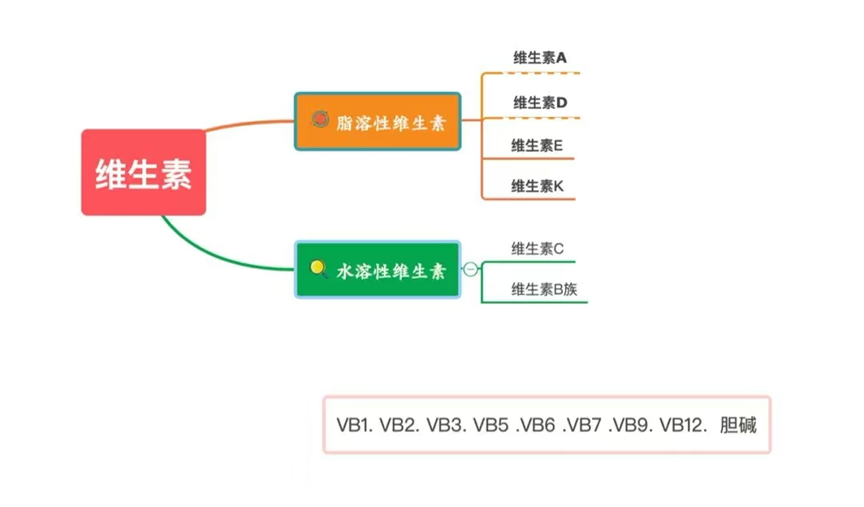
I. Vitamin A: A Key Regulator of Mucosal Immunity and Immune Cell Differentiation
1. Enhance mucosal barrier function
Vitamin A is a core nutrient for maintaining the integrity of the mucous membranes of the respiratory, digestive, and reproductive tracts. It promotes the differentiation and repair of epithelial cells, strengthens the mucosal barrier, prevents pathogen invasion, and forms the body's first line of immune defense.
2. Regulate immune cell development and function
Promotes T-cell differentiation (especially Th2 type), enhances T-cell proliferation and function, and reverses thymic atrophy and reduced peripheral T-cell numbers caused by deficiency.
Enhances the phagocytic and bactericidal capacity of macrophages (Mφ) and increases antioxidant enzyme activity in alveolar macrophages.
Enhances natural killer cell (NK cell) activity and improves early resistance to infection.
Directly participates in antibody synthesis, improves B-cell function, and enhances IgG and plaque-forming cell (PFC) responses.
Vitamin A participates in the development and differentiation of lymphocytes (especially T cells and B cells), affecting the specificity and strength of the immune response. Studies show that vitamin A supplementation can significantly increase serum IgA and IgM levels and enhance humoral immune function.
3. Regulates antioxidant status and indirectly supports immunity
According to a 2024 study in Poultry Science, adding 6000 IU/kg of vitamin A to feed can significantly increase glutathione peroxidase (GPx) activity in laying hens, lower malondialdehyde (MDA) levels, improve antioxidant status, and reduce oxidative stress damage to immune cells, thereby maintaining stable immune system function.
4. Transmission of immune advantages to offspring
Vitamin A supplementation in hens can improve immune indicators in their offspring chicks, such as increasing hemoglobin concentration, red blood cell count, serum total protein, and IgA levels, and enhancing their innate immunity.
二、Vitamin E: The “guardian” of antioxidant immunity and a stress buffer
1. Scavenge free radicals and protect immune cells
Vitamin E (tocopherol) is a fat-soluble antioxidant that can scavenge free radicals, prevent lipid peroxidation, protect the integrity of the cell membranes of immune cells such as lymphocytes and macrophages, and maintain their normal function.
2. Enhance specific immune responses
Vitamin E can improve the antibody-producing capacity of B cells and enhance T cell-mediated cellular immunity. Experiments have shown that supplementation at 20–40 IU/kg of feed can significantly increase antibody titers to vaccines in laying hens and enhance immune efficacy.
3. Counter stress and stabilize immune function
Under stressful conditions such as heat stress, flock transfers, and transportation, vitamin E acts as an “immune buffer” and can:
Stabilize cell membranes and reduce metabolic disorders caused by calcium ion influx;
Regulate corticosterone secretion and alleviate stress-induced immunosuppression;
Enhance lymphocyte activity and reduce the risk of infection.
4. Work in synergy with selenium to enhance the synergistic immune effect
Combined use of vitamin E and selenium can significantly improve immune effects. They work synergistically in antioxidant enzyme systems (such as GPx) to enhance immune cell function.
Three. Vitamin C: A “versatile player” in stress adaptation and immune enhancement
1. Relieve heat stress and maintain immune homeostasis
Under high-temperature conditions, laying hens’ ability to synthesize vitamin C declines. Supplementing vitamin C can:
Lower corticosterone levels and reduce stress-induced suppression of the immune system;
Improve feed intake and metabolic status, indirectly supporting immune function.
2. Promotes antibody production and immune cell activity
Vitamin C participates in redox reactions, protects immune enzyme activity, promotes lymphocyte proliferation and phagocyte function, and enhances the body’s ability to clear pathogens.
3. Enhances vaccine efficacy
Adding vitamin C 2–3 days before vaccination can reduce side effects of the immune response, increase specific antibody titers, and enhance immune protection.
4. Detoxifying and anti-inflammatory effects
Vitamin C can neutralize some bacterial toxins and heavy metals (such as lead and arsenic), reducing their harm to the immune system; it also reduces capillary permeability and inflammation.
5. Helps prevent feather pecking and anemia
By promoting wound healing, reducing stress, and improving iron metabolism, vitamin C indirectly reduces abnormal behaviors such as feather pecking and vent pecking, lowering the risk of secondary infections.
Four. Vitamin D3: The “commander” of immune regulation and calcium metabolism
1. Regulates immune cell function
Vitamin D3 not only promotes calcium and phosphorus absorption, but also regulates the activity of macrophages, dendritic cells, and T cells through the vitamin D receptor (VDR), influencing the balance between innate and adaptive immunity.
2. Enhances resistance to infection
3. Regulates T/B lymphocyte function
Promotes the differentiation of naïve CD4+ T cells into regulatory T cells (Treg), suppresses excessive immune responses, and establishes “immune tolerance.”
Inhibits B-cell activation, plasma cell differentiation, and immunoglobulin production, reducing the risk of autoimmunity.
4. Anti-inflammatory and self-recognition mechanisms
Suppresses overactive adaptive immune responses, helping the immune system distinguish “self” from “non-self” and reducing the occurrence of autoimmune diseases.
5. Maintains eggshell quality, indirectly supporting immunity
Poor eggshell quality can make it easier for bacteria to invade, causing diseases such as salpingitis. Vitamin D3 reduces infection risk by improving eggshell thickness and strength, indirectly maintaining reproductive system immune health.
Five. B vitamins: the “energy engine” of immune metabolism
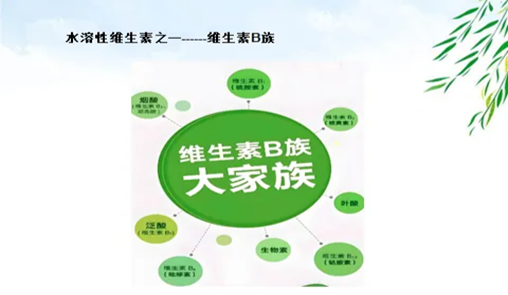
B1 (thiamine) | Promotes immune cell proliferation and maintains nervous system function, indirectly supporting immune regulation.
B2 (riboflavin) | Antioxidant; protects immune cells. Deficiency can cause stomatitis and cheilitis, reducing local defenses.
B6 (pyridoxine) | Involved in antibody synthesis and regulates T-cell function; deficiency weakens immune responses.
B9 (folate) | Promotes DNA synthesis in immune cells, enhances white blood cell activity, and boosts overall immunity.
B12 (cobalamin) | Supports red blood cell production and helps prevent anemia-related immunosuppression; regulates the nervous system and improves appetite and mental state.
B vitamins are the “unsung heroes” that keep the immune system functioning normally, playing a particularly central role in energy metabolism, immune cell production, and antioxidant defense. Reasonable B vitamin supplementation can effectively enhance immunity, but should be based on a balanced diet and avoid indiscriminate excessive intake. For any specific health conditions, consult a doctor or nutritionist for personalized guidance.
Conclusion: Vitamins affect the immune mechanisms of laying hens through multiple levels and pathways. Scientific, stage-based, and synergistic vitamin supplementation is a core strategy for enhancing laying hens’ immunity, reducing disease risk, and ensuring high and stable production. It is recommended to adjust vitamin ratios dynamically according to the flock’s age, environmental stress, and production stage, and to prioritize high-quality premixes to ensure nutritional balance.