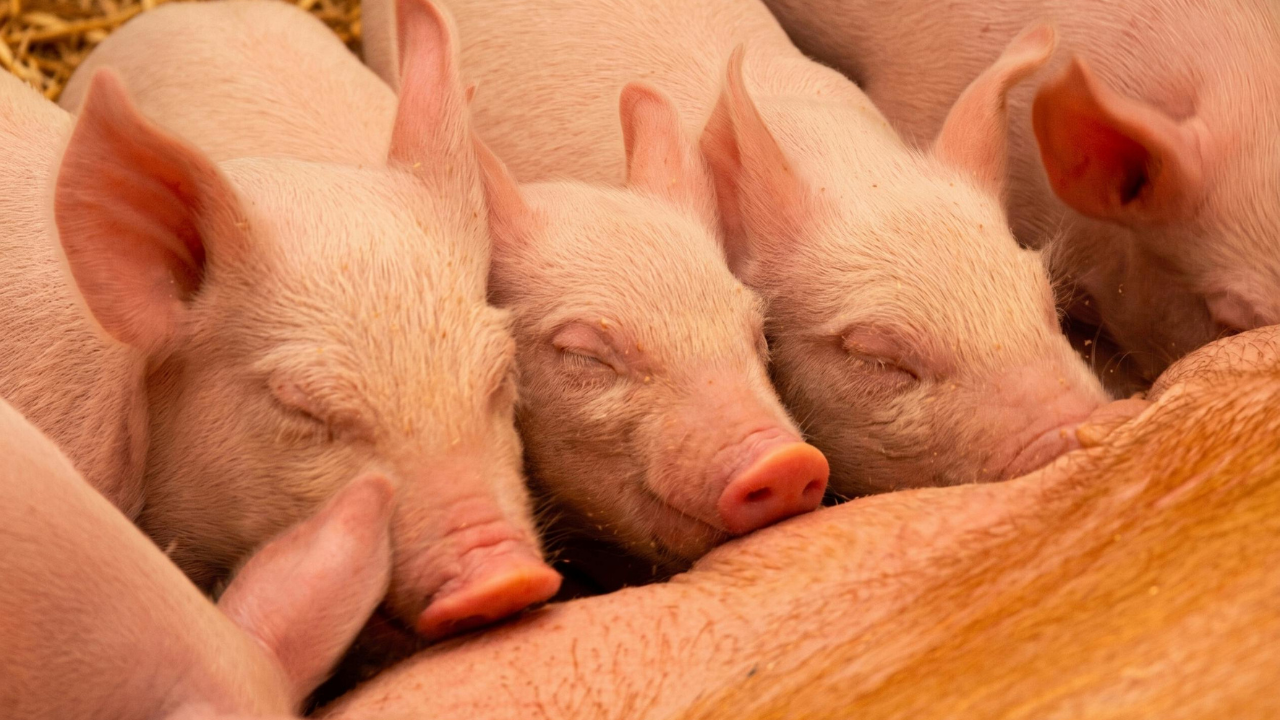
In terms of animal welfare legislation, Latin America has made progress in issuing regulations adapted to each country’s conditions. However, implementation levels vary depending on the commitment and enforcement efforts of the different sector stakeholders, primarily authorities and producers. The following outlines the key aspects of the implementation status of regulatory frameworks in each country:
Mexico
Mexico has recently become the latest country in Latin America to make progress toward approving an animal welfare regulation. On 29 September 2026, the Senate approved the General Law on Animal Welfare, Care, and Protection, which, among other things, prohibits animal abuse and cruelty and requires animal owners to ensure adequate nutrition, health, mental well-being, and humane treatment. Although the regulation generally applies to all species, it represents an important step forward for the country. In the medium term, the development and implementation of a species-specific animal welfare regulation for pigs is planned. To that end, coordinated participation by producers, industry associations, and competent authorities is essential, as is drawing on the technical and regulatory experience of countries with established regulatory frameworks for the swine sector. This process will make it possible to incorporate objective indicators that are technically validated and adapted to the conditions of national production systems, supporting the effective implementation of animal welfare measures and contributing to the efficiency of pig production.nt of the technical and regulatory experience of countries with established regulatory frameworks for the swine sector. This process will make it possible to incorporate objective indicators that are technically validated and adapted to the conditions of national production systems, supporting the effective implementation of animal welfare measures and contributing to the efficiency of pig production.
Although Mexico does not have specific animal welfare legislation for pig production, unlike some other countries in the region, it does have the Mexican Official Standard NOM-033-SAG/ZOO-2014, which establishes the specifications and procedures applicable to methods for killing domestic and wild animals (SADER, 2015). In this regard, the country is aligned with the recommendations of the World Organisation for Animal Health (OMSA), recognizing electrical and carbon dioxide stunning, followed by bleeding as a complementary procedure to ensure the animal’s death, as accepted methods (SADER, 2015). Likewise, the general legal framework for animal health is governed by the Federal Animal Health Law (Congress of the United Mexican States, 2007).
Colombia
Through Resolution 136 of 2020, the Ministry of Agriculture and Rural Development (MADR) established the regulatory framework for animal welfare conditions applicable to the different production species in the agricultural sector, including pigs (Resolution 136 of 2020, 2020). In this context, Colombia has made significant progress compared with other Latin American countries and has measurable results stemming from the application of this regulation.
According to figures from the Colombian Agricultural Institute (ICA), since inspection, monitoring, and control activities began to assess compliance with the resolution, 230 visits to pig farms have been conducted across the country. Of these, 177 received a high or excellent rating, categories recognized by the regulation as evidence of satisfactory compliance (ICA, 2026).
Although challenges remain in achieving comprehensive implementation across the entire sector, Colombia stands out for making simultaneous progress in legislative development and in creating technical tools for field verification. These include checklists designed according to criteria of validity, reliability, and repeatability of the indicators assessed, which provide producers with an objective framework for identifying their level of compliance and establishing improvement actions.
The work carried out by Colombia is especially important, not only because regulations have been issued for primary production and the transport of animals, but also because of the coordinated work between the health authority, industry associations, and producers. This collaboration has made it possible to review and update the checklists, identify opportunities for improvement, and establish technical working groups. As a result, a continuous improvement approach has been strengthened, benefiting both animals and the sustainability of the production sector.
Peru
The Law No. 30407 of 2016 establishes the general provisions on basic welfare conditions for animals in various contexts (companion animals, wild animals in captivity, farm animals, and aquatic vertebrates; Congress of the Republic of Peru, 2016). However, the country does not have legislation specifically dedicated to farm animals. Within the regulatory framework, the Ministry of Agrarian Development and Irrigation, the Ministry of the Environment, and the Ministry of Production are the entities responsible for issuing and regulating the specific framework for production species, including pigs (Congress of the Republic of Peru, 2016).
Among the aspects of the Peruvian Animal Protection and Welfare Law concerning farm animals worth highlighting are the following (Congress of the Republic of Peru, 2016):
• The recognition of all vertebrate animals as sentient beings.
• The inclusion of animal welfare in breeding, transport, slaughter, and population and individual management processes based on good practices.
• The requirement that slaughter cause instant death or immediate loss of consciousness.
• The prohibition of slaughtering farm animals on public roads, in markets and at fairgrounds, as well as of breeding and transporting them under unsanitary conditions.
Brazil
Along with Colombia, Brazil is one of the Latin American countries with specific legislation for pig production. The Normative Instruction No. 113 of 16 December 2020, issued by the Ministry of Agriculture, Livestock However, unlike Colombia, Brazil still needs to regulate this legislation through checklists or other formal verification tools that make it possible to objectively assess compliance and standardize its application in production and Supply systems (MAPA), establishes good practices for animal welfare and management on commercial pig farms (MAPA, 2020).
The document covers the assessment of indicators based on the animal, facilities, and management (MAPA, 2020). One distinguishing feature compared with other countries in the region is the definition of specific deadlines for complying with indicators agreed upon by experts, authorities, and the production sector (MAPA, 2020). These include the prohibition of individual housing for breeding females on new farms and the establishment of a deadline up to the year 2045 for existing farms to replace crates with group housing systems (MAPA, 2020).
| Country | Regulation | Focus | Link |
|---|---|---|---|
| Chile | Law 20380 of 2009: On the protection of animals | General regulation | https://www.bcn.cl/leychile/navegar?idNorma=1006858 |
| Argentina | Resolution 1697 of 2019: Minimum requirements relating to animal welfare | Production animals up to slaughter, working animals in the agricultural sector, and equines for sporting activities | https://www.argentina.gob.ar/normativa/nacional/norma-333205 |
| Uruguay | Law 18471 of 2009: Animal Protection, Welfare, and Ownership Law | General regulations | https://www.impo.com.uy/bases/leyes/18471-2009 |
| Costa Rica |
Law 7451 of 1994:
Animal Welfare Law |
General regulations | https://sinalevi.go.cr/ResultadosNormativa/Informacion?param1=24319¶m2=108690¶m3=1 |
| Paraguay | Law No. 7513 of 2025: Animal Welfare and Protection | General regulations | https://www.bienestaranimal.gov.py/wp-content/uploads/2025/09/7513.pdf |
The regulatory status of animal welfare in Latin America reflects a clear specialization gap: while most nations (such as Chile, Uruguay, Costa Rica, and Paraguay (Table 1), along with Peru and Mexico) operate under general regulatory frameworks, only Colombia and Brazil have advanced toward specific regulations for the pig industry.