
The ultimate goal of raising laying hens is to achieve a high peak in egg production and a slow decline in the laying rate, enabling the flock to deliver optimal production performance and maximize farming returns. If problems arise during the brooding and rearing stages, the flock may fail to reach the desired peak in egg production, affecting production performance throughout the entire laying period and causing economic losses.
Therefore, the brooding and rearing management stage is one of the most critical stages in the entire process of raising laying hens. This article provides a detailed overview of common problems that may arise in managing different stages of the brooding and rearing period, along with measures to address them.
I. Common problems and countermeasures during rearing at 0-42 days of age
(I) Common problems
1, immune stress is ignored, and body weight falls short of the target
At this stage, the immune system develops rapidly, while maternal antibodies gradually decline after hatching. At around 3 weeks of age, maternal antibody levels reach their lowest point, creating an antibody gap. To ensure good antibody protection in the flock, extensive immunization begins after the chicks arrive. Each immunization causes considerable physical stress to the chicks, while the vaccine causes chemical stress in their bodies. This reduces feed intake and weakens their condition. If not properly managed, this can result in the flock failing to meet its target body weight.
2, the chicken house environment is unstable, and respiratory problems often occur
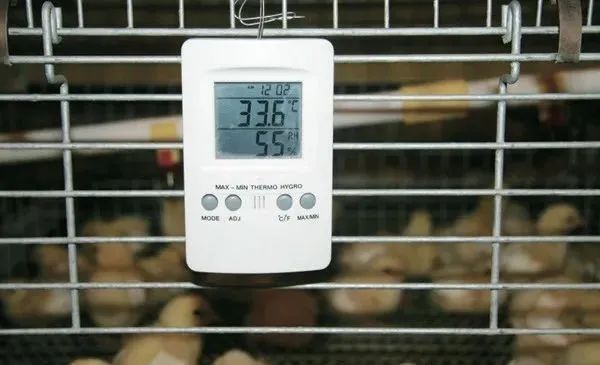
At this stage, thermoregulation is not fully developed. The body temperature of newly hatched chicks is 2~3℃ lower than that of adult chickens. It begins to rise gradually at 4 days of age and reaches the body temperature of adult chickens at 10 days of age; at around 3 weeks of age, thermoregulation gradually becomes fully developed. Only after 7~8 weeks of age do chicks become capable of adapting to changes in ambient temperature.
During spring and autumn, fluctuations in outdoor temperatures, combined with increased respiration in the flock and improper ventilation management, can cause unstable temperatures inside the chicken house, making the flock more susceptible to respiratory problems.
(II) Countermeasures
1, reasonably control immune stress and ensure that body weight meets the target
In terms of controlling immune stress, the measures generally taken are:
(1) Combined immunization: Two immunizations scheduled at similar ages can be combined if the vaccines do not interfere with each other. For example, fowlpox and influenza immunizations can be administered together, reducing the physical stress of catching the chickens 1 fewer times.
(2) Increase the interval between immunizations: When two immunizations are scheduled close together and the vaccines cause considerable chemical stress, consider increasing the number of days between them. As a general principle, wait until the stress from the previous immunization has subsided before administering the next one. This can effectively prevent cumulative stress. For example, there should preferably be an interval of more than 9 days between immunization with an oil-based vaccine for infectious coryza and immunization for laryngotracheitis.
(3) Vaccine selection: At this stage, it is best to choose vaccines that cause less stress. For example, choose a live vaccine with low virulence and reduce the vaccine dose (live vaccine 1-1.2 doses, inactivated vaccine 0.03 ML).
(4) During immune stress, anti-stress feed or medication can be given to help relieve it.
2, manage temperature and ventilation appropriately to prevent respiratory problems
Control temperature and manage ventilation appropriately to maintain a stable temperature inside the housing and prevent respiratory problems. Measures generally include:
(1) Heating equipment is stable. 2 days before the chicks arrive, check that the heating equipment operates normally during a test run. Also prepare backup or emergency heating equipment in case of equipment problems. After the chicks arrive, adjust the heating temperature promptly according to changes in the outdoor temperature to keep the temperature in the chicken house stable.
(2) The temperature inside the house is stable. Set the heating shutoff valves or automatic proportional control valves used to control the indoor temperature to suitable positions or temperatures, avoiding repeated adjustments that could cause temperature instability.
(3)Ventilation levels are stable. During brooding, maintaining warmth is the priority and ventilation is secondary. Based on the range of temperature changes over the week, set ventilation levels for different outdoor temperatures, adjusting them once a week. In spring and autumn, when outdoor temperatures are low, use the small circulation setting rather than the large circulation setting to prevent the fans from running for too long and causing the temperature inside the house to drop and become unstable.
II. Problems that may arise during rearing at 43-98 days of age and corresponding measures
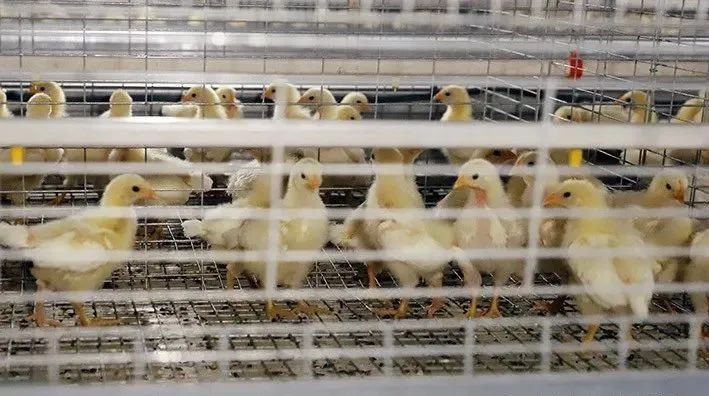
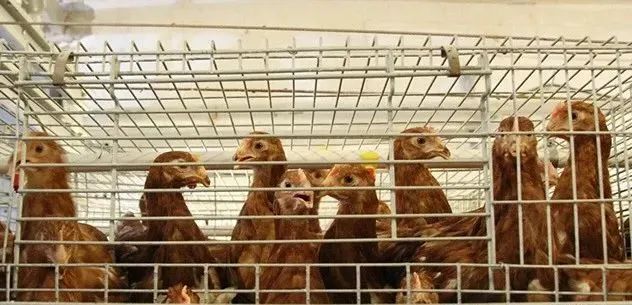
(I) Improper summer rearing management can easily result in substandard body weight uniformity
When chicks enter the rearing period, their body weight and skeletal frame enter a period of rapid growth. During the hot summer season, improper rearing management can result in substandard body weight uniformity in the flock.
(II) Strengthen feeding management to ensure body weight uniformity meets the standard
During the hot summer season, strengthen feeding management to encourage feed intake and ensure that the flock’s body weight uniformity meets the standard. General feeding management measures:
1. Reduce perceived temperature through wind-speed cooling and wet-pad cooling to increase feed intake in chickens. The suitable perceived temperature for growing chickens is 20-25℃. When the temperature exceeds 27℃, feed intake begins to decline. Between 27-32 ℃, for every 1℃ increase in temperature, daily feed intake per chicken decreases by 1-1.5g/chicken; between 32-36 ℃, for every 1℃ increase in temperature, daily feed intake per chicken decreases by 4.2g/chicken. Therefore, reducing perceived temperature is key to increasing feed intake in chickens.
2. Adjust to a nutrient-dense diet in advance, appropriately reducing the use of grain-based feed such as corn while increasing the energy level of the feed (add approximately 1% vegetable oil). Vitamins can also be added to the feed regularly. In particular, increase the amounts of vitamin C (0.015%~0.02%) and vitamins AD, etc. This can help alleviate heat stress and increase feed intake and growth rate, thereby meeting the growth and development needs of the flock.
3, adjust feeding times to increase feed intake. As temperatures gradually rise during the day, chickens eat less. Based on chickens’ daily feeding habits (morning intake is about 1/3 of the daily total, and afternoon intake is about 2/3 of the daily total), feeding times should therefore be adjusted to the cooler periods in the morning and evening.
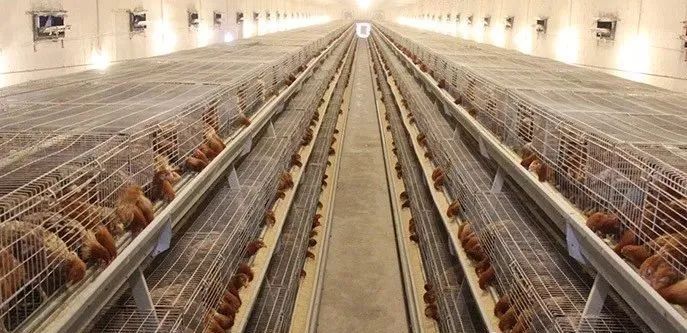
Rearing pullets is the foundation for high flock productivity and directly affects the production performance of laying hens. In feeding and management, follow chickens’ physiological characteristics and needs, and develop management plans for key points at different stages to prevent common problems. This is something all poultry farmers must take seriously.
Source: Smart Laying Hens; authors: Xu Baohua, Chu Lichun