
A pig farm’s success or failure depends on the average number of piglets produced per sow per year and the annual number of market pigs contributed per sow. This shows just how important sows are to a pig farm. Therefore, improving sow management is essential.
Sows are the printing machines of a pig farm; the farm’s production succeeds or fails with its sows. So, what details of sow management are easily overlooked?
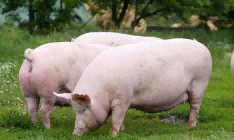
Dirty sows entering the farrowing room
Some pig farms still fail to wash sows before they enter the barn. When dirty sows enter the farrowing room, they may bring pathogens from thebreeding pigbarn. In addition, newborn piglets have almost no resistance to disease, so germs on the sow can easily infect them and make them sick. Therefore, it is especially important to clean and disinfect sows before farrowing.
Some pig farms use a method of one wash and two disinfections, together with measures such as promptly removing sow feces, effectively reducing the likelihood of newborn piglets becoming ill in the early period. What does one wash and two disinfections mean? It means that in thebreeding pighouse, dirt is washed off the sow, and she is then disinfected once with a medicinal solution. After she is moved to the farrowing crate, both the sow and the crate are disinfected again.
No prenatal examination
Piglets suckle only one teat throughout their lives. Once they have settled on a teat, they do not change. This is the teat-fixation habit of piglets. Sow's milk is the sole source of nutrition for suckling piglets, and unlike other animals, a sow's udder has no milk cistern and cannot store milk. Therefore, whether the udder is normal determines whether a piglet can survive and develop normally.
In production, sows' udders often become inflamed and swollen or atrophied, resulting in insufficient milk secretion. Piglets then suffer from malnutrition, have impaired development, are prone to disease, and have a high mortality rate. If udder health is monitored during pregnancy and the udders are examined, with appropriate measures taken for those that are not ideal, milk yield during lactation can be increased and piglet survival rates improved. Checking the number of functional teats in advance also provides a basis for later fostering and is more conducive to the survival of newborn piglets.
The farrowing room temperature is too high
The temperature in the farrowing room has an important impact on piglet survival. However, the temperature is often too high, which is detrimental to piglet growth and development. Why? Excessively high farrowing room temperatures affect the sow's feed intake, resulting in lower milk yield and an inadequate supply of nutrition to the piglets. On the other hand, when the ambient temperature is too high, piglets often go outside and do not know to return to the warming box, increasing the proportion that are crushed to death. In addition, if the temperature is unstable, piglets may fall asleep outside; when the room temperature drops, they may become chilled and develop colds or diarrhea.
Therefore, an excessively high farrowing-room temperature wastes energy and is also unfavorable for piglet production. Generally, a farrowing-room temperature of 18 to 22 degrees is reasonable. Above 24 degrees, the sow’s feed intake decreases. Therefore, while guarding against temperatures that are too low, it is also important to guard against temperatures that are too high.
Insufficient nutrition in sow feed
The nutritional supply for sows must meet both their own nutritional needs and the needs of their piglets for maximum growth. According to research by some scholars, a sow needs to consume more than 8 kilograms of feed per day to meet her nutritional needs. Our sows’ current feed intake falls far short of this standard. Increasing nutrient concentration is the only way to improve sow nutrition. Add animal and vegetable fats and oils; add individual amino acids to increase the levels of several limiting amino acids. When selecting feed, many pig farms do not consider the balance between energy and protein, the ratio of energy to amino acids, or the balance among amino acids. Instead, they simply increase the crude protein content. As a result, the quality of the sow’s milk does not improve; instead, excess protein increases the metabolic burden on the body.
Sows are the printing machines of a pig farm; the farm’s production succeeds or fails with its sows. So, what details of sow management are easily overlooked?
Dirty sows entering the farrowing room
Some pig farms still fail to wash sows before they enter the barn. When dirty sows enter the farrowing room, they may bring pathogens from thebreeding pigbarn. In addition, newborn piglets have almost no resistance to disease, so germs on the sow can easily infect them and make them sick. Therefore, it is especially important to clean and disinfect sows before farrowing.
Some pig farms use a method of one wash and two disinfections, together with measures such as promptly removing sow feces, effectively reducing the likelihood of newborn piglets becoming ill in the early period. What does one wash and two disinfections mean? It means that in thebreeding pighouse, dirt is washed off the sow, and she is then disinfected once with a medicinal solution. After she is moved to the farrowing crate, both the sow and the crate are disinfected again.
No prenatal examination
Piglets suckle only one teat throughout their lives. Once they have settled on a teat, they do not change. This is the teat-fixation habit of piglets. Sow's milk is the sole source of nutrition for suckling piglets, and unlike other animals, a sow's udder has no milk cistern and cannot store milk. Therefore, whether the udder is normal determines whether a piglet can survive and develop normally.
In production, sows' udders often become inflamed and swollen or atrophied, resulting in insufficient milk secretion. Piglets then suffer from malnutrition, have impaired development, are prone to disease, and have a high mortality rate. If udder health is monitored during pregnancy and the udders are examined, with appropriate measures taken for those that are not ideal, milk yield during lactation can be increased and piglet survival rates improved. Checking the number of functional teats in advance also provides a basis for later fostering and is more conducive to the survival of newborn piglets.
The farrowing room temperature is too high
The temperature in the farrowing room has an important impact on piglet survival. However, the temperature is often too high, which is detrimental to piglet growth and development. Why? Excessively high farrowing room temperatures affect the sow's feed intake, resulting in lower milk yield and an inadequate supply of nutrition to the piglets. On the other hand, when the ambient temperature is too high, piglets often go outside and do not know to return to the warming box, increasing the proportion that are crushed to death. In addition, if the temperature is unstable, piglets may fall asleep outside; when the room temperature drops, they may become chilled and develop colds or diarrhea.
Therefore, an excessively high farrowing-room temperature wastes energy and is also unfavorable for piglet production. Generally, a farrowing-room temperature of 18 to 22 degrees is reasonable. Above 24 degrees, the sow’s feed intake decreases. Therefore, while guarding against temperatures that are too low, it is also important to guard against temperatures that are too high.
Insufficient nutrition in sow feed
The nutritional supply for sows must meet both their own nutritional needs and the needs of their piglets for maximum growth. According to research by some scholars, a sow needs to consume more than 8 kilograms of feed per day to meet her nutritional needs. Our sows’ current feed intake falls far short of this standard. Increasing nutrient concentration is the only way to improve sow nutrition. Add animal and vegetable fats and oils; add individual amino acids to increase the levels of several limiting amino acids. When selecting feed, many pig farms do not consider the balance between energy and protein, the ratio of energy to amino acids, or the balance among amino acids. Instead, they simply increase the crude protein content. As a result, the quality of the sow’s milk does not improve; instead, excess protein increases the metabolic burden on the body.