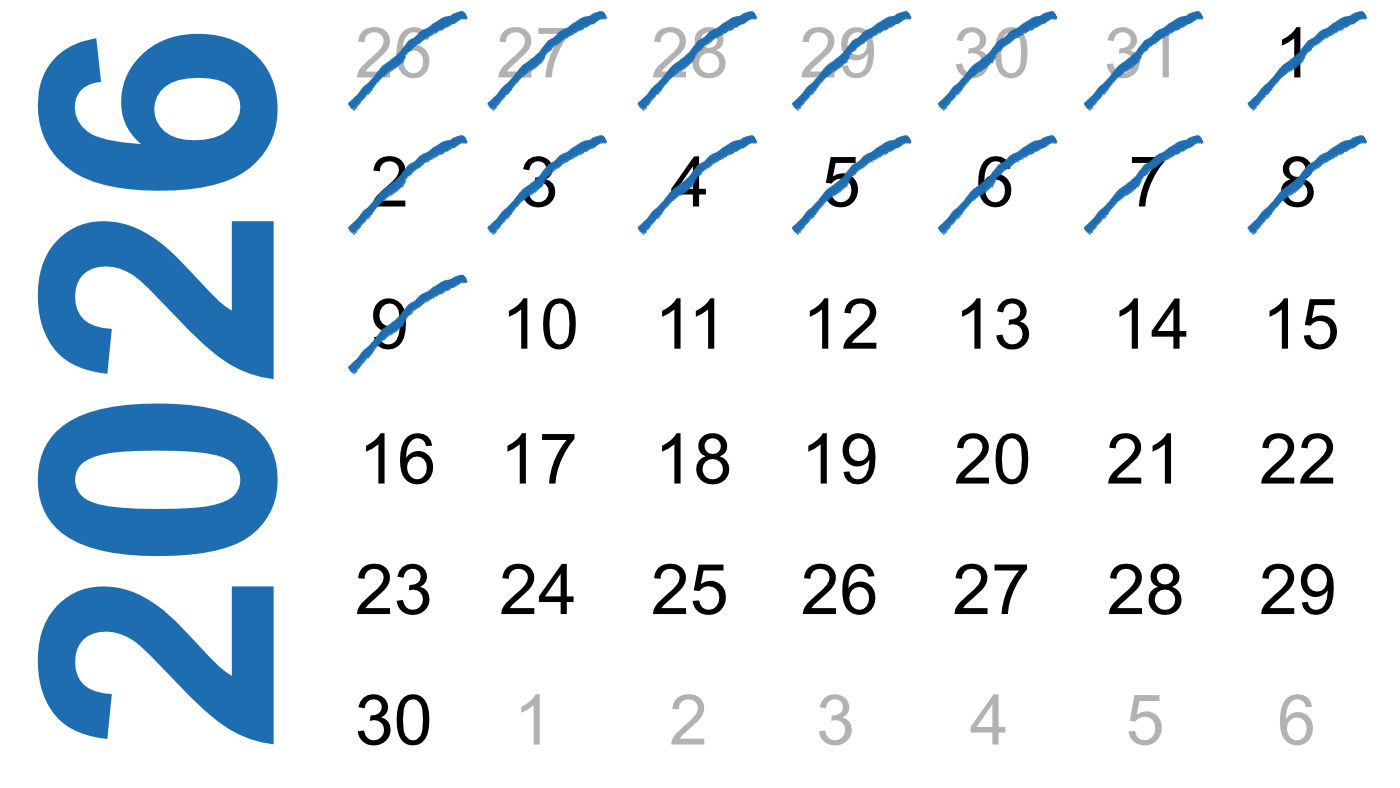
There are 52 days left before 2026 comes to an end, and events are unfolding at breakneck speed, amplified by the news and algorithms. To understand what is happening with grain and protein prices, it is worth reviewing the key factors that are most influencing them. Beyond global supply and demand (a necessary but not sufficient condition for ensuring affordable prices), politics, the war in Ukraine, the conflict in the Strait of Hormuz, geopolitics, and European regulations are setting the pace.
Let’s start with the United States and its political context. Just a week ago, for example, the November 3 midterm elections turned much of the country blue and gave the Democrats control of both chambers, which will make it harder for the current administration to push through its changes and policies. It’s worth remembering that Trump took office on January 20, 2025: he has been in the Oval Office for 658 days, and barring an impeachment (a possibility that, following the results of November 3, seems unlikely for purely mathematical reasons), he has 729 days left until the presidential election on November 7, 2028. Although, in reality, we could add a few more days, because he will not leave office until January 2029.
The Russian invasion of Ukraine began on February 24, 2022. It has now been 1,719 days since the start of a war that has claimed thousands of lives among military personnel (on both sides) and civilians, and has left millions displaced—the largest refugee movement Europe has experienced since World War II. On November 10 and 11, new peace talks will be held in Abu Dhabi, with the United States and Europe, among others, at the table. Any progress would help lower wheat prices and allow for long-term purchases to be considered again.
Wheat futures on MATIF (Euronext) have fallen by €31.25/t since October 15, reaching a low of €218.50/t on November 6. This is a significant decline, undoubtedly, but it is worth putting it into perspective: on December 17, 2025, MATIF hit a low of €197.75/t. This price was an anomaly, setting the year's low in December, as lows typically occur in late August and early September, under pressure from the European harvest.
That's as far as the futures market is concerned. The flat price at ports hasn't fallen as substantially, since the decline has been offset by the rise in basis (to put it simply—and even if this is a bit of an oversimplification—the basis reflects the cost of transporting wheat from its origin to the importing destination). And why has the basis for wheat and barley at ports gone up? Because of the increase in attacks on ships in the Black Sea over the past six months, amid escalating naval hostilities between Russia and Ukraine; ships have even been attacked in Bulgaria’s exclusive economic zone. It is true that there is an abundance of wheat in the Black Sea, but that supply must be able to reach consumer destinations for prices at Spanish ports to drop significantly.
Another destabilizing factor that directly impacts prices is the offensive launched by the United States and Israel against Iran on February 28. It has been 254 days, and the Strait of Hormuz has seen disruptions to the usual flow of oil, gas, and products such as urea. The rise in oil prices has sent freight rates soaring and, with them, the cost of the entire supply chain. This is reflected in the eurozone CPI, which stood at 2.38% in January 2026 and has climbed to 4% in November.
Then there is the EUDR, the European regulation against deforestation, which will take effect on December 31. I think we are all aware of the importance of protecting the environment and curbing deforestation. What the European Union should be asking itself is whether this is the right mechanism to achieve that, or whether it is just another rule adding to an already overwhelmingly burdensome regulatory framework, once again undermining the competitiveness of European producers. The Commission has delayed its implementation by two years, and all signs point to the fact that in 2027 we’ll have to adapt—although, as we mentioned, there are still 52 days left. Even so, and given this uncertainty, soybeans were trading at €470/t a few days ago. Despite the risk the EUDR poses to the supply of plant protein in Europe—especially soybean meal—the price for a January–March position has fallen by €55/t.
In summary, port prices have fallen considerably over the past two months: corn could be covered at around €235/t for January–March, and wheat at around €242/t. The general feeling is that they could drop a bit further. Let’s not forget the very difficult situation Spanish producers are facing due to the drop in pig prices and the resulting decline in consumption. The prudent course of action would be to lock in positions for at least the first quarter, even at the risk that prices might fall further. It’s important to remember that waiting until the last minute to buy—only for the market to drop afterward—isn’t good purchasing strategy; it’s just luck.
In Europe in general, and in Spain in particular, the collective feeling is that we are headed toward an economic slowdown, with a consequent decline in consumer spending—which until now has been artificially boosted by consumer credit and loans. This lack of enthusiasm and optimism about the future also weighs on expectations in an economic environment threatened by interest rate hikes from central banks aimed at curbing inflation. Even so, we prefer to remain optimistic; the sector has proven time and again that trust among all links in the chain carries more weight than any market price. There are 52 days left until the end of the year: let’s nurture that trust.