
In today’s swine business, the farrowing unit is the true heart of profitability. The goal seems simple, but it is extremely demanding: to maximize the number of quality piglets weaned at the lowest possible cost. Achieving this requires a comprehensive approach that brings together the sow, her litter, the infrastructure and, of course, management.
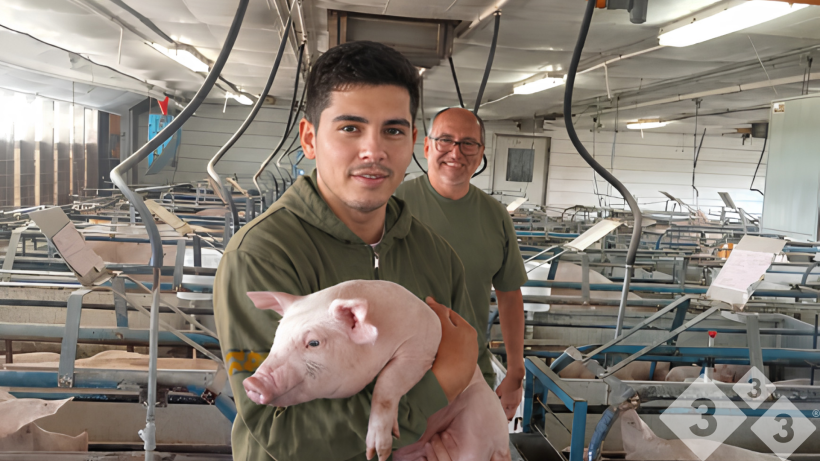 Figure 1. High-quality piglet close to weaning
In technical management, attention often focuses on the cold numbers at weaning; however, production efficiency must harmoniously integrate the sow’s health, her subsequent performance, piglet development, biosecurity, and the ergonomics of the personnel who work in the field every day.
Farrowing-crate design and mortality control
Crushing mortality remains the Achilles’ heel of farrowing in farms, accounting for up to 70 % of pre-weaning mortality. In addition, today’s sows are substantially more prolific than those of a couple of decades ago, so farrowing pens must accommodate an average of between 1 and 2 more piglets. The space available for the sow and her piglets becomes critical, making it necessary to assess adaptations and apply more rigorous management practices to mitigate the lack of space.
Crushing mortality in free farrowing systems can rise to 11,8 %, compared with 1,1 % in well-designed crates. (Glencorse 2019, Kilbride et al 2011, ales et al 2013). Field studies show that adding anti-crushing bars can reduce the number of piglets lost per litter by 0,5. (PIC technical communication, n.d.).
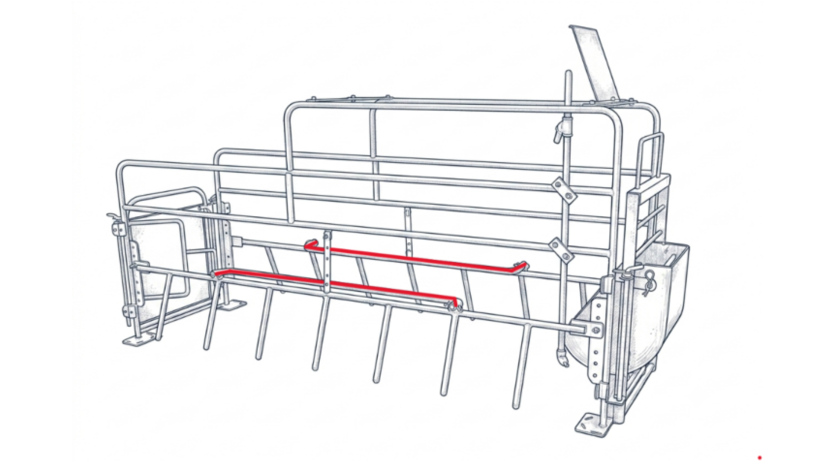 Figure 2. Farrowing crate with anti-crushing bars (highlighted in red) and an interior spacing of approximately 40cm
On the other hand, intermediate solutions such as temporary crating are being considered; that is, keeping the sow in her farrowing crate during the first 48 to 72 critical hours of farrowing and the postpartum period, then releasing her to improve her welfare and allow her to express her natural behavior.
Nutrition and management of the lactating sow
No farrowing operation will thrive if the sow’s nutrition is neglected. Nutrition during lactation is vital for piglet development and for preserving the breeding sow’s productive life.
A high-producing lactating sow requires an adequate supply of nutrients to produce enough milk for current litters. If feed intake is insufficient, the sow enters a severe negative energy balance: she uses her own body reserves, loses body condition, and her milk production drops sharply. This reduces litter weight at weaning and directly compromises the sow’s future productivity. This results in:
- A longer weaning-to-estrus interval (WEI).
- A lower farrowing rate in the next cycle.
- Smaller or more uneven future litters.
Feeding and drinking systems must ensure that fresh feed is available whenever the sow needs it. It is worth noting that this is not an expense, but the most cost-effective investment for preserving the sow’s productive potential. In this regard, automatic feeders and electronic sow feeding systems (ESF) offer very high profitability and return on investment.
Likewise, providing drinkers for piglets is highly recommended, especially if creep feeding is incorporated into routine management.
Environment and hygiene for piglet development
Since piglets are born with limited energy reserves, ensuring colostrum intake during their first hours of life is crucial not only for their survival, but also for providing an appropriate physical environment:
- Flooring and hygiene: In the sow area, cast iron is preferable because of its durability and coolness. For piglets, field observations in Latin America and Spain show that metal slats or tri-bar flooring outperform plastic, as they retain less organic matter (which acts as a reservoir for Cystoisospora suis oocysts), thereby reducing the incidence of diarrhea and achieving up to 200 g of additional weight at weaning (Field observations, Chile, 2025)
- Differentiated thermal management: The sow, weighing 200 kg, requires an ambient temperature between 18 °C and 22 °C to be comfortable. If the room exceeds 25 °C, feed intake decreases and consequently milk production is reduced. Piglets, on the other hand, require between 32 °C and 35 °C. Addressing this difference requires focusing additional heat sources on the litter, as far away from the sow as possible.
The use of heating plates or mats (minimum 0,04 m² per piglet) has demonstrated advantages over infrared lamps in terms of energy efficiency, provided that these devices are properly managed and maintained. Currently, many farrowing units are adapting to total environmental control systems to ensure an optimal microclimate for both the sow and the piglets.
Staff ergonomics and room sanitation
It is recognized that no system works without the human factor, and in farrowing units, trained staff are a highly valuable asset. Facilitating their work with aisles that allow smooth movement and a clear view of the litters, feeders, and udder line is a high-return measure. Quick-opening crates, appropriate partition heights to prevent lower back injuries, and nests visible from the aisle optimize farrowing assistance and litter management tasks.
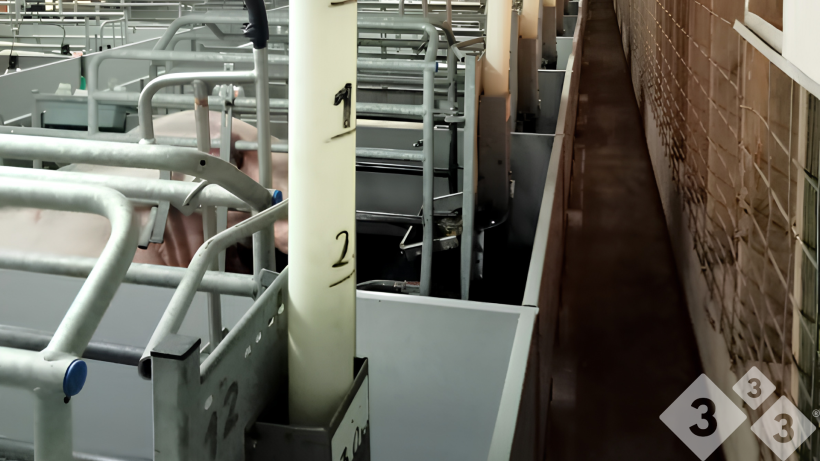 Figure 3. Aisle that allows inspection of feeders and automatic feeding systems in the farrowing unit
From a health standpoint, the All-In / All-Out flow is non-negotiable: rooms must be completely weaned, with no animals left behind. A recurring problem resulting from increases in parameters such as the farrowing rate is placing sows on wet floors. It is essential to observe the sanitary downtime to achieve complete drying after washing and disinfection, since residual moisture keeps pathogens viable. Batch farrowing management emerges as a strategic alternative for structuring this process.
To keep pre-weaning mortality below 10 %, with the number and kilograms weaned per sow aligned with genetic improvement, infrastructure, management, and staff care must work together. A profitable farrowing unit is one where the sow consumes the necessary feed and recovers, the piglets grow strong, and the work team operates safely and with motivation.
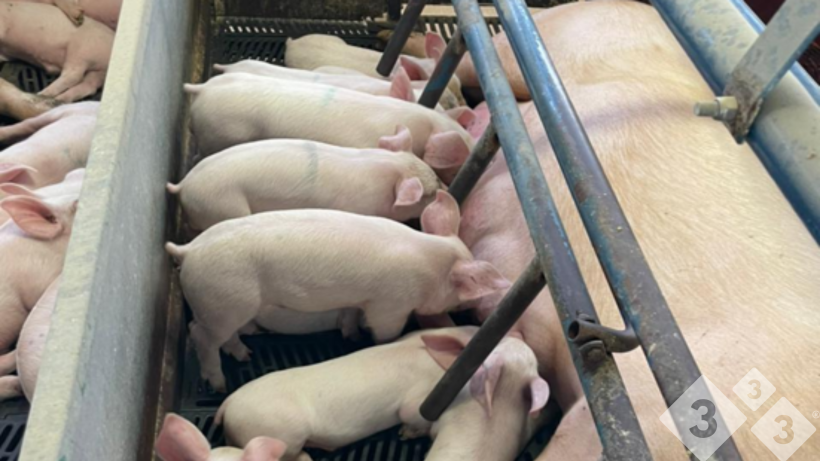 Figure 4. The goal is to maximize the number of quality piglets weaned at the lowest possible cost