
1, waterline height (brooding period):
Age in days/2+10cm±1cm (distance from the bottom edge of the nipple to the cage floor)
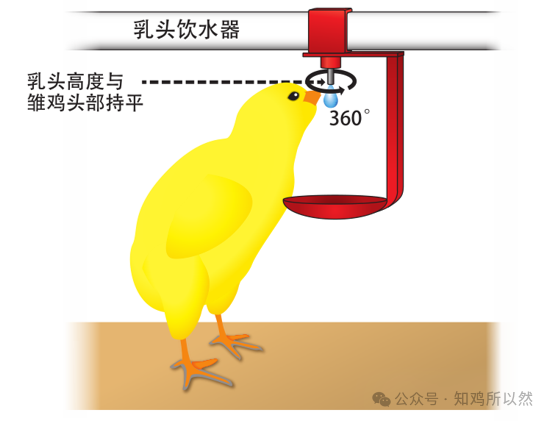
0-3 days: Adjust the nipple drinker system so that a small drop of water hangs from each nipple, helping chicks find the drinking water. Because water reflects light, chicks can more easily spot the drinker nipples and start drinking sooner.
Making the water splash in the cups is very useful during brooding and when brooding in hot weather.
360-degree nipple drinkers can help chicks drink more conveniently.
For chicks that have undergone infrared beak trimming, only use 360-degree movable nipples.
Market feedback indicates that the drinking water needs of Jingfen 6 chicks require particular attention. Otherwise, if the chicks cannot drink in time or do not drink enough, brooding results are more likely to be unsatisfactory.
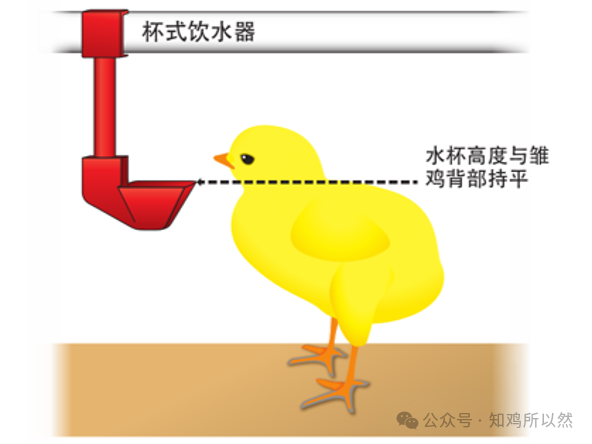
From day 0 to day 3, the cups need to be filled manually to train the chicks to drink.
Open drinkers (bell, Plasson, cup, and trough drinkers) are easily contaminated and need to be cleaned daily.
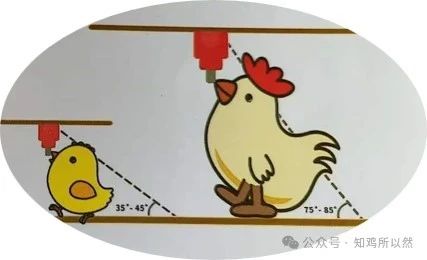
Start with the chicks drinking at an angle of 30-45°, then gradually increase the relative height. In the later stage, a drinking angle of 60-70° is recommended.
2, the “111” principle for waterline control:
The height difference along the same water line must not exceed 1 centimeters
The water line height difference within the same level does not exceed 1 centimeters
The water pressure difference within the same poultry house does not exceed 1 centimeters
3, nipple water output:
Brooding period: weeks of age*5+28ml/minute
Rearing period, laying period: 60-90 ml/minute