
Feed is the primary source of nutrients for flock growth and development, egg production, and reproduction. Its freshness directly determines nutrient utilization, flock health, and overall farming efficiency. Hot, humid weather can easily accelerate feed oxidation, mold growth, and rancidity, reducing feed freshness. Therefore, managing feed freshness can effectively mitigate farming risks, reduce feed consumption, and increase production capacity.
I. Key Effects of Feed Freshness on Flocks
1, Reduced Growth and Egg-Laying Performance
Spoiled feed causes substantial losses of functional nutrients such as vitamin A, vitamin E, and B vitamins, leading to a decrease in flock feed intake of 10%–20%, a decline in egg production rate of 5%–15%, and a shortening of the peak egg-laying period by 2–3 months.
2, weakens the flock’s immunity and triggers disease
Spoiled feed is prone to harboring various mycotoxins, including aflatoxin, vomitoxin, and zearalenone. These can damage the flock’s immune system and cause immunosuppression, making outbreaks of diseases such as proventriculitis, enteritis, and respiratory diseases highly likely. In some severe cases, an entire poultry house may become ill, dealing a devastating blow to poultry production.
3, reduces poultry product quality and poses safety risks
When laying hens consume stale feed, eggshells become thinner and more fragile, yolk color becomes lighter, and the eggs develop an abnormal fishy smell; mycotoxins may remain in the eggs, directly threatening food safety and crossing the red line for compliant farming.
4, causing feed waste and driving up farming costs
Spoiled feed cannot be fed to the hens and must be discarded. In summer, the feed discard rate can typically reach 5%–10%. Combined with reduced feed intake and losses from illness in the flock, this increases the farming cost per chicken and severely squeezes profit margins.
II. Key causes of declining feed freshness
1, Poor-quality raw materials: Excessive moisture, damp clumping, or slight mold growth in raw materials create a risk of deterioration at the source.
2, Improper storage: Warehouse temperature and humidity exceed limits, ventilation is poor, or goods are not kept away from walls and off the floor, leading to moisture absorption, clumping, and mold growth.
3, Environmental effects: High temperatures, high humidity, and direct light accelerate feed oxidation and rancidity; pests and rodents gnaw on and contaminate the feed.
4, Processing/transport errors: Contamination during production, or exposure to strong sunlight, rain, or other contaminants during transport.
5, careless feeding: excessive feed residue in troughs that is not cleaned up for a long time, feed becoming damp due to leaking water lines, etc.
III. Measures to Improve Feed Freshness During Hot, Humid Seasons
(I) Source Control
1, Strict Raw Material Screening
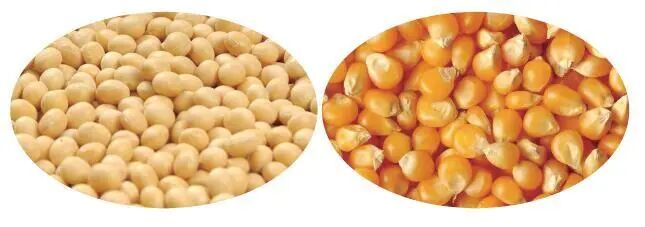
Prioritize raw materials from reputable manufacturers with complete qualifications. Focus on testing indicators such as moisture, microorganisms, and mycotoxins. Reject raw materials that are damp, heating up, clumped, moldy-smelling, or infested with insects, ensuring quality is controlled at the source of procurement.
2, on-site sensory inspection
Establish a “look, smell, and touch” inspection procedure during acceptance: check the color (no blackening, darkening, discoloration, or clumping); smell the material (no sour, moldy, rancid, or other unusual odors); and feel the texture (dry and loose, not sticky to the touch, and free of clumps). For each batch of raw materials, take samples from 3-5 different locations for inspection. Reject any nonconforming raw materials, and strictly prohibit them from entering the plant.
3, established quality suppliers
Work with suppliers that have a good reputation and a stable supply.
(II) Warehouse Management
1, optimize storage conditions
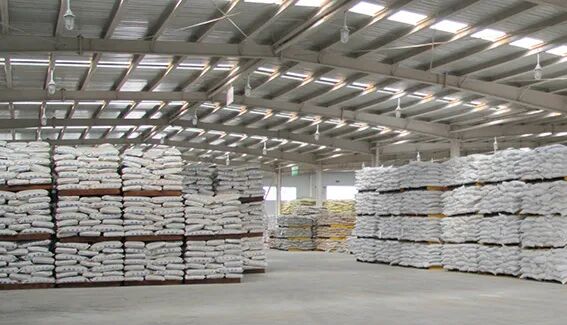
Safe storage is key to preventing feed from deteriorating. Ensure that it is “dry, well-ventilated, protected from light, separated from walls and kept off the floor.” Check the temperature and humidity in storage regularly. In summer, check the warehouse temperature and humidity three times a day—in the morning, at midday, and in the evening—to ensure that the warehouse temperature stays below 25℃ and the relative humidity stays below 65%. If necessary, use equipment such as exhaust fans and dehumidifiers to adjust the storage environment.
2, implement “first in, first out”
Raw materials must be used strictly according to their warehouse receipt dates, following the “first in, first out” principle. Maintain an inventory ledger for incoming raw materials, clearly recording the receipt date and shelf life of each batch. Prioritize using materials received earlier to prevent oxidation and deterioration caused by long-term storage.
3, prevent insect and rodent infestations
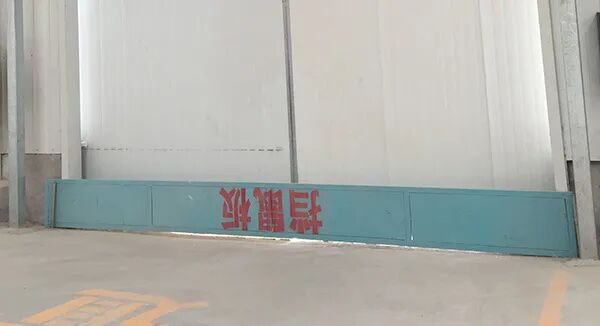
The warehouse is equipped with bird- and rodent-proof facilities, such as bird netting and rodent barriers. Rodent bait and pest control equipment are deployed regularly. Pest infestations and contamination of feed by rodent droppings are strictly prohibited.
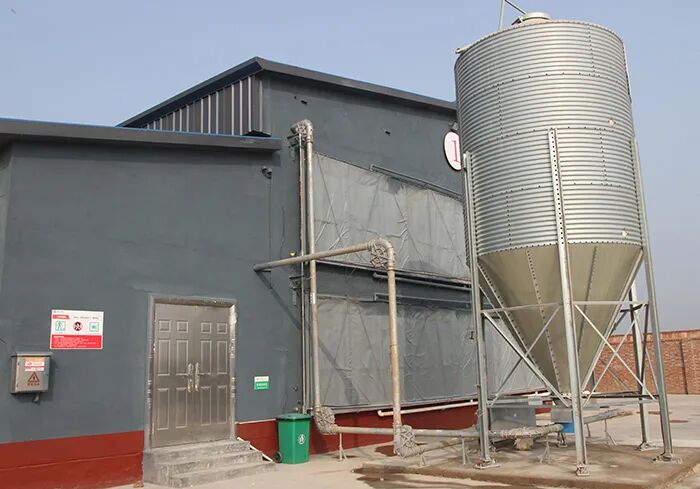
4, bulk feed bin cleaning
The bins must be thoroughly cleaned at least 1 times per week to remove caked feed and dust from hard-to-reach areas. After each cleaning, they must be thoroughly ventilated and dried. They may be put back into use only after confirming that no residual moisture remains.
(III) Processing controls
1, prepare fresh and feed immediately
When mixing feed yourself, it is advisable to prepare no more than 3 days’ worth at a time to avoid prolonged storage.
2, reduce finished-feed inventory
During summer, feed manufacturers should control the quantity produced in each production run and appropriately reduce finished-feed inventory to ensure feed freshness.
3, control processing parameters
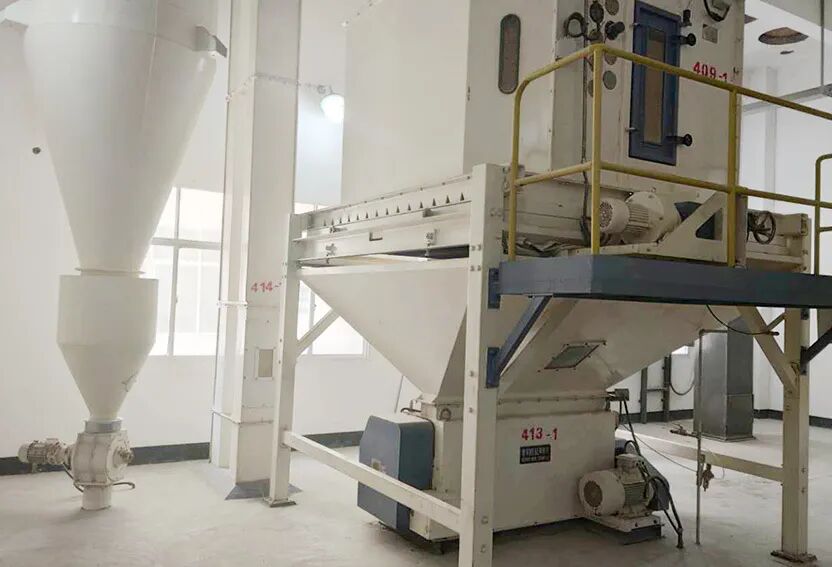
Control the pelleting temperature of the granulated feed at 70 ̄85℃. Store it only after it has cooled sufficiently, ensuring that the finished product has a moisture content of ≤14%. Avoid excessively fine grinding of the raw materials; control the corn particle size after grinding to 2.5 ̄3.0毫米. This reduces the surface area exposed to air, slows oxidation, and extends the feed's shelf life.
(IV) Feeding Management
1, precision feeding
Implement precision feeding and empty-trough management according to feed consumption standards for flocks of different ages and laying rates. Create a mild sense of hunger so that the flock finishes eating as quickly as possible each time feed is provided, reducing the time feed remains in the trough and preventing it from spoiling after prolonged exposure to high temperatures and humidity.
2, clean feed bins and troughs
Clean the feed bins weekly to prevent feed residue on the inner walls from becoming moldy and contaminating fresh feed. Clean the troughs at set times every day, especially the feed residue in the corners, to maintain hygiene and prevent souring or spoilage of leftover feed that could cause digestive tract diseases if eaten by the flock.
3, strictly prevent feed from getting damp
Check whether the water lines and nipples are leaking to prevent water from flowing into the feed troughs; immediately remove any damp, caked feed and never feed it to the birds.
Feed freshness essentially means complete nutrition, no spoilage, and no toxin contamination. Once freshness declines, it can cause irreversible harm to the flock in four areas: growth, health, production capacity, and cost. Controls must be implemented at every stage, from raw material purchasing through feeding, to preserve feed nutrients as much as possible and achieve the goals of protecting flock health, maintaining stable production capacity, and improving efficiency.