
The ideal temperature for the growth and egg production of adult chickens is 18-25℃. A good production level can also be achieved between 13-28℃. The day-to-night temperature difference inside the house should preferably be kept within 5℃ and must not exceed 8℃. The temperature at horizontal points inside the house should be kept within 2℃, and the vertical temperature difference should not exceed 1℃. The temperature inside the poultry house should be adjusted according to changes in the outdoor temperature to keep it within a reasonable range.
This article focuses on sidewall ventilation inlets in ventilation systems, also known as ventilation windows or poultry house air inlets.
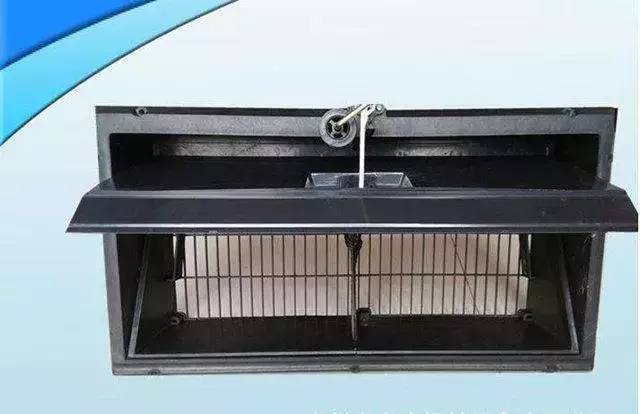
I. Functions of sidewall inlets
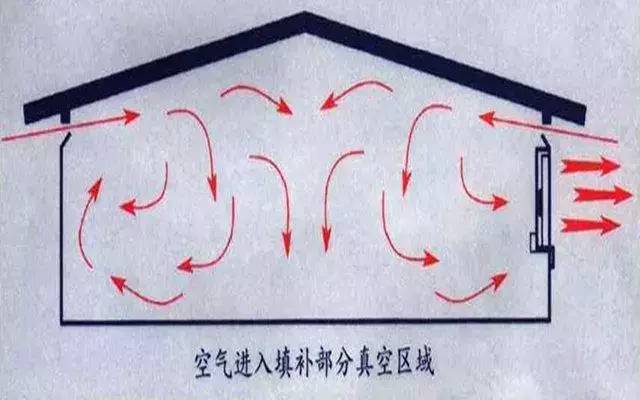
In negative-pressure ventilation systems, there are 2 periods when sidewall inlets are needed.
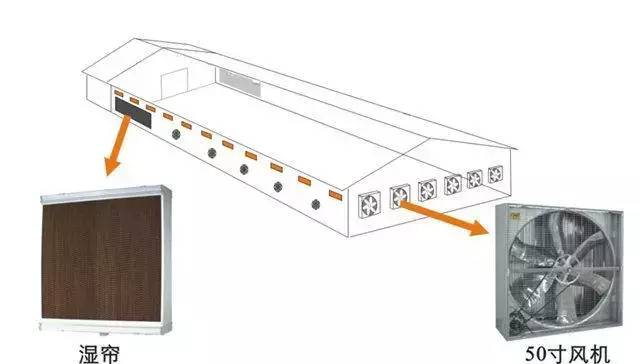
1. Use in mixed-mode ventilation: Exhaust fans at the end of the poultry house remove air. Close the inlets at the front of the house and at the sidewall cooling-pad locations, so that air enters the house through the ventilation windows above the sidewalls. This ensures that fresh air enters the house while preventing incoming cold air from blowing directly onto the birds. This is especially useful in spring and autumn, when it can maximize air exchange inside the house, mix the air evenly, and help maintain an even temperature throughout the house.
2. Use in cross ventilation: Install exhaust fans on one sidewall. When operating in cross-ventilation mode, open only the inlets on the sidewall opposite the cross-ventilation fans, and close the inlets on the same side as the fans. Cross ventilation is intended to maintain air quality without causing excessive changes in the temperature inside the poultry house, because the birds generally do not feel air blowing over them. It is generally used during cold seasons and brooding.
II. Specifications of Sidewall Inlets
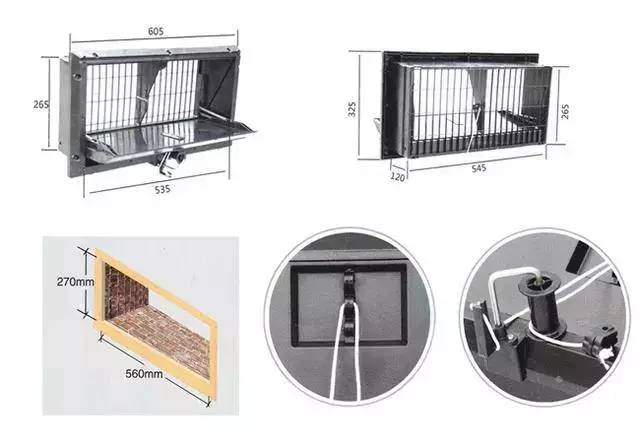
In most cases, the air inlet slot should extend nearly the full length of the poultry house to provide sufficient ventilation. Therefore, in practice, it is best to make the inlet as long and narrow as possible. Various overall dimensions are available, generally including: width 560mm, height 270mm; width 600mm, height 320mm; or width 700mm, height 300mm, among others.
III. Materials for Sidewall Inlets
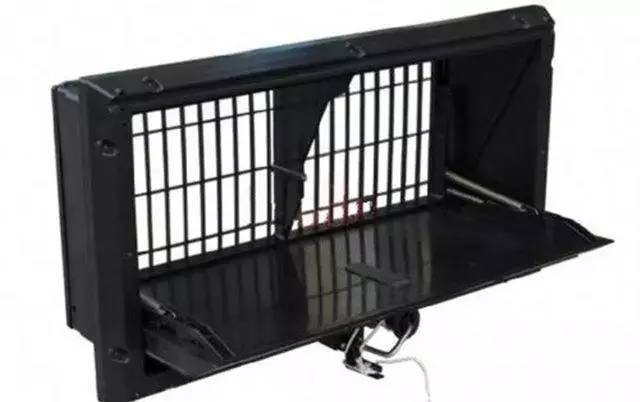
They are generally made by injection molding engineering plastics, which are highly durable and resistant to aging. A bird net should preferably be installed over the outer opening.
IV. How to Configure Sidewall Inlets
Many companies configure ventilation inlets not by calculating the ventilation volume required for the number of birds, but by estimating based on the length of the poultry house—for example, one every 3 meters or 4 meters. This experience-based design, which has no sound basis, introduces many uncertainties into ventilation management during rearing and prevents the temperature-control system from achieving its expected results.
Generally, the most suitable negative pressure is 16.3pa, and the most suitable air velocity at the sidewall inlet is 4.7m/s.
Principle for calculating the number of sidewall inlets and air inlet doors:
Once the inlet airflow for mixed ventilation has been calculated, if the airflow entering through the sidewall dampers can meet the exhaust airflow requirements for mixed ventilation, the number of dampers will also meet the minimum ventilation requirements. Air exchange rate = total poultry house volume / exhaust airflow. Minimum ventilation: 8-15 minutes; transitional ventilation: 5-8 minutes; maximum ventilation: 1 minutes. Air exchange per chicken per kilogram of body weight: 0.015 (cubic meters/kg/minute).
Example: The poultry house is 100 meters long, 12 meters wide, with a wall height of 3.8 meters and a ridge height of 1.5 meters. Its volume is 5460m³. Assuming transitional ventilation is calculated over 5 minutes, the air exchange per second = 5460m³ ÷ 5 ÷ 60 = 18.2m³.
Side air inlet area:
Assuming an inlet air velocity of 4.7m/s, the inlet area = 18.2m³ ÷ 4.7m/s = 3.87㎡,
Number of side windows:
Assuming each window is 0.56m long and 0.27m wide, 3.87㎡ ÷ 0.1 ≈ 39 air inlets. Since the windows can be opened to a maximum angle of 45° during the warm season, 78 windows need to be installed, i.e., 39 on each side wall.
V. Installation of Side Windows
The side windows must be at least 500 from the top of the chicken cages, and the eaves must be at least 300 from the small windows. The wall on one side of the small windows must be flush. Within a height of 15cm below the small windows, the structure must be suitable for securing expansion bolts; hollow bricks must not be used. To prevent rainwater from flowing back in, the inner edge of the bottom of the small window opening must be higher than the outer edge.
In practice, one issue that farmers should watch out for is that the air inlet may be opened too little, which can easily cause negative-pressure hypoxia and problems such as ascites. The reason is simple: the air inlet is insufficient, so too little fresh air enters, causing hypoxia.