
By 2036, egg powder sales will climb to 9.22 billion U.S. dollars (approximately62 billion yuan), with whole egg powder and dietary supplements leading global demand.
↓
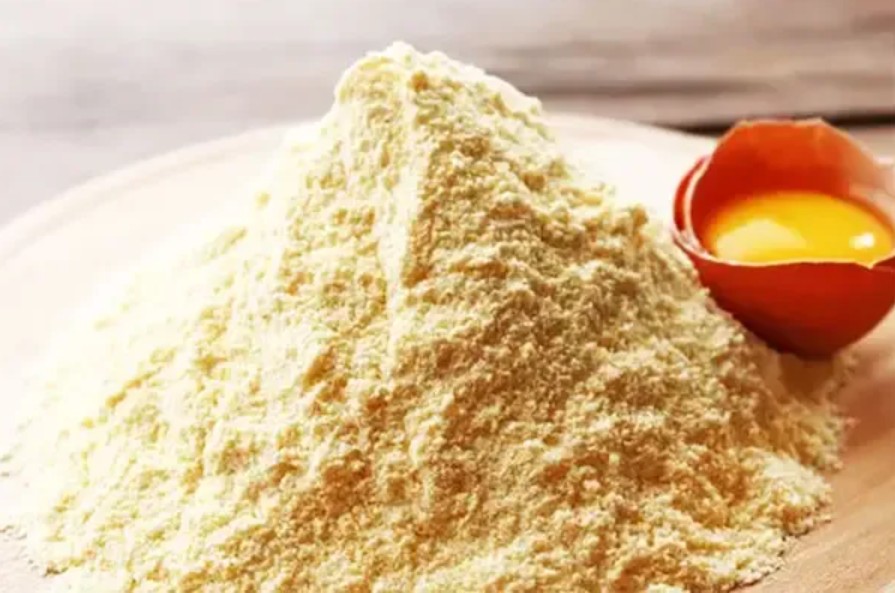
The global egg powder market was valued at 5.786 billion U.S. dollars in 2026 and is projected to reach 9.221 billion U.S. dollars by 2036, growing at a compound annual growth rate of 4.8%.As food processing plants replace shell eggs and liquid eggs with long-shelf-life dried egg powder to reduce costs and simplify storage, market demand continues to grow. According to a report by Future Market Insights, this shift is reshaping the global bakery, noodle, sauce, and nutritional products industries.
Product Type Trends
By 2026, whole egg powder is expected to account for 62.4% of the market, reflecting its broad use in applications such as baking, dry mixes, and ready-to-eat foods. Buyers prefer a powder that can replace shell eggs, liquid egg whites, and liquid egg yolks, simplifying approval and storage processes. Some companies emphasize that whole egg powder can restore the nutritional balance of natural eggs after rehydration, strengthening its position in food service and retail channels.
Egg white powder and egg yolk powder remain important, but their applications are narrower. Egg white powder is commonly used in dietary supplements and sports nutrition products, while egg yolk powder is used to make mayonnaise and specialty sauces.
End-Use Applications
By 2026, demand from dietary supplements will account for 22.4% of total demand, making it the largest single category among the diversified consumer groups.Supplement brands use egg white protein in dry mixes, energy bars, and shakes, providing a dairy-free animal protein option in fixed doses. Companies such as Bouwhuis Enthoven and Rembrandt Foods sell high-protein isolates tailored for sports nutrition, further strengthening egg powder’s position in this field.
Bakery products, confectionery, noodles, and mayonnaise together consume a larger total volume of powder, but supplements remain the category with the largest market share because protein demand is concentrated.
Regional growth
Growth rates vary by country:
Japan:The fastest CAGR, at 5.8%, driven by smart livestock technology initiatives and strong demand from processors such as Kewpie.
Germany:CAGR of 5.4%, driven mainly by growth in free-range and organic egg production.
United States:CAGR of 4.5%, driven by a large consumer base and declining prices for fresh eggs.
United Kingdom:CAGR of 3.9%, with liquid eggs dominating, while dried egg products are emerging.
South Korea:Lowest CAGR, at 3.5%, recovering from the impact of avian influenza outbreaks.
Market Drivers and Challenges
The egg powder market benefits from several clear drivers. Its shelf-stable properties reduce the need for refrigeration and minimize measurement errors, making egg powder more suitable for large food processing plants.Export shipments also favor the dry form, as egg powder is easier to transport than liquid eggs and blends seamlessly with dry mixes. These advantages continue to drive processors to adopt egg powder.
However, challenges remain. Avian influenza outbreaks may tighten the supply of raw eggs, causing production and price fluctuations. In addition, switching suppliers is not easy. Food companies must reassess formulations and conduct microbiological testing, which increases costs and slows the transition. These obstacles limit flexibility and may delay expansion plans.
At the same time, new opportunities are emerging. Functional grades with enhanced whipping, binding, and emulsifying properties are gaining favor, offering processors more reliable performance across a range of applications. Export certifications and technical support also present growth opportunities, particularly in Asia and the Middle East, where demand for high-quality protein ingredients continues to grow.