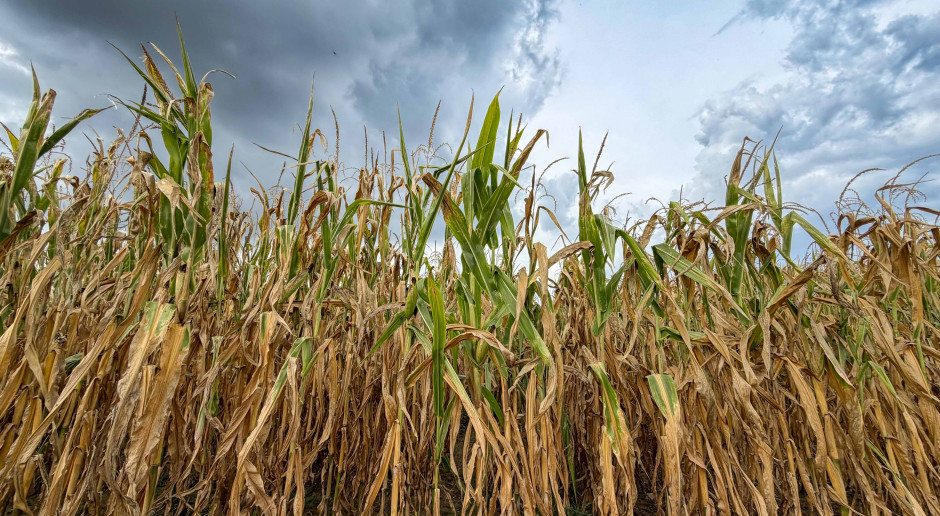
- For grain maize, revenue depends on both yield and moisture, as moisture affects deductions and drying costs.
- COBORU data show that in 2025, moisture at harvest was higher than in 2024 across all maturity groups.
- Flint and dent grain types differ in structure and the rate at which they release water, which may translate into price differences of around 30–75 PLN/t.
Among the most economically important crops grown in Poland, maize is a distinctive crop. While in cereals or rapeseed it is ultimately the yield itself and its quality that are key, in maize production revenue depends on the grain yield obtained and the moisture content of the harvested crop. As in no other crop, this second factor has a major impact on the revenue that can be achieved and determines the economic balance. Just as grain yield can vary considerably depending on moisture at harvest, so too is the potential profit per hectare dependent on moisture content.
This often raises the question of whether harvesting at a given time, at a particular moisture level, is justified. Another consideration is whether to sell the grain wet or dry it first. If we ask ourselves this question, it is worth bearing in mind that not every variety releases water in the same way. This is precisely what we want to examine in particular. Drying costs are indirectly correlated with the variety. At the final