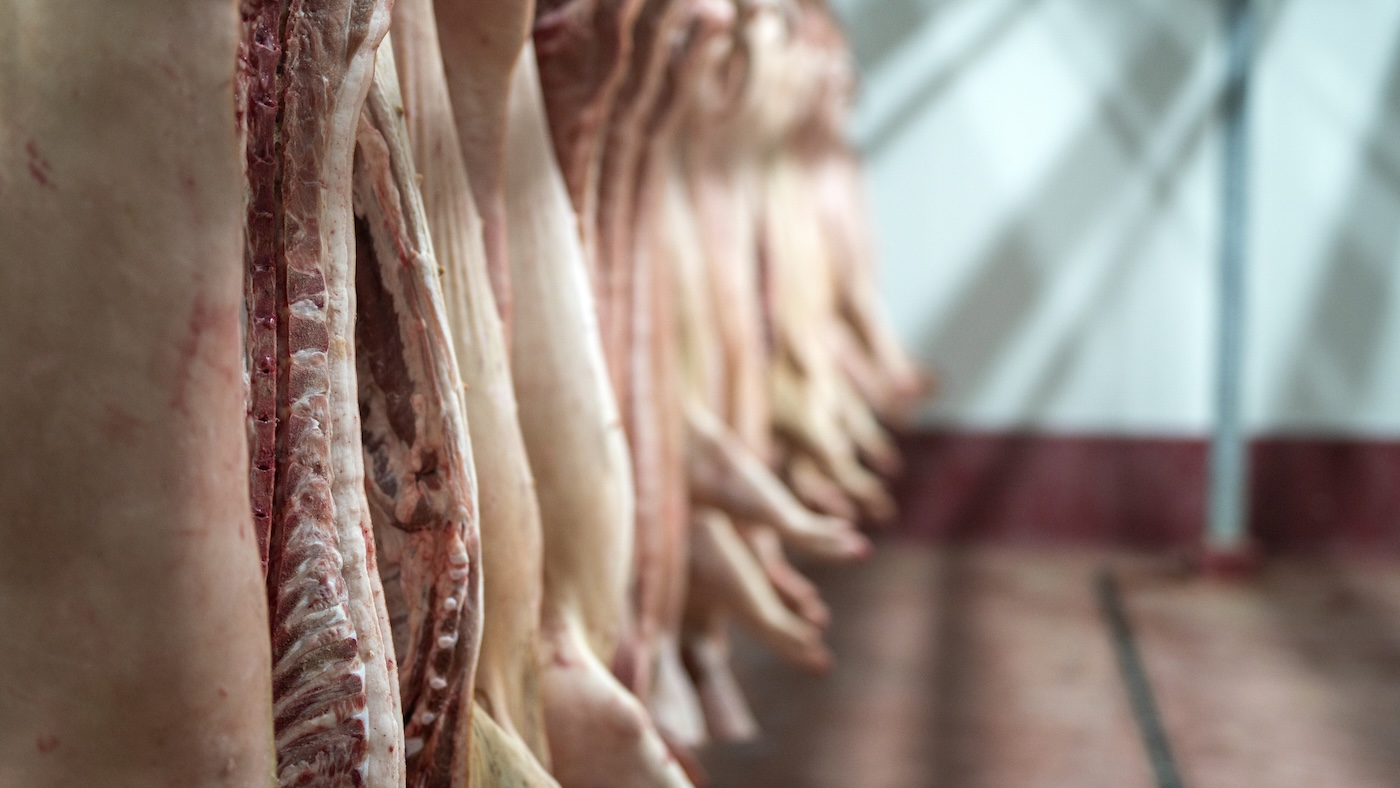
World meat production is forecast to reach 395.0 million tonnes (carcass weight equivalent) in 2026, up 1.8% from 2025. Poultry meat is set to account for most of the growth, supported by strong demand reflecting its affordability relative to other meats, while productivity gains and increased slaughter, partly associated with efforts to better align output with demand through breeding herd reductions, are anticipated to underpin higher pig meat production, with the effects of these adjustments expected to materialize gradually. By contrast, bovine and ovine meat production is forecast to decline, reflecting tight animal availability following earlier herd and flock reductions and the retention of breeding animals for rebuilding in some key producing countries. Rising energy and feed costs, amid geopolitical tensions and logistical disruptions, are exerting pressure on producer profit margins, especially in the feed-intensive pig and poultry sectors, and weighing on production plans, while animal disease outbreaks remain an additional risk across all the meat sectors.
Global meat trade is anticipated to grow by 2.1% in 2026, reaching 44.3 million tonnes. Persistent inflationary pressures on consumer incomes are expected to favour more affordable meats, particularly poultry, which is set to lead the expansion. Pig meat trade is also expected to increase, supported by demand in markets facing disease-related supply constraints and substitution away from higher-priced beef. Bovine meat trade is forecast to grow, as larger shipments from some exporters are expected to more than offset declines from others facing tight exportable supplies. By contrast, ovine meat exports are likely to decline amid limited export availability.
Evolving trade policies are expected to continue reshaping global flows. China’s beef safeguards are constraining shipments from suppliers with exhausted quotas, while the temporary expansion of the United States of America’s tariff-rate quota for lean beef is creating opportunities for exporters, particularly in Brazil. In the European Union, antimicrobial-related restrictions on Brazilian meat could further alter trade patterns, particularly for higher-value products, although a recent audit may facilitate the resumption of poultry meat shipments by year-end. Meanwhile, animal disease outbreaks remain a risk to trade, although regionalization arrangements among trading partners can help mitigate their impact. Shipping disruptions linked to geopolitical tensions pose further risks, raising freight costs and lengthening transit routes.
November 2026/ FAO.
https://openknowledge.fao.org