
Why early gut development matters for broiler performance
Advances in poultry genetics have significantly increased the growth potential of modern broilers. Yet achieving that potential requires more than balanced nutrition and disease management. Emerging research suggests that supporting intestinal development during the earliest stages of life may influence nutrient utilisation, resilience and performance throughout the production cycle.
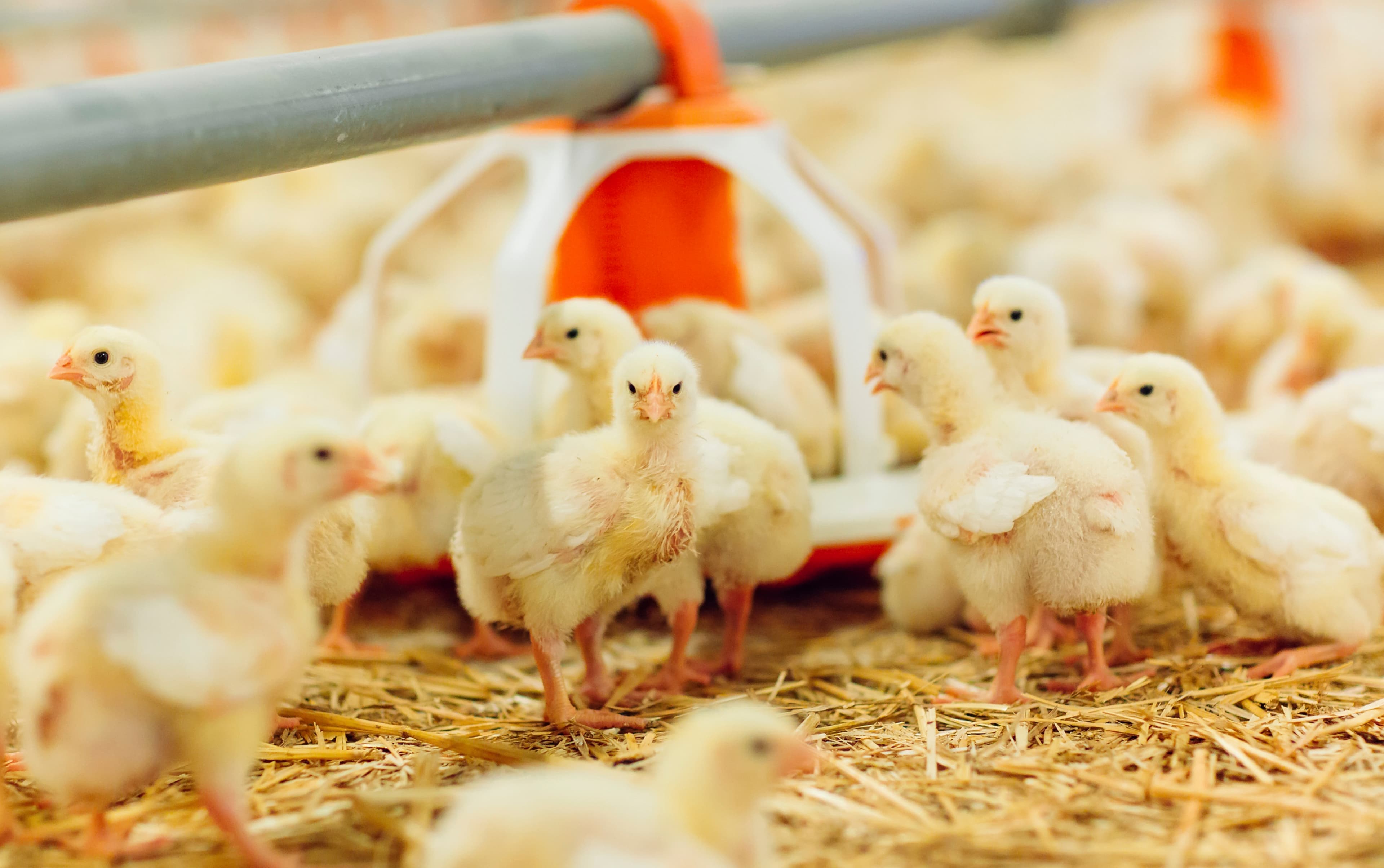
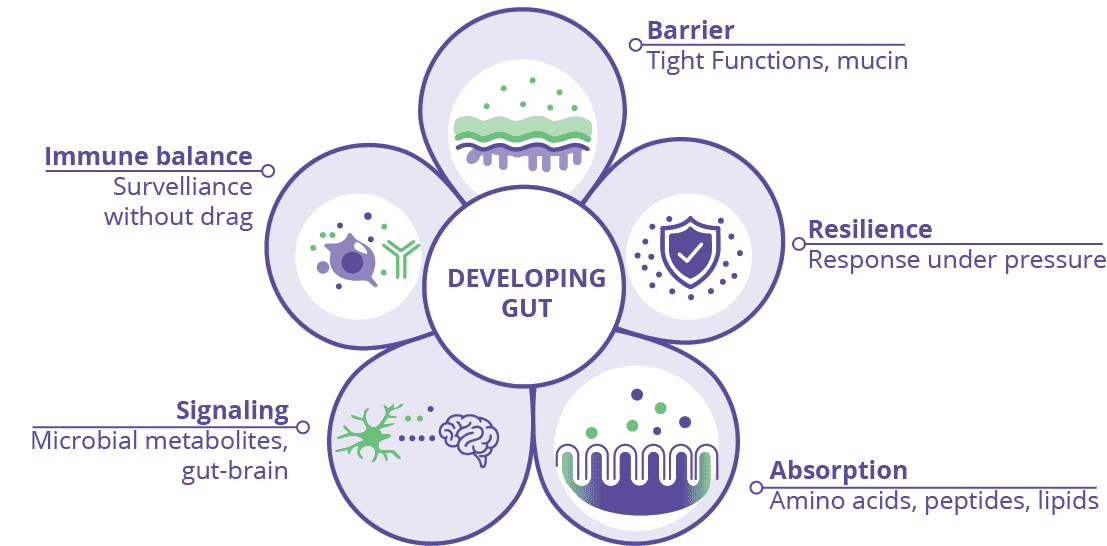
Gut health strategies have traditionally focused on controlling undesirable micro-organisms, maintaining microbial balance and managing intestinal disruption. While important, these approaches address only part of the biological system influencing growth. The intestine also maintains barrier integrity, coordinates immune responses and determines how efficiently nutrients become available for growth (Figure 1). This raises an important question: could supporting early intestinal development improve how birds respond to nutritional and environmental pressures later in life?
Figure 1 - Key functions of the developing gut.
The importance of the first 2 weeks
The first 14 days of a broiler’s life represent a critical period of intestinal development. During this time, intestinal villi expand the surface area available for nutrient absorption, while digestive enzymes and nutrient transport systems mature to meet increasing nutritional demands. Limitations established during early growth may be difficult to fully compensate for later, making this period an opportunity to influence feed conversion and weight gain. This approach, known as early gut priming, focuses on preparing intestinal structure and immune function before significant performance challenges occur.
Understanding the host response
Advances in molecular research are revealing new connections between intestinal development and commercial performance. While microbiome analysis identifies micro-organisms within the digestive tract, microbial composition alone cannot fully explain how birds utilise nutrients or respond to stress.
Transcriptomics offers another perspective by examining gene expression patterns linked to nutrient transport, epithelial development, antioxidant defences, and inflammation. Combining molecular analysis with intestinal histology and production measurements provides a more complete picture of how nutritional strategies influence performance.
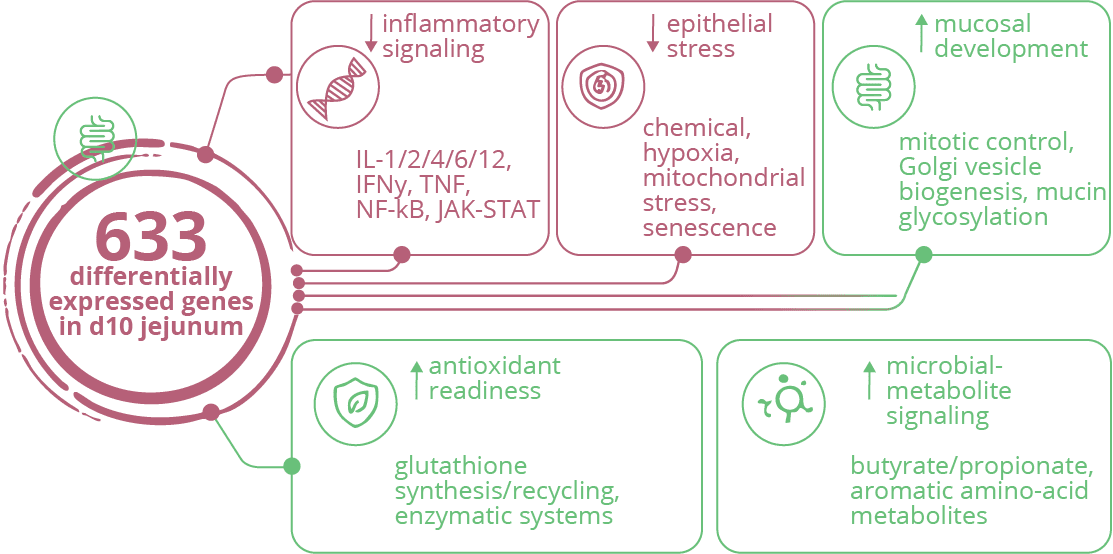
Figure 2 - Jejunal gene expression responses to AvrXPrime at day 10.
Molecular responses and commercial outcomes
Recent research evaluating AvrXPrime, a monoglyceride-based nutritional technology designed to support host-directed intestinal responses, demonstrates this approach. A commercial-scale study conducted in the southeastern United States between December 2025 and January 2026 evaluated 51,200 Ross 308 broilers over 36 days, with equal numbers assigned to control and treatment groups. Researchers examined performance and collected intestinal and liver tissue samples on days 10 and 28.
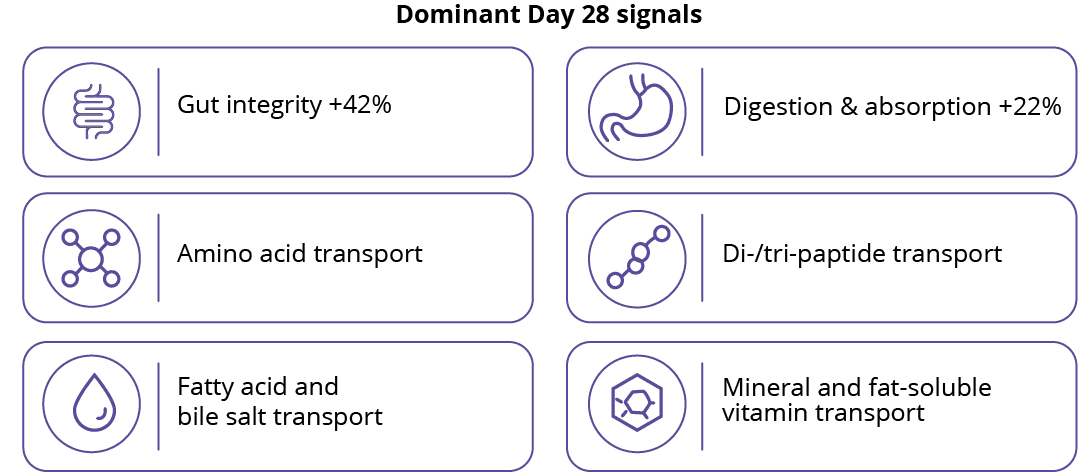
At day 10, transcriptomic analysis identified 633 differentially expressed genes in the jejunum (Figure 2). Findings included reduced inflammatory signalling and epithelial stress responses, along with increased activity associated with mucosal development and antioxidant readiness. By day 28, the response shifted towards pathways supporting intestinal integrity and nutrient absorption, including amino acid, peptide, fatty acid, and bile salt transport (Figure 3). Liver analysis also identified changes in energy metabolism and nutrient utilisation pathways. These findings suggest that early nutritional intervention may help support the progression from intestinal development towards more efficient nutrient utilisation. Notably, the study found no significant overall restructuring of the intestinal microbial community, suggesting meaningful host responses may occur without substantial changes in microbiome composition.
Figure 3 - Molecular signals linked to gut integrity and nutrient absorption at day 28.
Performance under different production conditions
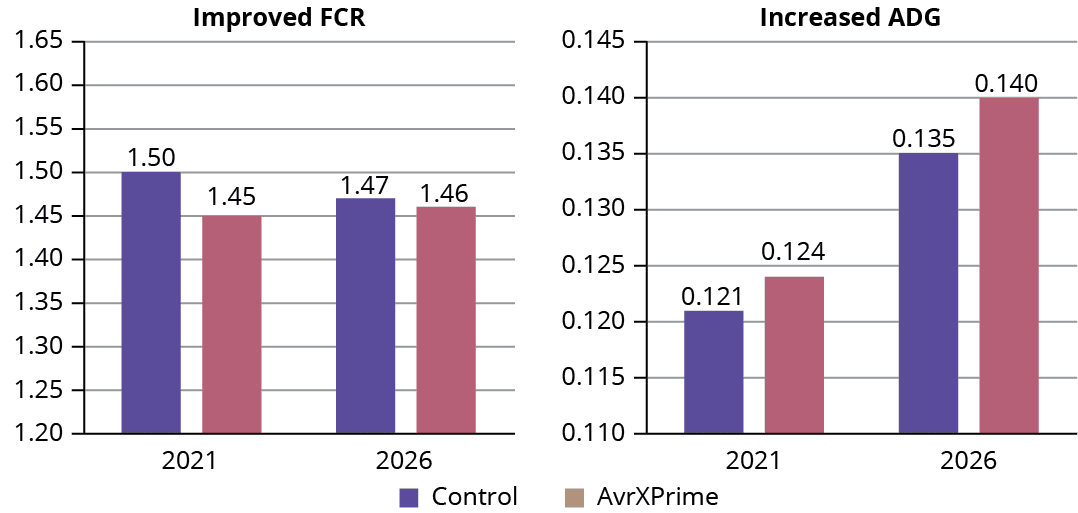
The commercial expression of improved intestinal function depends partly on the challenges birds experience. In low-challenge environments, benefits may appear through improved feed efficiency or growth (Figure 4). Under greater enteric pressure, early intestinal support may influence resilience and the ability to maintain performance. Across 8 independent challenge studies conducted over 4 years, AvrXPrime research reported improvements in gastrointestinal integrity in 6 of 7 studies and reductions in Clostridium perfringens in 7 of 8 studies. Findings also included a 36% reduction in lesion scores and more than a 3% reduction in mortality loss. These results support further investigation into how early nutritional strategies may complement established enteric health programs.
Figure 4 - Effects of AvrXPrime on feed conversion ratio and average daily gain in 2021 and 2026 studies.
What this means for nutrition programmes
Understanding these responses has practical implications for feed formulation. Improved nutrient absorption and energy utilisation require appropriate amino acid availability to support additional growth potential. Sulfur amino acids, including methionine, are particularly relevant given their roles in protein synthesis and antioxidant function. Starter nutrition also becomes increasingly important when targeting intestinal development during its most responsive period. However, gut priming should complement, not replace, sound nutrition, biosecurity and effective production management.
A broader view of gut health
Future gut health strategies must consider not only the micro-organisms present within the intestine, but also the biological responses occurring within the bird. For producers, the opportunity is to view intestinal development as a contributor to lifetime performance rather than addressing gut health only when disruption occurs. As genetic potential advances, supporting nutrient utilisation and intestinal resilience may become increasingly important to efficient broiler production.