
Review: European pig industry must change to survive
Europe’s pig industry needs a fundamental change of direction. That was the message at the first Central European Pig Congress organised by Topigs Norsvin in Kecskemét, Hungary. European pig producers are falling increasingly far behind their global competitors in terms of production costs. To survive, the industry needs a compelling story and healthy, resilient pigs.
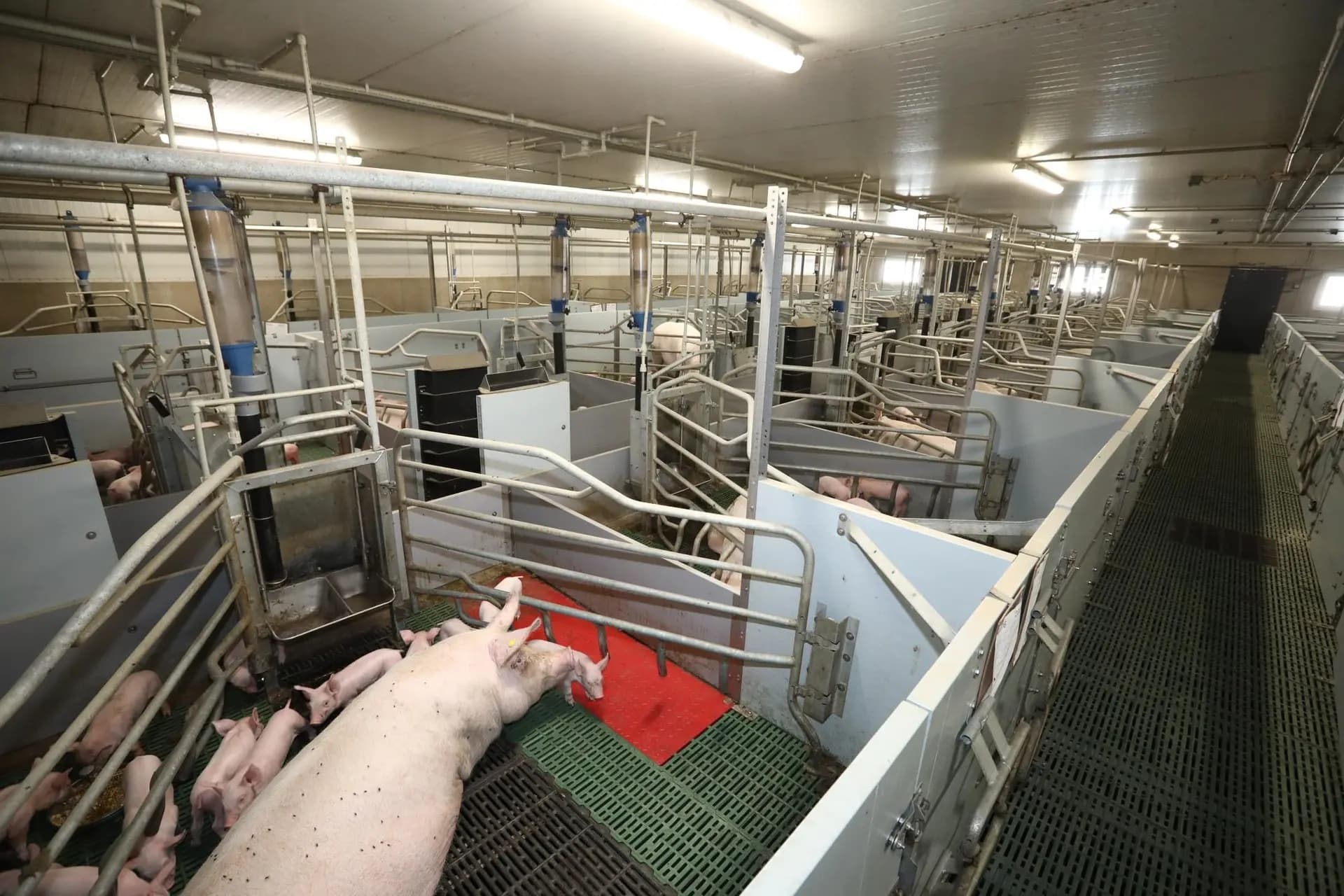
Not more pigs, but better pigs. That was the central message at the first Central European Pig Congress organised by breeding company Topigs Norsvin this autumn. After all, European pig producers cannot compete on production costs. A different approach is therefore needed, focusing on healthy pigs, minimal environmental impact, animal welfare and, above all, making the final product much more recognisable to consumers.
The event took place in Kecskemét, Hungary. One of the keynote speakers was László Búza, a veterinarian who previously worked for Topigs Norsvin and is now Hungary’s State Secretary for Agriculture. Búza has a clear vision and believes Europe should become the global market leader in premium, healthy, locally produced food. “Europe has everything it needs to achieve this: the expertise, genetics and research institutions.”
The State Secretary argues that pig farmers should start presenting themselves as pork producers. “You are not pig producers, but pork producers. Put that on your websites.” He firmly believes that pig health is crucial to fulfilling this role successfully. “Healthy, vigorous pigs that are free from disease are the foundation. Animal health and animal welfare go hand in hand.” To encourage younger consumers to eat pork, the industry needs to demonstrate that it is healthy, produced in an environmentally friendly and animal welfare-conscious way, and trustworthy. The latter is closely linked to origin and traceability.
Consumers are becoming clients. “We need to help them make good decisions,” says Búza. “A large group of older people now has the time to think about healthy eating. What is our message to them?” One thing is certain: the pig industry still has a long way to go in positioning its product more effectively. Hungarian scientist Mihály Soós summed it up aptly during the symposium: “Why is communicating about the most widely consumed type of red meat also the most difficult?”
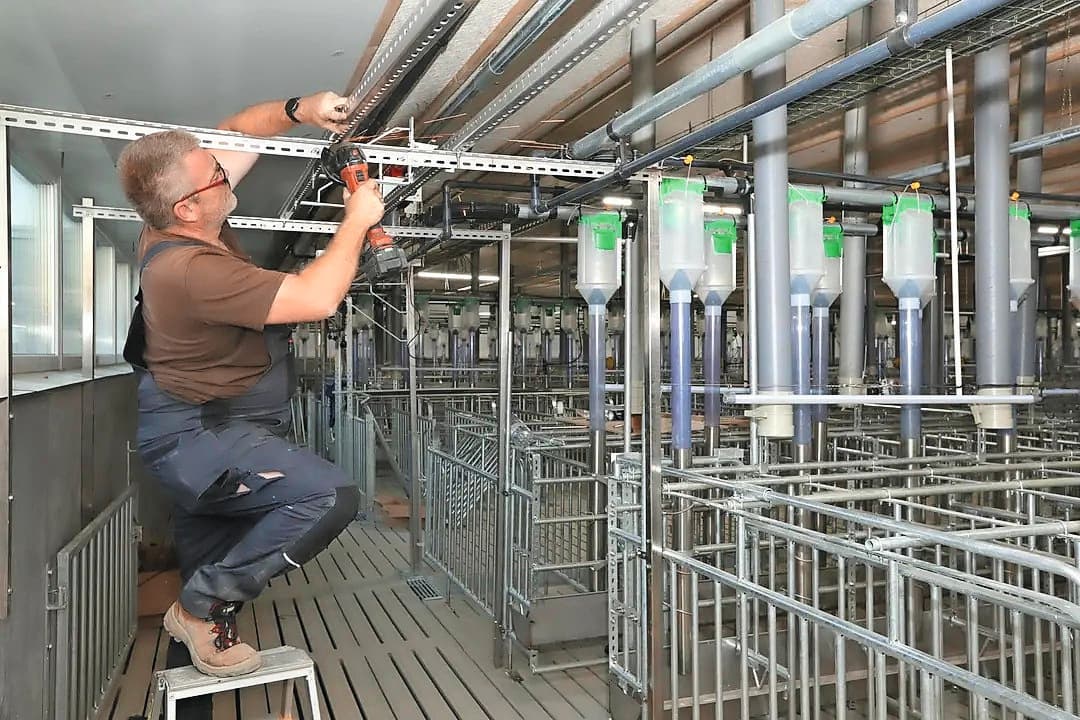
Construction of a new sow unit in Hungary. Sow farming in Central and Eastern Europe remains relatively small-scale compared with countries such as the Netherlands.
Competitive position
The competitive position of Europe’s pig industry is under threat, according to Eva Gocsik, market analyst at Rabobank Research. “Production costs are much higher than elsewhere in the world. The gap with Brazil will widen in the coming years because of the higher standards here.” She identifies several major changes in the global pork market. China will remain an important export destination, but only for by-products. Brazil will increase its meat exports to Asia, putting further pressure on European exports. Meanwhile, the United States also appears set to become a more prominent player in the export market. On top of this, the market is becoming much less predictable and increasingly volatile as a result of wars, trade barriers and blockades.
Europe’s pig industry is already undergoing significant changes. Denmark and the Netherlands are losing their traditional role as Europe's main piglet suppliers. Environmental and societal pressures are prompting policymakers in both countries to push for a reduction in livestock production. This symposium was organised for the pig industry in Central and Eastern Europe, including countries such as Serbia, Croatia, Hungary, Romania and the Czech Republic. These countries still have room for expansion, including from an environmental perspective. Nevertheless, their pig industries remain relatively small. The total sow herd across the entire region is comparable in size to that of the Netherlands. To ensure sufficient numbers of pigs for slaughter in the future, these countries will need to produce more piglets themselves if imports from north-western Europe cease.
Several obstacles must be overcome to achieve this. The biggest is African swine fever (ASF). The virus spreads by approximately 100 kilometres each year. During the event, speakers called for a review of Europe's approach to ASF. The current strategy dates back to a time when many households kept a few pigs for their own consumption. Today, large-scale commercial farms dominate the industry. When ASF breaks out on a hobby farm, large commercial farms within the infected zone are also subject to restrictions. “This creates uncertainty for businesses,” says Búza. “A movement ban is catastrophic for a large farm, particularly if it operates at multiple locations and piglet transport comes to a standstill.”
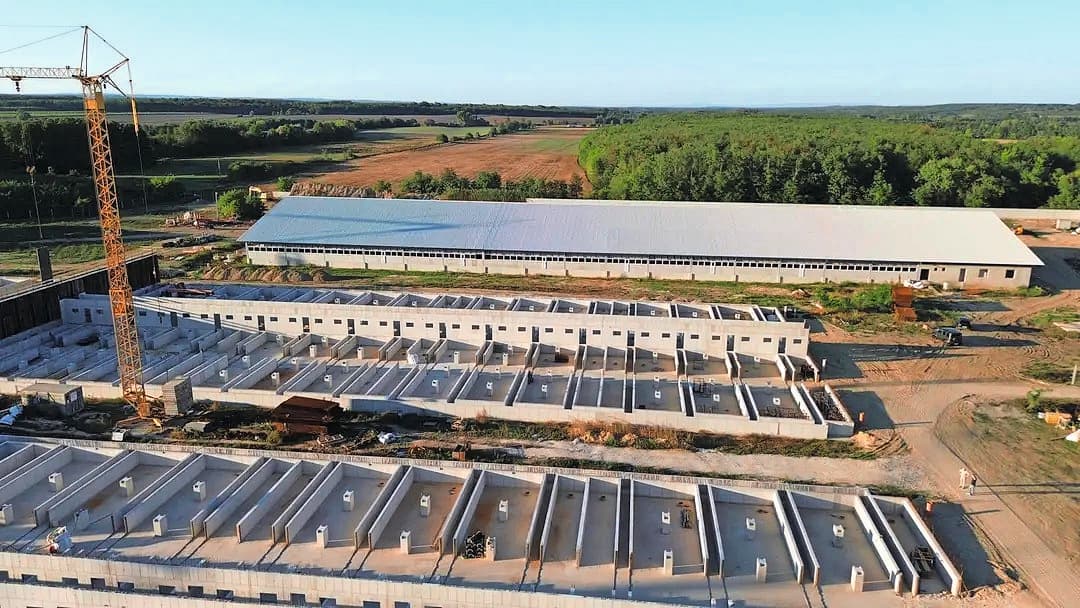
Construction of a new piglet unit and two finishing pig units in Hungary. Countries in this part of Europe will increasingly need to produce their own piglets as imports from Denmark and the Netherlands decline.
The need for change
Europe should aim to develop a resilient, market-oriented, healthy and financially robust pig industry. Despite the many challenges, there is no reason for pessimism. Considerable potential is already within reach, as demonstrated in a presentation by Jonatan Sánchez-Osorio, technical manager at Topigs Norsvin.
Genetic progress is advancing rapidly. He shows that slightly higher growth rates, improved feed conversion or lower mortality can easily generate an additional €10 per pig delivered (see table below). Good management and animal health are essential to achieving rapid progress. Otherwise, the genetic potential will not be realised, he stresses. Pig farming is not easy anywhere in the world. According to Sánchez-Osorio, the challenges are the same everywhere. He lists disease pressure, environmental impact, animal welfare, feed costs, labour and final product quality. Moreover, Europe is no longer the global leader it once was. The 10 leading companies in Brazil wean 37.7 piglets per sow per year. And, Sánchez-Osorio assures his audience, the limit has not yet been reached.
Genetic potential offers substantial financial gains
Estimated improvement in profit margin through genetic progress, in € per finishing pig
| Trait | Change | Effect (€) |
|---|---|---|
| Growth rate | +50 g/day | 4.57 |
| Feed conversion | 10 kg less feed | 3.00 |
| Carcass yield | +1 percentage point | 2.61 |
| Mortality | -1 percentage point | 1.65 |
Source: Topigs Norsvin
The rapid pace of development becomes clear when Lucas Jin of Muyuan Foods takes the floor. China's Muyuan is the world's largest pig producer, slaughtering 28 million pigs annually. That is twice the Netherlands' annual production. The company controls the entire production chain, from feed production to slaughter. Circular production is Muyuan's ultimate objective. According to Jin, environmental performance and the impact on local communities are major priorities for Muyuan. He explains that the company has reduced gas consumption by two-thirds and drinking water consumption by one-third, partly by reusing wastewater and producing biogas.
The company's emissions reduction in 2025 amounted to 6.06 million tonnes of CO₂ equivalent. People living near its farms experience no odour nuisance, while dust emissions have been reduced by 99.9%. “You cannot smell anything 10 metres away from the farm,” says Jin. Pig farming at Muyuan is highly advanced technologically. Jin explains that the company uses so-called smart group housing systems for sows. Cameras monitor the animals' behaviour, while artificial intelligence enables individualised feeding.
Hungarian State Secretary for Agriculture: ‘We can breed pigs to resist pathogens’
Hungary's State Secretary for Agriculture, László Búza, is a familiar figure in the pig industry and is not afraid to express his views. He believes it is possible to breed pigs that are resistant to African swine fever (ASF).
How do you envisage this?
“It is still theoretical. Nevertheless, research is being conducted in this area. When a pathogen attaches itself to a receptor, it causes illness. Covid is a good example. Some people became seriously ill, while others were barely affected. For PRRS, Wageningen University & Research has identified which part of the genome plays a role as a receptor for PRRS. You can then select for that trait. This is not genetic modification. Put a group of experts to work on this. The technology is available. This is a natural way to make pigs resistant to ASF and PRRS. Vaccination against ASF is a dead end in Europe. If a vaccine is only intended for wild boar, pharmaceutical companies will not invest in it.”
Are you convinced this is the right approach?
“We can breed pigs to resist pathogens. I have read extensively about this. It is the best approach, and the problem could be solved within a few years.”
Why is so little being done in this area?
“It is an arena with many players. Some stakeholders want to sell medicines, others feed additives, and others something else entirely. They have no interest in pigs that are resistant to certain diseases. The younger generation of veterinarians is focusing on prevention. Take diarrhoea in piglets, for example. We should identify the litters affected and use that information in breeding selection. We have enough potential and expertise. It is time to act. Otherwise, we will lose the business.”
You also advocate that pig producers should focus more on society and refer to themselves as pork producers rather than pig producers. Is that awareness currently lacking?
“They focus on the next link in the supply chain: traders and slaughterhouses. They need to supply the right product. But ultimately, you are producing for the consumer. Consumers have no idea where their meat comes from. The consumer must become the driving force behind a transition towards a healthier, greener Europe.”
Pig farmers are often reluctant to tell their story, aren't they?
“In Hungary, the ministry is taking the lead. We are launching an eight-year campaign. We will encourage people to taste, try, smell, feel and see where their food comes from. My message is this: food comes from people and goes to people. The younger generation is driven by emotions. When they know the person behind a product, they respond very positively. Trust in food does not come from quality assurance systems alone, but from the person behind the product. Take the Iowa pork farmers, for example. Their message is ‘We Care’. Europe has no message!”
Is this a responsibility for the government?
“In Eastern Europe, farmers are not yet accustomed to doing this. We are helping them get started. After that, they will take over themselves. Our message should be: feeding a healthier Europe. There are many crises. The best food is locally produced, with less waste and greater dedication.”
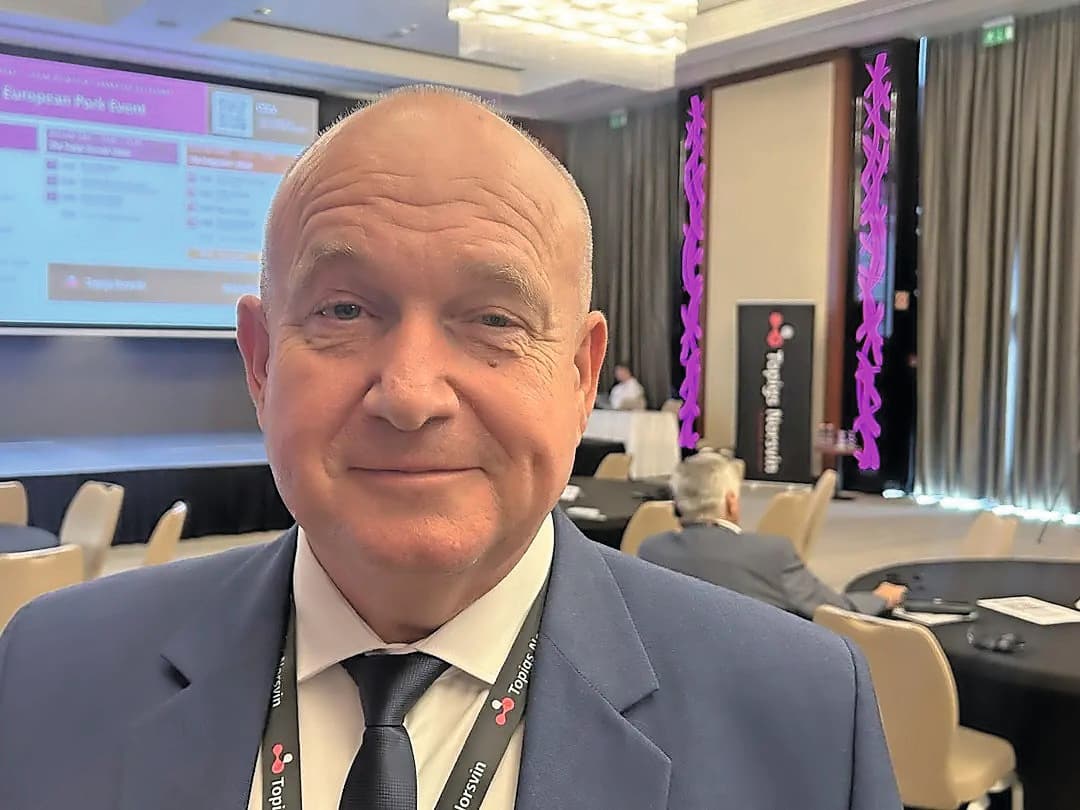
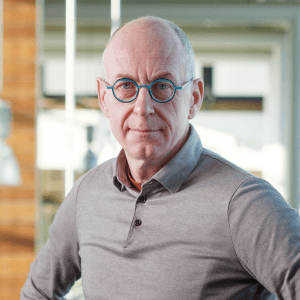
László Búza is State Secretary at Hungary's Ministry of Agriculture and Food Economy, with responsibilities including food trade and food promotion. Photo: Kees van Dooren