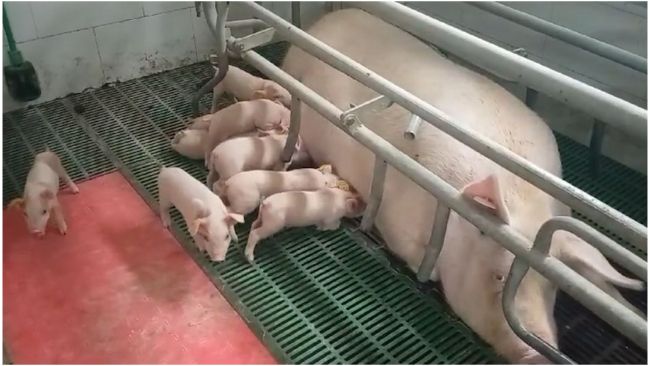
The Polish pig sector has presented “Strategy for the Polish Pig Sector 2026-2035”, whose main objective is to revive domestic piglet production, reduce dependence on imports, and improve the competitiveness of the entire pig supply chain. Its implementation would require an estimated additional investment of 30,5 billion zlotys.
Currently, approximately 40% of the animals used in the Polish pig supply chain are imported, mainly from Denmark. According to the strategy’s authors, this dependence represents an estimated economic loss of 2,4 billion zlotys per year.
One of the main objectives is to increase the number of breeding sows from approximately 600.000 to 800.000 head by 2035, as well as increasing the share of piglets produced domestically and intended to meet the sector’s needs from 60% to 100%.
To achieve these objectives, the strategy proposes introducing specific legislative measures to encourage the recovery of piglet production, simplify administrative procedures for new investments, facilitate access to financing and modernize livestock facilities.
The document also includes measures to improve control of African swine fever (ASF) by strengthening biosecurity, regionalizing and compartmentalizing production, and implementing more effective management of wild boar populations. Among the objectives set for 2035 is achieving ASF-free country status.
The strategy also addresses the restructuring of pig farms, the development of the processing industry, the domestic market and exports. Of the 30,5 billion zlotys in additional investments planned, approximately 9,6 billion would come from the sector’s own resources. The document was drafted at the initiative of the organizations that make up the Polish Pork Forum, including POLPIG, POLSUS, UPEMI and the POLSKIE MIĘSO association.
Friday 13 November 2026 / POLPIG / Poland.
https://polpig.pl