
All of the approximately 20 ten thousand chickens raised at the poultry farm will be culled.
On 11, government departments in Kyoto Prefecture, Japan, reported a suspected highly pathogenic avian influenza outbreak at a local poultry farm, with a rapid test returning a positive result. If the genetic test also confirms a positive result, this will be Japan’s first outbreak of the current avian influenza season. There are concerns that the outbreak could further drive up egg prices in Japan.
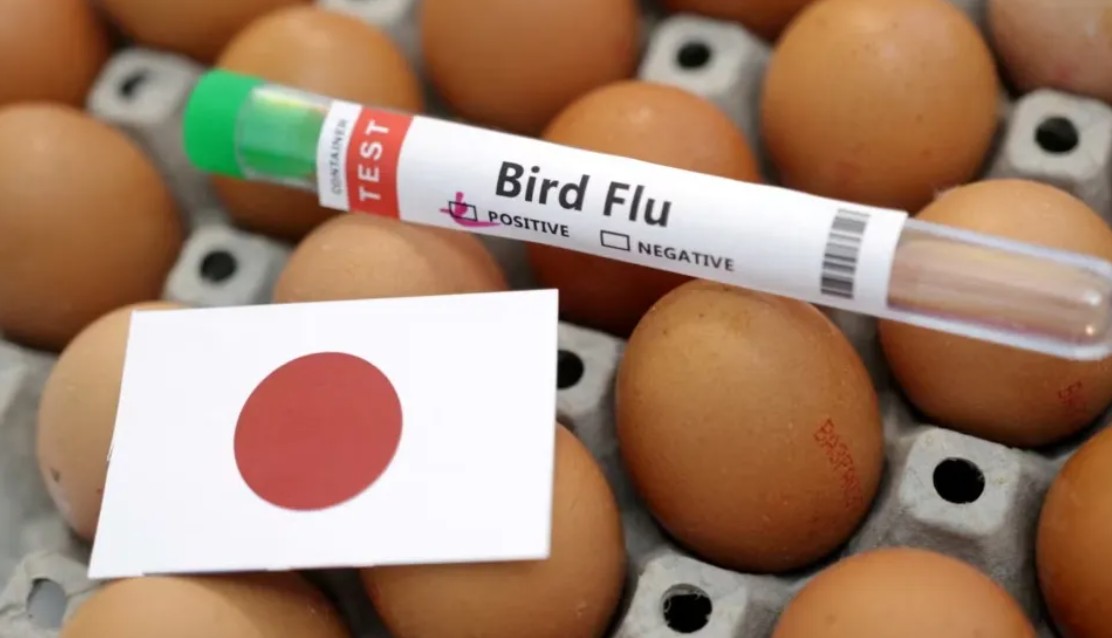
According to Japanese media reports, a poultry farm in Kameoka City, Kyoto Prefecture, reported an increase in the number of dead chickens on the morning of 11. The health department conducted rapid tests for avian influenza virus on 10 chickens, including dead birds, and all tested positive. The genetic test results are expected on 12.If an avian influenza outbreak is confirmed, all approximately 20 ten thousand chickens raised at the farm will be culled.
The poultry farm has been temporarily closed, and farms within a 10-kilometer radius have been instructed not to transport poultry or eggs outside the area.
Factors including higher feed prices triggered by the yen’s depreciation have caused egg prices in Japan to continue rising recently. The results of a nationwide survey conducted by Japan’s Ministry of Agriculture, Forestry and Fisheries from 10 month 19 to 21 show that the average price of a pack of 10 eggs was 312 yen (approximately 13.1 yuan), the highest since the survey began in 2003.If avian influenza breaks out, egg production will suffer a further blow, and prices may continue to rise.
From 2022 year 10 month to 2023 year 4 month, Japan culled more than 1700 ten thousand birds due to avian influenza, setting a record for the number of birds culled in a single avian influenza season in the country. As a result, Japan faced a shortage of eggs and soaring prices, with an “egg shortage” at one point.