
The use of natural pigments in organic egg layer diets
Yolk colour is one of the most prominent visual quality indicators for consumers purchasing organic eggs. Achieving a vibrant, consistent target shade – typically between 10 and 11 on the DSM (formerly Roche) Yolk Colour Fan – is essential for customer satisfaction and brand reputation. However, with the regulatory shift to 100% organic feed formulations, poultry nutritionists face unique formulation challenges.

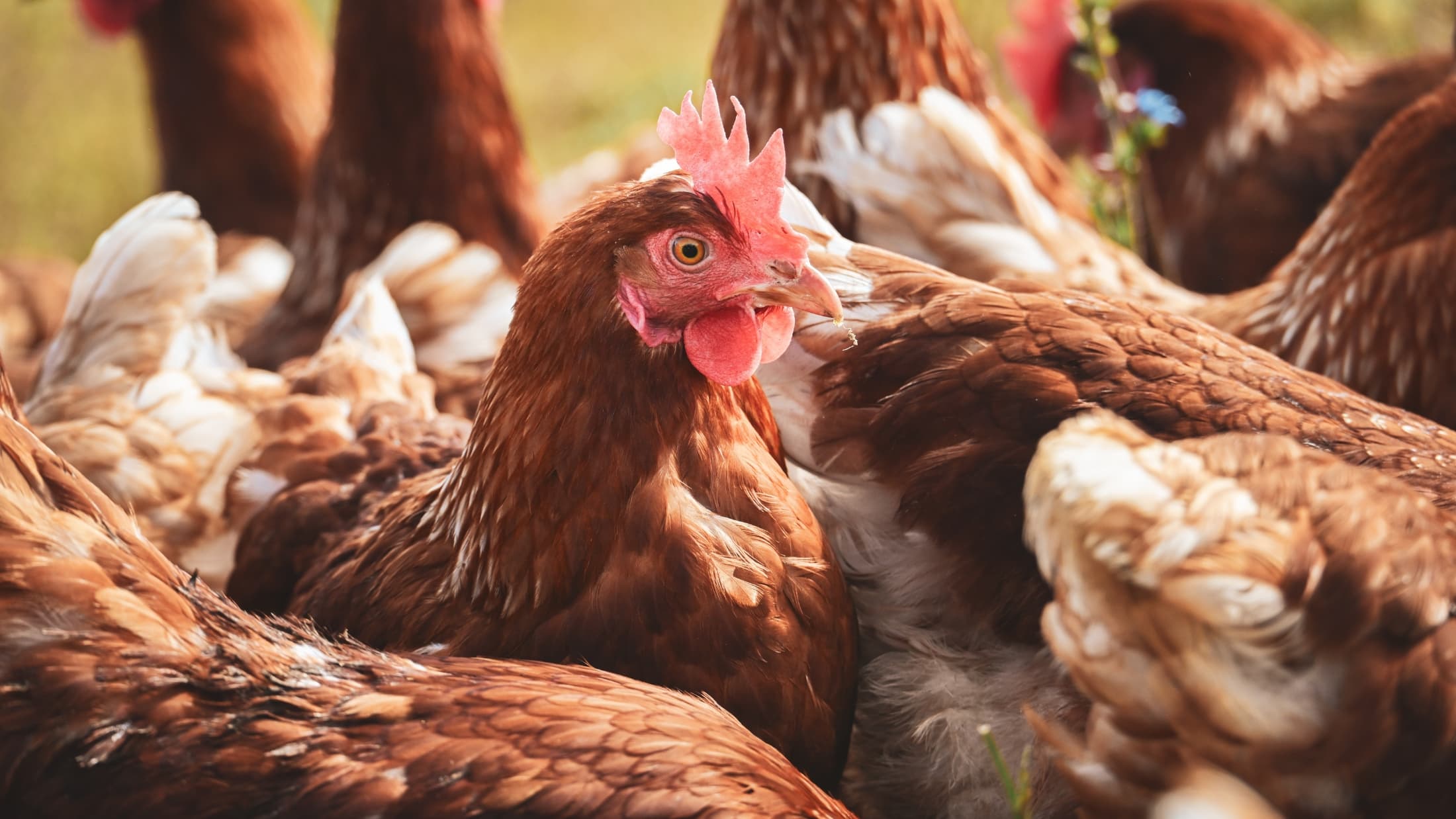
Under previous 95% organic standards, feed formulators could utilise concentrated xanthophyll raw materials, such as corn gluten meal (prairie meal), to supply high baseline levels of natural yellow pigments. In 100% organic layer diets, these non-organic protein concentrates are prohibited, forcing nutritionists to rely on organic raw materials and certified natural pigment additives to satisfy yolk pigmentation standards.
Establishing the yellow base with organic raw materials
In 100% organic formulations, the foundational yellow colour must be provided by approved organic ingredients.
- Organic maize (corn) serves as the primary energy source and contributor of yellow xanthophylls (lutein and zeaxanthin). Inclusion levels typically range from 15-35% depending on ration stage and desired baseline.
- Organic lucerne (alfalfa) provides additional natural lutein and fibre, with inclusion rates typically between 2.3% and 3.5%.
While maize and lucerne provide a solid yellow base, relying solely on raw materials is rarely sufficient to achieve a deep golden-orange yolk score of 10 or higher. A complementary red natural pigment source is necessary to reach target market requirements.
The role of natural paprika extract (red carotenoids)
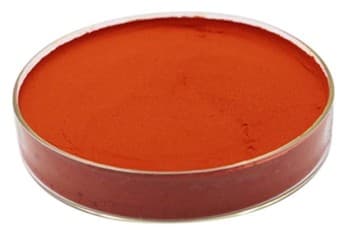
Rich in red carotenoids – principally capsanthin and capsorubin, along with secondary lutein – paprika extract effectively deepens yolk colour. Photo: Techna
To achieve the desired red-yellow colour equilibrium, natural paprika extracts such as Techna PX390 (UK, OF&G, EC regulation 834/2007 approved for use in organic systems) are included in organic layer rations. Rich in red carotenoids – principally capsanthin and capsorubin, along with secondary lutein – paprika extract effectively deepens yolk colour.
When combined with an adequate yellow baseline from organic maize and lucerne, an inclusion rate of 0.25% to 0.4% (2.5 to 4.0 kg/tonne) of natural paprika extract is typically sufficient to achieve a DSM score of 10–12 under normal feeding conditions (130 g daily feed intake). For a target DSM score of 11, the inclusion rate can be adjusted to 0.35% (3.5 kg/tonne), alongside elevated levels of organic maize (25–35%) and lucerne (3.5%).
Key factors influencing pigmentation performance
1. Daily feed intake and seasonal variations
Pigmentation is a function of daily nutrient intake. Factors such as heat stress or seasonal shifts can reduce daily feed intake from 130g/bird/day down to 120g/bird/day or lower. Because fewer total milligrams of xanthophylls are ingested daily, pigment inclusion levels in the feed must be adjusted upward to maintain yolk colour consistency.
2. Raw material xanthophyll variability
Natural raw materials inherently fluctuate in xanthophyll concentration between crop harvests and storage durations. To guard against under-pigmentation, formulators often adopt a "secure" formulation approach – increasing organic maize inclusion up to 35% to guarantee a robust yellow base regardless of crop variability.
3. Pigment absorption and intestinal health
Carotenoids are fat-soluble compounds whose absorption depends on efficient fat digestion and healthy intestinal mucosa. Any disruption to gut health or digestive function can impair pigment assimilation, leading to paler yolks even when dietary pigment levels are technically adequate.
Conclusion and recommendations
Optimising yolk colour in 100% organic egg production requires a dual approach: building a resilient yellow pigment base through organic maize and lucerne and complementing it with precision inclusion of natural paprika extracts. By monitoring actual daily feed intake and accounting for raw material variations, nutritionists can consistently deliver the high-quality yolk colour expected by organic consumers.