
4 research lessons for sow longevity and pig resilience
Lameness and longevity in sows are themes that are strongly in the spotlight. What can be done to support sows better for their jobs? Swine health and nutrition expert Dr Casey Bradley has a number of ideas.

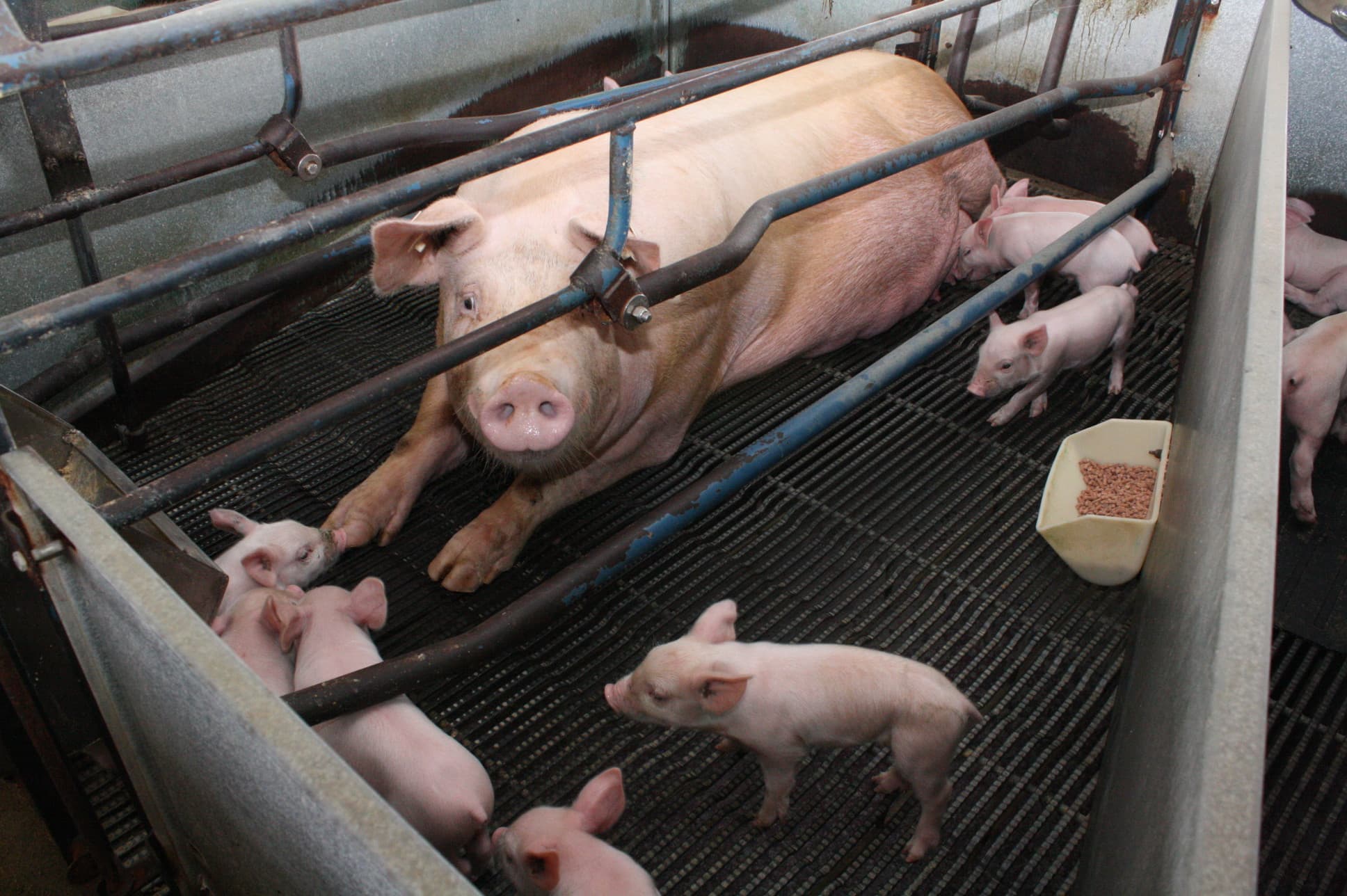
This spring and summer, I conducted research trials at my commercial swine partner’s facilities. As always, the results left me with more questions than answers. That is my favourite part of research, and the part that breaks my heart. There is never enough funding to pursue every question that might lead to a solution.
About 25 years ago, after managing a commercial farm, I returned to graduate school determined to address the sow lameness and mortality I faced daily. I have found answers, but I am still searching for a sustainable solution. We have spent decades measuring success by producing more. I believe we need to ask whether our animals are prepared to sustain that progress.
Interested in learning more about sow management? Join the Pig Progress seminar at EuroTier, on Thursday, 10 am
The pig liveability research reinforced my commitment to improving survival across production stages. It also left me wanting clearer solutions we can consistently apply on farms. Perhaps my German genetics explain my stubbornness, but I am not giving up. Without sharing results ahead of Midwest ASAS in March 2027, here are four lessons I am taking forward.
1. Longevity begins with gilt development
We cannot wait until first parity to address sow longevity. While developing a new lactation model, I became convinced that mammary development deserves more attention in gilts and young sows.
We focus on breeding age, body weight, condition, and total born, but are we preparing females to nurse the litters we ask them to produce? A smaller female does not necessarily need less farrowing space when her litter still needs room.
2. The sow farm shapes performance after weaning
Weaning weight and piglet health still matter. More pigs weaned do not automatically translate into more pigs marketed if those pigs leave the sow farm lighter or nutritionally compromised.
Throughout my career, I have seen research demonstrating benefits of sow nutritional strategies that carry into the postweaning period. Yet too often we end our trials at weaning. We need to follow those pigs further to understand the full value, or limitations of an intervention.
3. Outliers deserve investigation
An unusual result can be inconvenient, particularly when it complicates statistical significance. But a valid observation should not disappear simply because it does not fit our expectations.
We must distinguish recording errors from biological variation and use defensible criteria for exclusions. Sometimes the animals outside the average offer our best opportunity to ask why one pig thrives while another struggles.
What role does robustness play in pig genetics? This webinar provides answers
4. Formulate for resilience
We devote considerable effort to standardised ileal digestible lysine requirements and amino acid ratios. We should also ask how well a programme supports pigs when conditions vary. I believe nutritionists need to pay more attention to resilience, alongside genetic selection.
Working across species has reinforced this lesson, especially when a farm can accommodate only 1 or 2 feeding phases instead of 5. Precision matters, but so does a programme’s ability to work within practical constraints.
Reflections on nutritional programmes
As you reflect on this year, consider what you have learned and how it should change your nutritional programmes. Producing more should prompt us to ask what animals need to sustain that performance. I am still searching for solutions, and I hope you are too.