
I. Common Heavy Metals in Feed and Their Hazards
Heavy metals generally refer to metals with a density greater than 4.5 grams per cubic centimeter. Common harmful heavy metals in feed include lead (Pb), cadmium (Cd), chromium (Cr), mercury (Hg), and arsenic (As). Once their content in feed exceeds the limits, they not only directly affect animal production and development, but can also impair animals’ immune function, reduce production performance, and even threaten human health.
The hazards of common heavy metals in feed are as follows:
Lead (Pb): Excessive intake can affect skeletal growth and nervous system development in chickens, causing symptoms of poisoning.
Cadmium (Cd): Excessive intake can cause symptoms such as reduced appetite and impaired growth and development in chickens.
Mercury (Hg): Affects the nervous, digestive, and immune systems of chickens, as well as their growth, development, and reproductive capacity.
Chromium (Cr): Causes problems such as stunted growth in chickens, reduced egg production, poorer eggshell quality, and weakened immunity.
Arsenic (As): Excessive addition causes the tissues and organs of chickens to collapse, while also inhibiting the activity of various tissue enzymes.
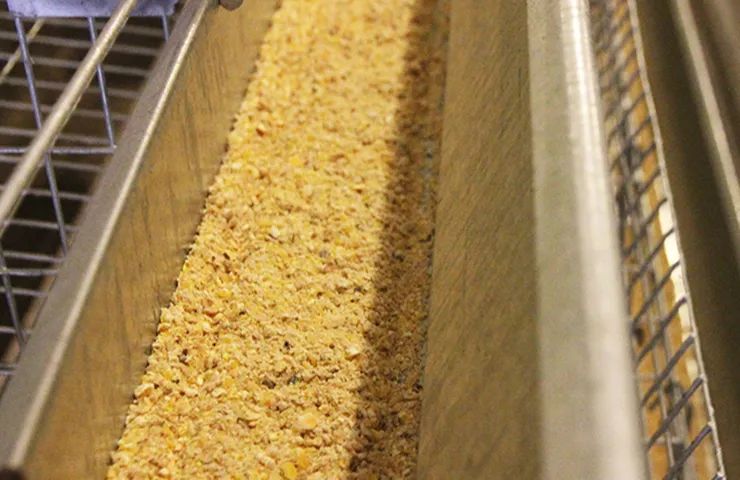
II. Sources of Heavy Metals in Feed and Limit Standards
1, Sources of Heavy Metals in Feed
(1) Feed Raw Material Contamination
Heavy metals in raw materials may exceed limits due to contamination of areas where plant-based raw materials are grown by irrigation with industrial wastewater and pesticide residues, as well as inadequate pollution prevention and control measures during the mining and smelting of mineral raw materials.
(2) Contamination During Production
Improper use of certain additives, metal residues accumulated through long-term wear of production equipment, and residues generated by the use of metal production tools, among other sources.
(3) Contamination during transportation and storage
Transportation vehicles do not meet hygiene standards; industrial contaminants in the vehicle compartment are not promptly removed; and reactions with other pollutants during storage generate new contaminants.
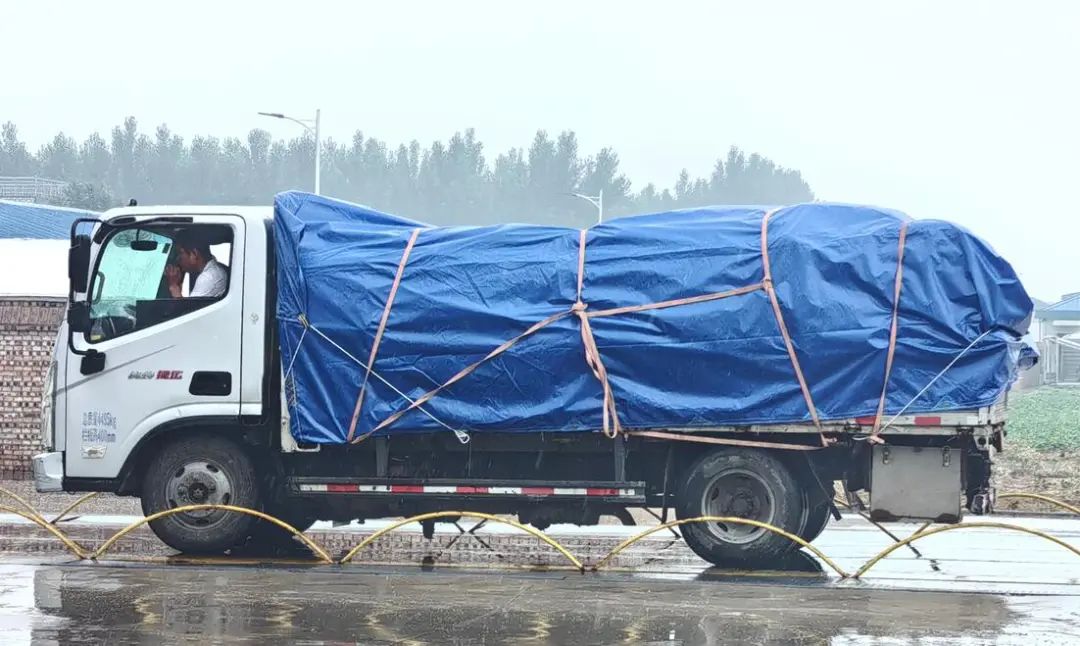
Protect feed during transportation to avoid contamination
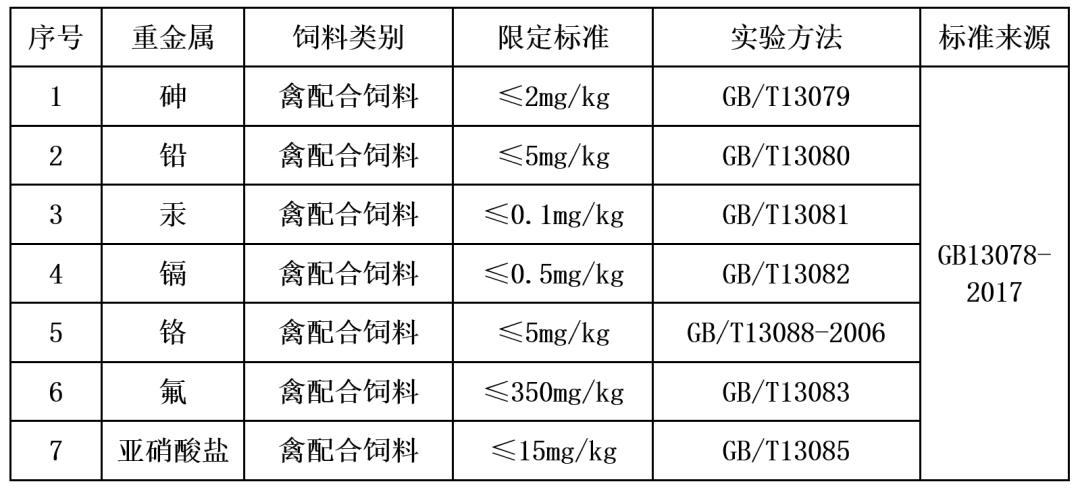
2, limits for common heavy metals in poultry feed
III. Feed Heavy Metal Control Measures
Based on the sources of heavy metals in feed, control measures should focus on three areas: raw material control, production process control, and transportation and storage process control.
1, Raw Material Control
(1) Select high-quality suppliers
When selecting suppliers, choose those with complete qualifications and a good reputation. Require suppliers to ensure that the heavy metal indicators for the raw materials they provide meet national standards and to provide test reports. For raw materials without test reports, conduct in-house testing or commission a third-party organization to perform random testing.
(2) Test heavy metal indicators
In accordance with the requirements of the Specification, test the hygiene indicators of at least 5 types of raw materials each quarter. When selecting raw materials, select at least one mineral raw material for testing of its heavy metal indicators, and evaluate raw material safety based on the test results.
(3) Ensure proper raw material storage conditions
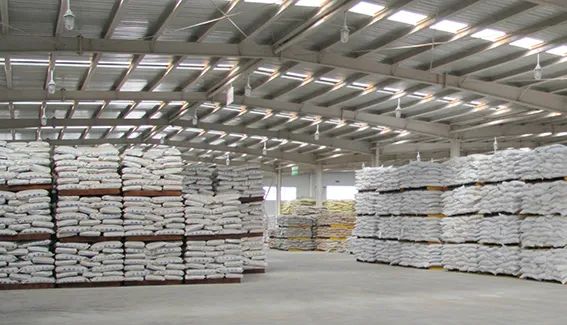
During raw material storage, ensure that the storage environment is dry, clean, well-ventilated, and free from contamination. Periodically conduct random testing of heavy metal indicators for raw materials held in long-term storage to prevent contamination during storage.
2, Production process control
(1) Standardize the use of additives during feed production
Use feed additives strictly in accordance with the feed additive catalogue to avoid feed contamination caused by the unauthorized use of additives not listed in the catalogue or by excessive use.
(2) Strengthen the cleaning of production equipment
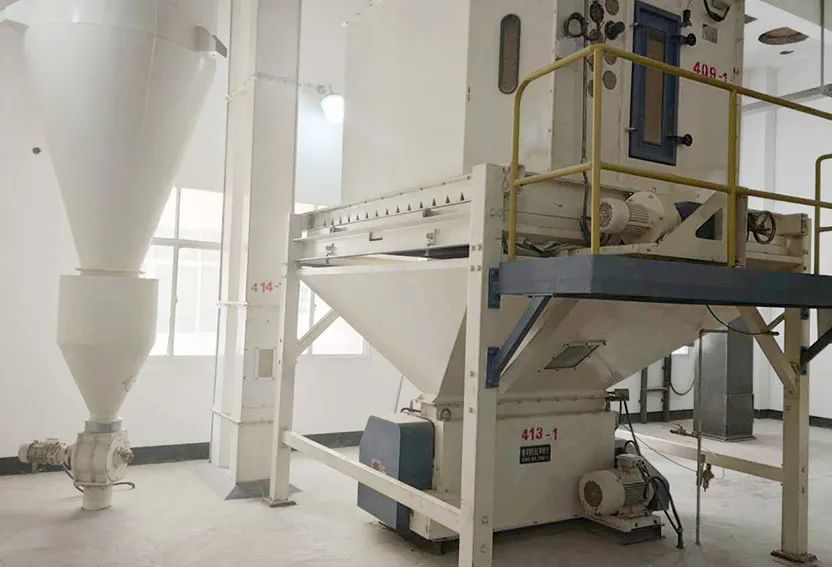
Keep production equipment in good condition and properly sealed. To prevent the buildup of heavy metal residues in production equipment, clean the equipment routinely according to actual production conditions and maintain cleaning records.
(3) Select suitable production tools
Where possible, choose stainless steel weighing tools to prevent rust from contaminating the feed. Use a separate tool for each material to avoid cross-contamination from using the same weighing tools for different materials. Where possible, choose non-metallic cleaning tools to prevent contamination from residues.
(4) Test products for heavy metal levels
Regularly sample and test the heavy metal levels in products to ensure the safety of feed and aquaculture products.
3, Transportation and storage controls
(1) Control the storage environment
Product storage areas must be kept dry, clean, well-ventilated, and free from contamination.
(2) Ensure sanitary transport conditions
Before transporting products, inspect the transport vehicle for sanitation. Products may be loaded and transported only after confirming that the vehicle is free from odors and contamination. If the vehicle is found to be contaminated, replace it to prevent product contamination. The vehicle must also be equipped with rain and sun protection during transport.