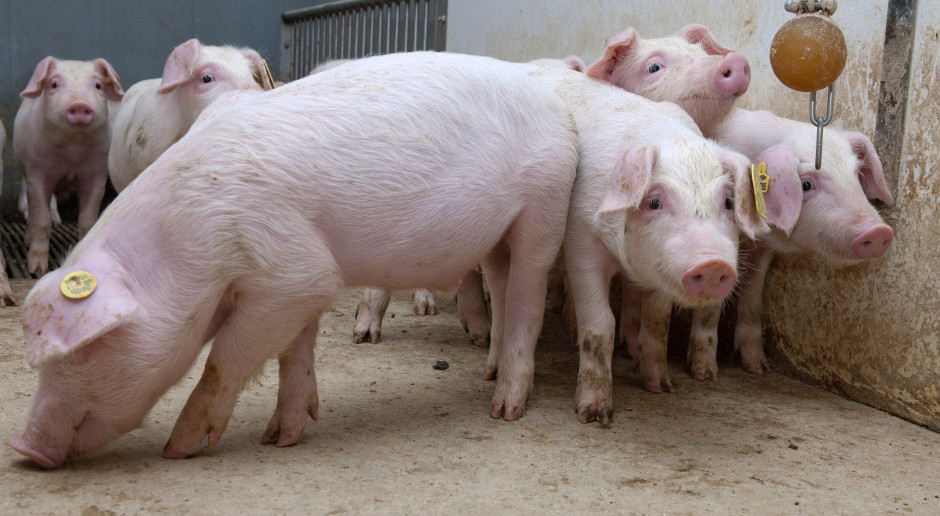
The II Pig Production Congress provided an opportunity to take a closer look at the condition of Denmark’s pig sector. We had the opportunity to attend on 8 October. One of the event’s key highlights was a presentation by Jeppe Bloch Nielsen, a Danish pig farmer who runs a farm with his brother, keeping around 2200 sows. A significant share of production is exported, including around 60 thousand piglets annually to the Polish market.
Economics: the greatest threat
As the speaker emphasized, Danish pig farming has undergone a significant transformation in recent decades, particularly in terms of sow housing conditions and improvements in animal welfare. Despite this progress, the industry has been unable to effectively communicate the scale of the changes introduced to the public.
– We are not good at explaining what modern pig farming looks like, what standards we apply, and what steps we take to improve production performance and animal welfare – noted Jeppe Bloch Nielsen.
In his view, the lack of reliable communication means that public debate often focuses on individual cases of irregularities instead of taking a broader view of production.
Although Danish pig farmers are facing growing regulatory and social pressure, the economic situation remains the biggest problem at present. According to Nielsen, purchase prices are very low, while production costs have reached record levels. As a result, some farms are making losses, which may lead to reduced production and farm closures.