
Recently, frequent floods in many regions have caused power outages and oppressive heat. For many farmers, this affects not only daily life but also poses serious challenges to chicken farms.
Adverse Effects of Extreme Rainy Weather on Chicken Farms
Power Outages
Power outages prevent chicken farms from operating normally, affecting the growth and egg production of chickens.
Drinking Water Contamination
When wells are contaminated by wastewater, the drinking water system is unclean, which can easily cause disease in flocks.
Increased humidity
Higher humidity raises the perceived temperature for the flock, affecting the chickens’ comfort.
Feed losses
High temperatures and humidity accelerate the loss of vitamins in feed, affecting the chickens’ nutrient intake.
Chicken farm after heavy rain
Emergency response and preventive measures
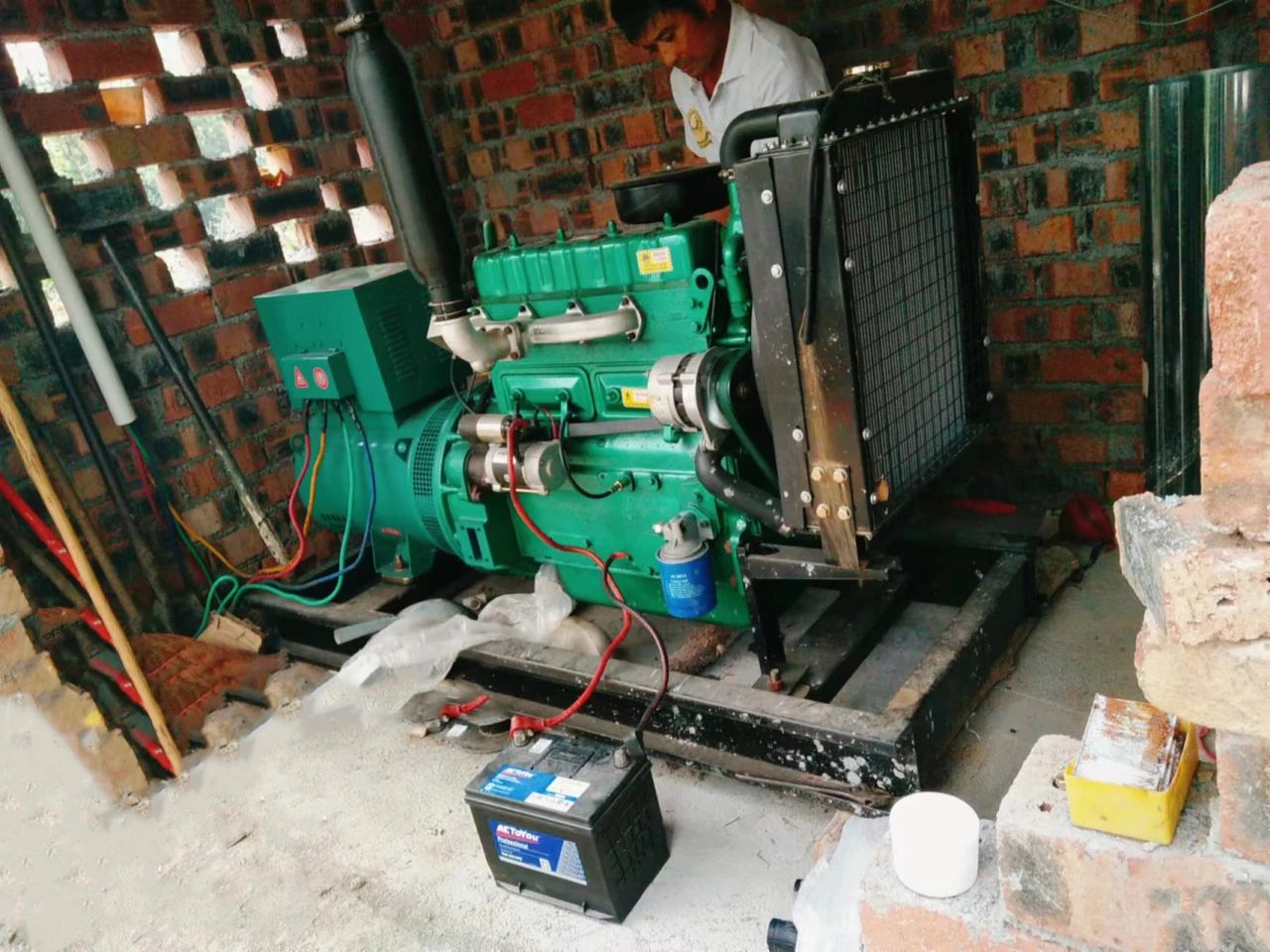
Power supply保障
Closely monitor the power supply, inspect transmission lines, prepare for power outages, and ensure the chicken farm has power at all times.
Drinking water hygiene
Check whether wastewater has entered the well. Clean and disinfect the well and drinking water system to prevent bacterial infections in the flock.
Ventilation and cooling
Adjust the ventilation and cooling equipment, and adjust the temperature based on the flock’s behavior to ensure the birds are comfortable.
Supplement vitamins
Supplement the birds with high-quality vitamins to combat heat stress and improve the flock’s resistance.
Avoid stressful procedures
When the weather is hot and humid after heavy rain, avoid stressful procedures such as vaccination, flock transfers, and transportation.
Disease prevention and control
Pay attention to preventing and controlling common diseases such as leucocytozoonosis (white comb disease) to reduce deaths and culling.
Cooling pad cleaning
Before using cooling pads in the Central Plains and northern regions, remove debris and scale and disinfect them to improve ventilation.
Monitor laying hens
For poultry farms with poor poultry-house conditions, weak flocks, or hens in the egg-laying ramp-up period, watch for issues such as a slow ramp-up in egg production, new hen disease, and egg production fatigue syndrome, and take timely measures.
Friendly reminder
A special reminder to poultry farms: keep a close eye on weather forecasts. Be fully prepared for hot, humid weather and take appropriate measures to minimize losses!