Farmers have faced a particularly difficult summer: heat and drought have reduced pasture productivity and driven up feed costs.
Farmers have also had to bear higher expenses for mitigation measures, such as cooling systems and water resource management, resulting in an overall increase in production costs.
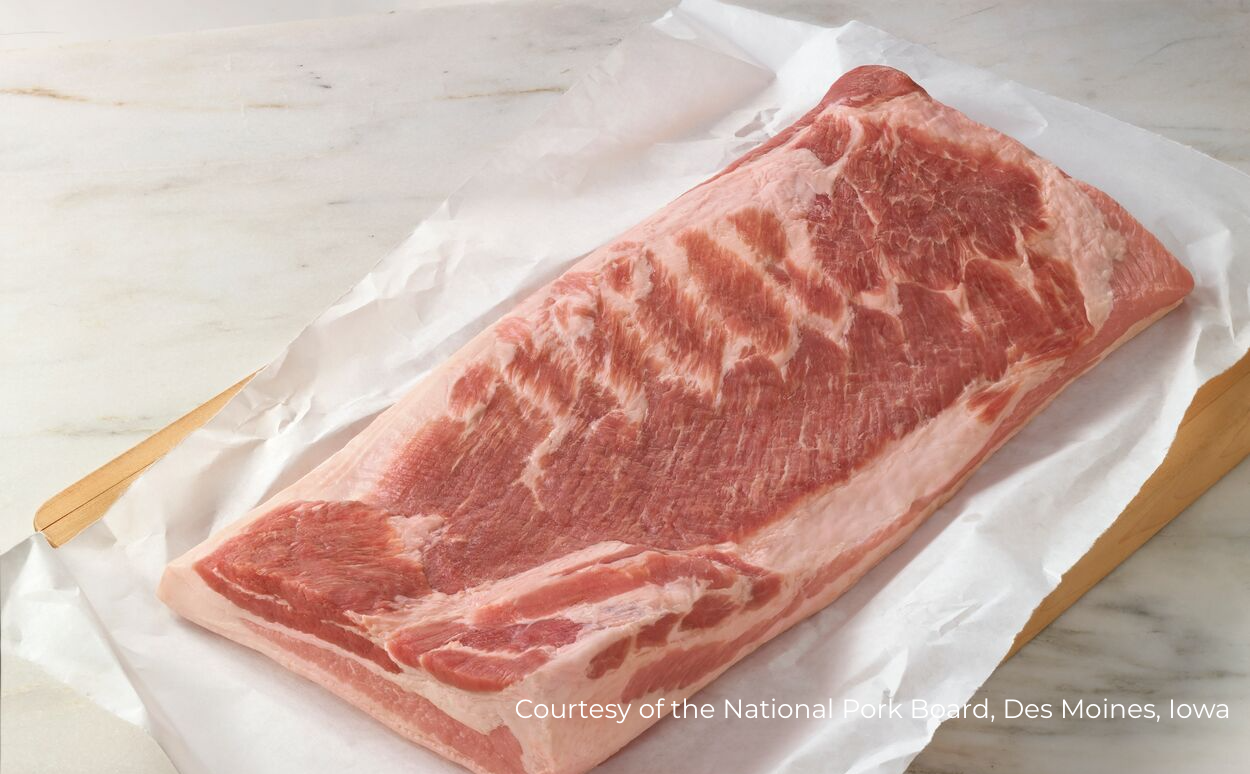
EU pig meat production is expected to increase slightly, by 0,5% year on year. Prospects for exports appear mixed: overall exports are expected to fall by 0,5%, as the sharp contraction in sales to China (-32%)It is only partly offset by strong growth to South Korea (+53%). Outbreaks of African swine fever (ASF) are also influencing trade dynamics and market confidence.
For beef, a year-on-year decline of 2,2% is estimated, reflecting ongoing adjustments to the livestock herd and structural pressures in the sector. Exports are expected to decrease by 2%, although the reopening of the Turkish market has provided some support, with shipments to Turkey increasing by 53%. Imports are forecast to grow by 5%, mainly due to an earlier arrival of supplies from Brazil.
The sector for sheep and goats remains under pressure, with production expected to contract by 4,4% year on year. Live animal exports are expected to fall by 3%, while meat exports could increase by 5%, supported by demand from Algeria and the United Kingdom. In Romania, restrictions related to health issues continue to weigh on the sector.
The poultry sector remains the most dynamic among meat categories. Production is forecast to grow by 3,3% year on year. Imports are expected to increase by 17,1%, driven mainly by larger flows from Brazil (+55%) and Ukraine (+23%). Exports are forecast to grow more modestly, by 1%. The sector continues to face health and trade uncertainties related to highly pathogenic avian influenza (HPAI) and the associated restrictions.
October 2026, European Commission / European Union. https://agriculture.ec.europa.eu