
After the Mid-Autumn Festival and National Day holidays, egg prices fell noticeably. Monitoring by the Ministry of Agriculture and Rural Affairs’ National Agricultural Products Wholesale Market Price Information System shows that,During the week of 10/16 to 22, the national egg price was 9.49 yuan per kilogram, down 3.4% month on month. According to data from Zhuochuang Information, on 10/28, the average egg price in the country’s main production regions was 4.07 yuan per jin.
↓
Looking at the trend over the course of the year, the egg market shifted from low prices and losses to a price rebound and improved profitability for producers.As pullets added to the flock earlier begin laying in concentrated numbers, the culling of older hens slows, and post-holiday demand enters its traditional off-season, market supply pressures are once again becoming apparent.
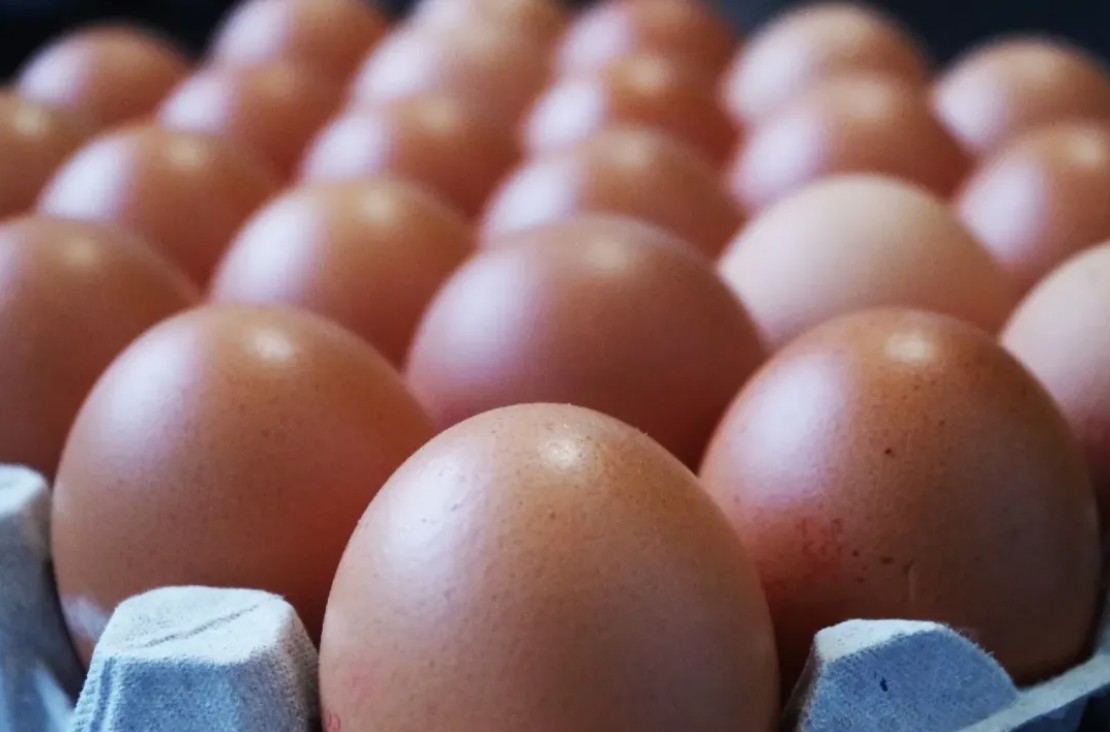
Behind price fluctuations, the laying hen farming cycle is undergoing new changes: poultry farming businesses must respond to supply and demand shifts caused by restocking and culling, while also managing the pace of operations when prices rebound. How to avoid blindly expanding capacity when the market is favorable and being forced to bear the pressure when it is unfavorable has become a shared challenge for businesses across the industry chain.
Egg prices fell 25% as demand declined and supply increased in Beijing.
As Beijing’s largest agricultural produce distribution hub, egg merchants at Xinfadi Market feel the impact most directly. Data from Xinfadi Market show that,On 10 month 21 day, the market price of eggs was 7.98 yuan per kilogram, down 25% over the month compared with 9 month 21 day.
On the one hand, consumer demand seasonally declined after the holiday.
On the other hand,Large numbers of newly laying hens in major production areas such as Hebei, Shandong, and Liaoning have entered their peak laying period, and supply continues to increase. This increase in supply, combined with a decrease in demand, has directly driven egg prices down.
Restocking remains cautious
Egg prices rose in the first half of the year, improving profitability for egg-layer farms to some extent and also driving a recovery in demand for chicks.
Hunan Xiangjia Animal Husbandry Co., Ltd.'s first-half performance report shows that its commercial egg business generated revenue of 1.66 billion yuan, up 19.48% year on year.
According to an announcement by Ningxia Xiaoming Agriculture and Animal Husbandry Co., Ltd., in 9 month, the company's average selling price for chicken products was 4.58 yuan per bird, continuing to edge up month over month and reaching a new high for the year. Revenue from chicken product sales for the month was 9645.35 ten thousand yuan, up 45.81% year over year. The company stated that egg-laying hen farming remained profitable, restocking enthusiasm remained high, and rising chicken product prices were an important reason for the year-over-year increase in sales revenue. In the third quarter, the company recorded operating revenue of 3.53 hundred million yuan, up 29.54% year over year, and net profit attributable to shareholders of the listed company of 4227.44 ten thousand yuan, turning from a loss to a profit year over year.
Huang Zuyao, Chairman of Sichuan Houquan Ecological Food Co., Ltd., said,The improvement in industry profitability is more of a temporary window and does not mean that all livestock farming companies have returned to a better operating condition.Some companies still need to address financial pressures resulting from earlier losses, while costs such as feed continue to affect profitability.
Tan Jianmin, general manager of Guantao County Fangchao Poultry and Egg Trading Co., Ltd., said,During the previous period of industry losses, some producers reduced restocking or culled laying hens early. As egg prices rebounded, producers became more willing to restock, and chick supplies also appeared tight. Some laying-hen producers’ chick orders are already scheduled through month 11.
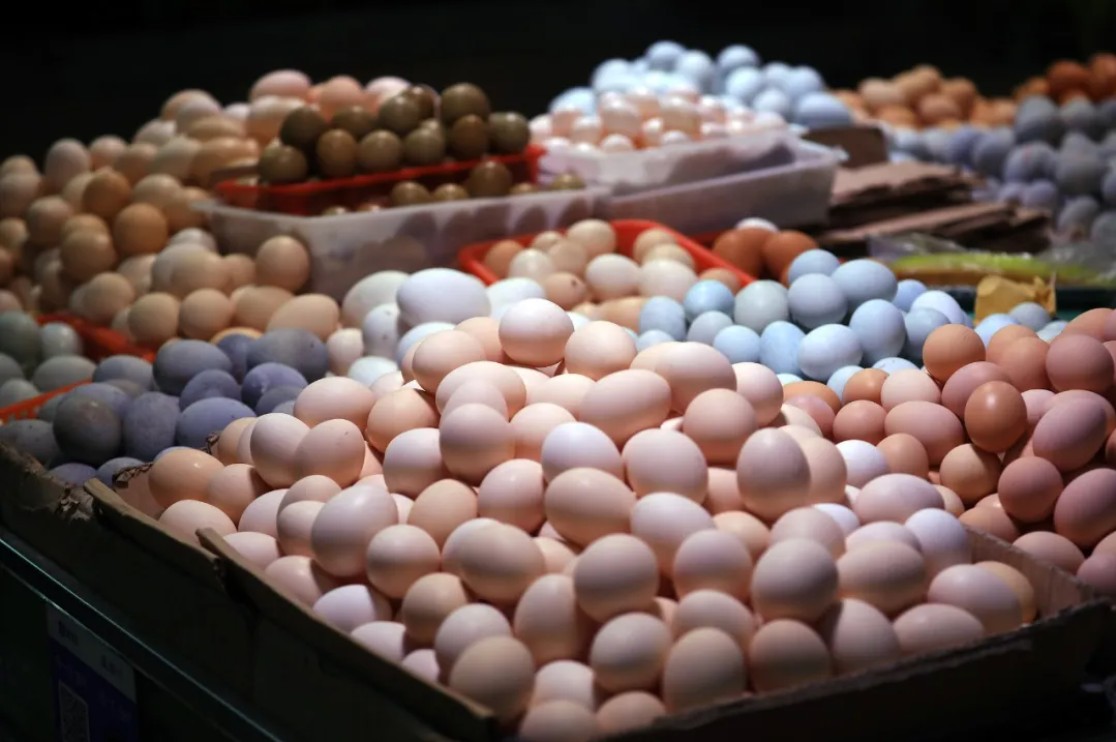
However, after the previous round of losses, farming businesses did not generally choose to expand aggressively. Tan Jianmin said that rising prices had indeed improved market expectations, but the experience of last year’s losses still made many farmers cautious. Decisions about replenishing flocks depend not only on current egg prices, but also on feed costs, chick prices, and market supply and demand when the new hens begin laying in the coming months.
Supply pressure emerges after the holiday
Changes in egg prices around the two holidays reflect a market supply-demand relationship shifting from temporarily tight toward gradually easing.
Shanghai Ganglian egg analyst Luo Fei said,Stockpiling ahead of the two festivals in 9 month pushed the average egg price in major producing areas to 5.36 yuan per jin. After the holidays, demand entered its traditional off-season, and the average price in major producing areas fell from 4.24 yuan per jin at the start of the month to 3.73 yuan on 10 month 19, a monthly decline of about 12%.On the supply side, chicks placed in the second quarter of 2026 entered their peak laying period successively in 10, after being raised for 4 to 5 months. Meanwhile, some farmers delayed culling older hens because earlier profits had been reasonably good. The start of production by new hens and the delayed culling of older hens together increased supply pressure.
Luo Fei believes that the decline in deferred futures contracts reflects market expectations about how long ample supply will persist, rather than merely tracking falling spot prices. Futures prices are currently at a discount to spot prices, already pricing in substantial expectations of ample supply. This may limit the scope for further sharp declines, but a sustained bottoming trend still requires confirmation from signs such as spot prices stabilizing and an increase in the number of older hens being culled.
Liang Chengqiang said that after egg prices rebound, farmers remain keen to replenish their flocks. If egg prices remain high for a period of time, this may continue to stimulate flock replenishment in autumn and next spring, thereby increasing future supply. He cautioned that farmers should not overlook the possibility of another round of overcapacity just because profitability has improved at present.
From an industry perspective, demand for eggs is relatively inelastic, but changes in catering, food processing, and end-user consumption can still affect sales at different stages. Huang Zuyao said that, in addition to cyclical factors, the egg market’s recent rally resulted from a combination of supply contraction, high summer temperatures affecting laying rates, and demand factors such as stocking up for Mid-Autumn Festival baking and the back-to-school season. The rally therefore had both temporary and structural characteristics. Companies should avoid interpreting short-term improvements in supply and demand as a sign of a prolonged boom.
Associate Researcher Zhu Ning of the Institute of Agricultural Economics, Chinese Academy of Agricultural Sciences, analyzed that egg consumption is entering its traditional off-season, with little support from holiday demand. Market supply and demand are temporarily loose, and egg prices are expected to remain weak in the period ahead.
Egg supplies are currently ample, so everyone can shop with confidence. Periodic fluctuations in egg prices are normal. Consumers benefit from lower prices, while the livestock farming industry relies on technology-enabled production to stabilize supply and reliably safeguard the public’s “food basket.”