
Poland's poultry industry remains wary of EU-Mercosur deal
Poland's poultry industry has warned that it is too early to assess the impact of the EU-Mercosur trade deal, despite a sharp year-on-year drop in Polish imports of Brazilian poultry during the agreement's first months. Rising shipments into the wider EU market could still intensify competition for the country's exporters.

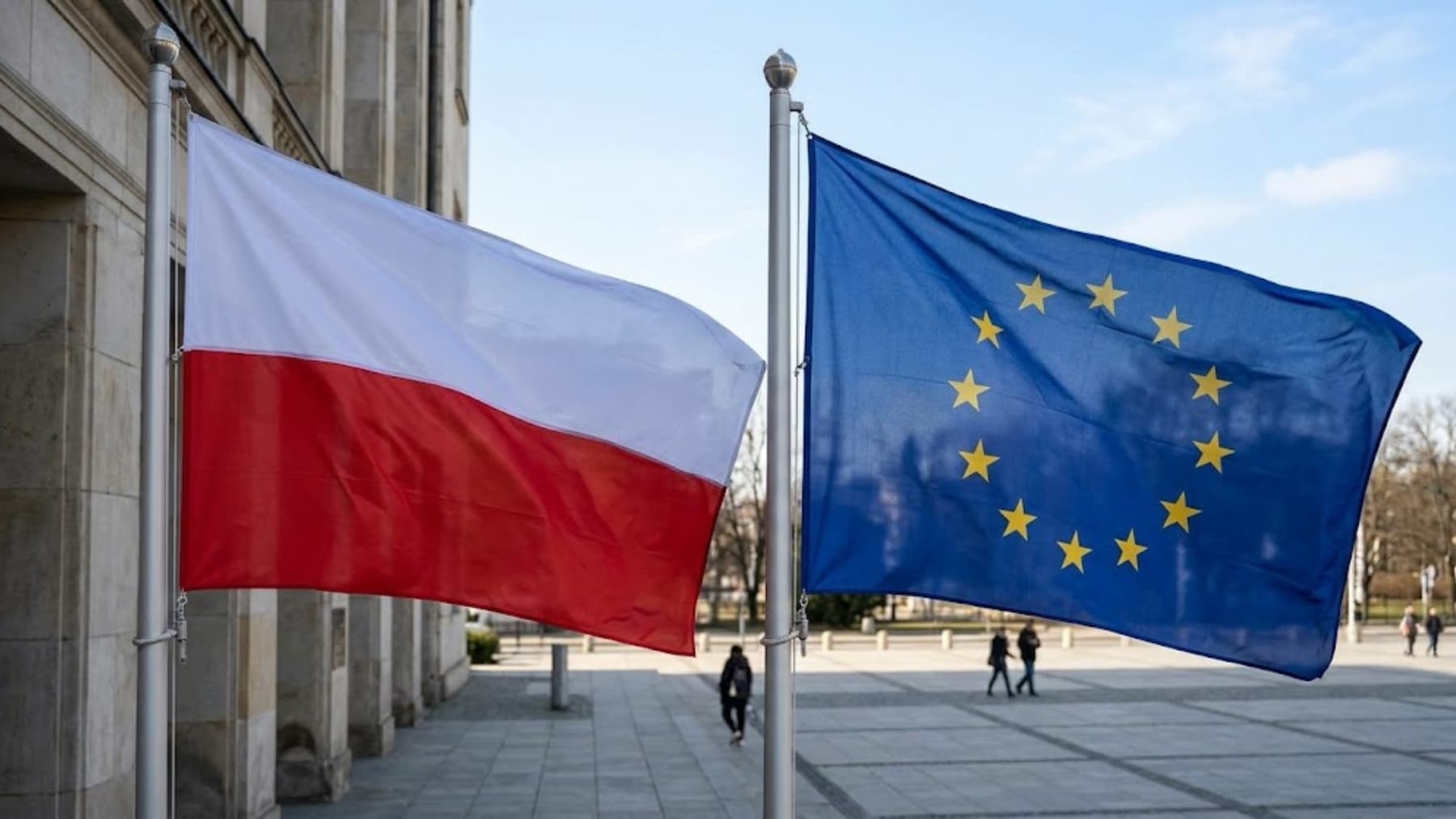
Poland saw its poultry imports fall by 83% during the first 4 months of the EU-Mercosur agreement, according to estimates by the Polish Ministry of Agriculture. The value of deliveries dropped from PLN 5.76 million in May-August 2025 to PLN 1 million in the same period this year. Import volumes also fell by 80%, from 304 tonnes to 62 tonnes.
The Ministry called for caution, urging against drawing early conclusions based on these figures. "Tariff-rate quotas for some products will be increased gradually in the coming years, meaning it is too early to determine the agreement's long-term impact on the Polish and wider European agricultural markets," the Ministry said.
ALSO READ: Poland warns of rising poultry costs from new EU welfare rules
Polish poultry farmers have repeatedly warned that the EU-Mercosur deal could open the EU market to cheaper Brazilian poultry, undermining Poland's position as the bloc's largest poultry exporter. Polish government officials have largely supported these concerns.
Poland's figures tell only part of the story
Poland's National Poultry Council Chamber of Commerce (KRD) echoed the Ministry of Agriculture's position, suggesting that the market should wait before drawing conclusions about the real impact of the EU-Mercosur deal.
"This data should be taken into account when assessing the situation, but it relates to a specific market, period and measurement method," KRD said in a statement on 16 October. "It does not, in itself, show how competition is evolving across the EU market or how increased supplies from Brazil to other member states are affecting Polish exporters."
KRD stressed that comparisons between imports into Poland and those into the EU as a whole must be treated with caution.
"The figures are not contradictory; they reflect different phenomena," KRD said.
Read the 3rd edition of Poultry World for 2026, which explores the latest developments in poultry production, from advances in in-ovo sexing and AI to nutrition, sustainability and water management. We also visit a growing broiler integrator in Colombia and look at how knowledge sharing and sound investment decisions can support the poultry sector’s future.
Brazilian poultry imports rise sharply across the EU
At EU level, the picture is quite different. KRD cited European Commission data showing that poultry imports from Brazil to the EU rose by 80.6% year on year in May-July 2026, from 57,076 to 103,073 tonnes. According to the Council, the increase reached 91.8% when measured in carcass-weight equivalent.
"This represents a significant change in the European poultry market," KRD said. However, KRD again pointed out that the figures do not explain the reasons for this growth or establish the long-term effects of the EU-Mercosur agreement.
Nevertheless, Polish poultry farmers believe the figures illustrate the scale of shifts in trade flows that should not be overlooked when assessing the competitiveness of EU producers.